
Let us know what you are noticing with your fireplace or flue, and our team will reply with pricing for Chimney Blockage Removal Maple Ridge
A smoky smell on a humid afternoon, scratching above the damper, a fire that refuses to draw: chimneys tend to announce trouble in small ways first. If one of those moments led you to search for “chimney blockage removal”, you are in a good place to start. This page walks through chimney blockage clearing for buildings around Maple Ridge, explaining what usually causes problems, what a visit involves and which simple checks you can make safely on your own.

Soot is dry carbon and creosote is a tar-based wood smoke residue, and telling them apart helps us work out what is going on with the appliance. Soot wipes off on a fingertip and falls easily under a brush. When we find heavy soot in a flue serving a gas furnace, boiler or fireplace, we take it as a sign the burner may need attention from a qualified gas technician. Creosote, by contrast, tells us how the wood fires have been run: flaky deposits suggest reasonably hot burning, while sticky or glassy layers point to cool, smoky fires or firewood that was not dry enough.
Very little creosote comes from gas, so sweeping is needed far less often than with wood, yet we still find plenty to deal with when we look up a gas chimney. Gas exhaust carries a lot of moisture, and in a cold masonry flue that moisture condenses, mixes with combustion byproducts and slowly eats at mortar joints and clay tiles. Crumbled material piles up at the base, sometimes with an old nest on top. Black soot around the opening of a gas appliance is another warning sign; it usually points to a burner problem for a qualified gas technician to sort out. A yearly check of the flue path, cap and connections is a common recommendation for that reason.
Yes, if those appliances vent into the same chimney. Many older homes route a gas furnace or water heater through a flue in the main chimney, and a blockage there can push their exhaust back into the basement instead of up and out. That is a carbon monoxide concern, so working CO alarms near those appliances and the bedrooms matter. If an alarm sounds, get everyone outside and call the fire department. When arranging “chimney blockage removal”, mention every appliance connected to the chimney so the technician checks each flue, and leave any adjustment of the appliances to a qualified gas technician.
Blockages come from animals, plants, creosote or the chimney itself crumbling, and from inside the room they nearly all look alike: weak draft and smoke where it should not be. Birds and squirrels pack in sticks and grass, and autumn winds drop leaves into uncapped flues. Glazed creosote can let go in sheets and jam at a bend or on the smoke shelf. In older masonry, tiles crack and slide, and loose mortar collects at the base. A stove may puff smoke each time its door opens. Working out which cause you have is the first job, because it decides how the flue is cleared and what repair follows.
On our visits the flue, smoke chamber, damper and firebox all get cleaned, working along the path of the smoke from the hearth up to the cap. We protect the floor and nearby furniture, seal the opening around our vacuum hose so dust stays contained, then work the flue with rods and a brush matched to the liner: stiff wire for clay tile, softer poly for stainless steel. The smoke chamber above the damper gets hand tools, because creosote clings to its sloped walls. Before and after, we look at the flue condition, often with a camera. At Chimney Sweep Maple Ridge, the visit ends with a short walkthrough of what came out, how heavy it was and anything we would keep an eye on.

Often it is, but not always. Leaves, loose debris and an empty nest can usually be removed in a single trip, with a sweep and camera check at the end. A blockage made of collapsed flue tiles or bricks is a sign of damage, so the debris comes out on the first visit and the repair is quoted separately. Thick, glazed creosote may need more than one session to break up safely. A company handling your “chimney blockage removal” request should tell you after the first look which of these situations you are dealing with and what the next steps are.
We tell most owners to plan on a yearly visit and let the findings set the sweeping schedule. If we pull out a heavy load after one season, the chimney should be checked sooner next time; if the flue is lightly coated, stretching the interval is reasonable. Fuel and habits matter more than the calendar. Dry hardwood burned hot leaves far less behind than damp wood or a stove turned down overnight, and inserts and stoves often need attention more often than open fireplaces. Keeping a note of each visit and what came out makes the right rhythm for your chimney easy to see.
Leave the fireplace or stove unused until the chimney is cleared, because even a partly blocked flue cannot carry away all the smoke and carbon monoxide a fire produces. Some smoke may still rise, which makes a partial blockage easy to underestimate. Close the damper and any glass doors, and if a furnace or water heater shares the chimney, mention it right away when you call. Keep CO alarms working on every level. If anyone in the household needs extra heat in the meantime, use a safe alternative rather than the blocked appliance.
Choose a chimney company that explains its process clearly, quotes based on your actual chimney and shows you what it finds. A good company asks about the appliance, the number of flues and the roof before giving a price, and tells you what the visit includes. On the day, the technician should protect the room, contain the soot and explain the condition of the flue, ideally with photos. Read recent reviews for comments on tidiness and honesty. Be cautious with a very low advertised price followed by pressure to approve large repairs on the spot, and get a second opinion before major work.

A few details help us plan the right visit:
Send us your details and we will reply with next steps for chimney blockage clearing in Maple Ridge.
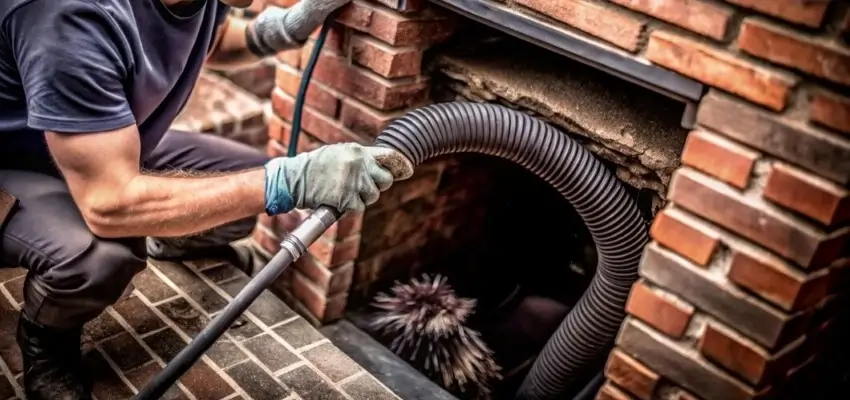
Maple Ridge homeowners: Chimney Cleaning with drop cloths down
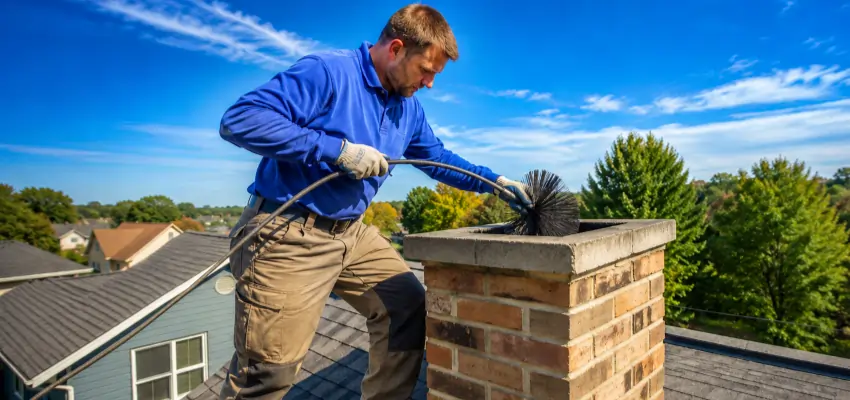
Flue brushed end to end: Chimney Sweep around Maple Ridge
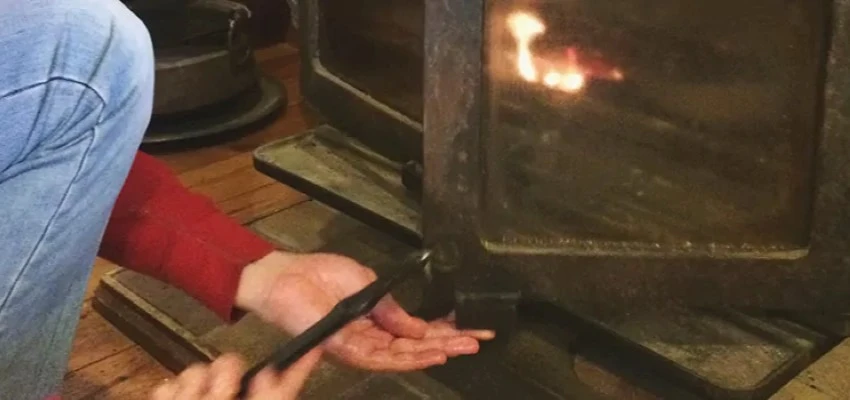
Smoky room or stuck damper? Chimney Sweep Services for Maple Ridge
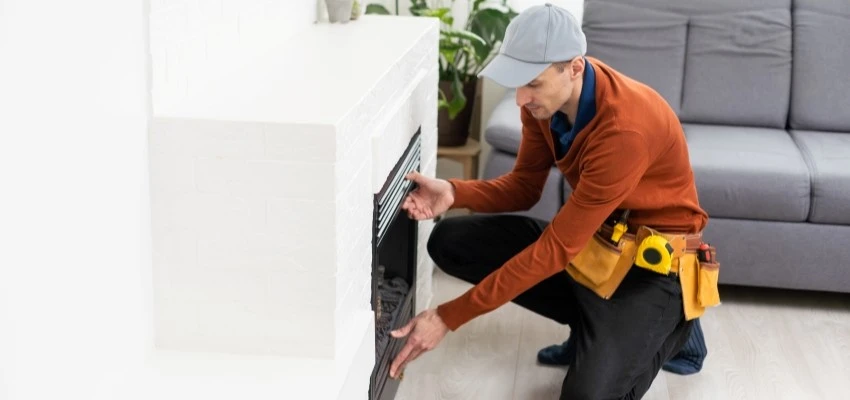
Calm, careful Fireplace Experts for Maple Ridge families
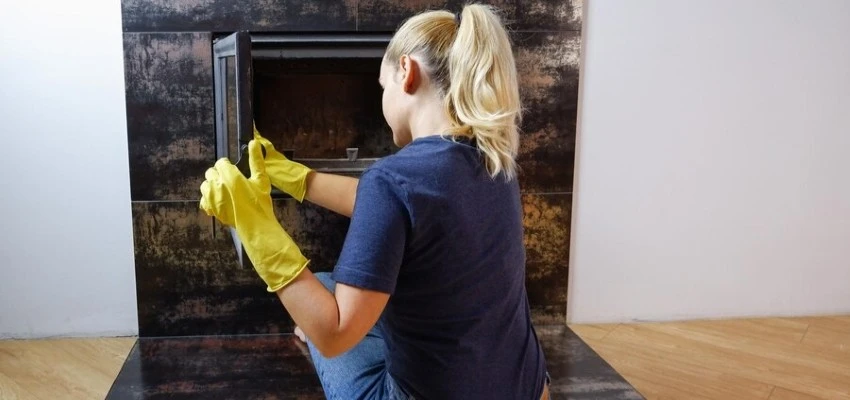
Glass film, cobwebs, dust: Gas Fireplace Cleaning across Maple Ridge
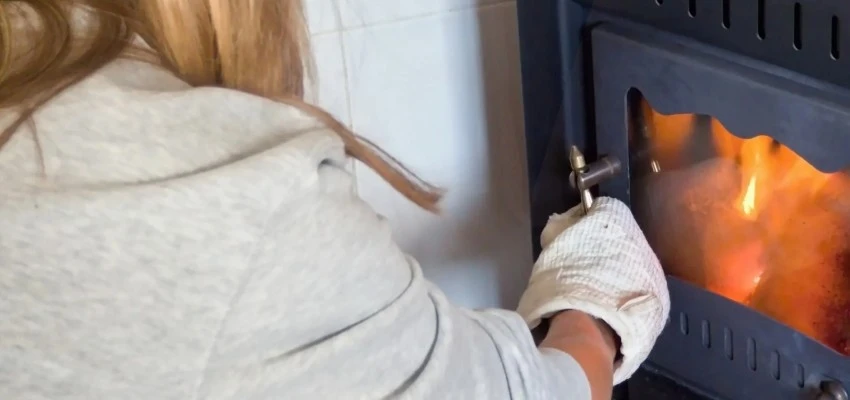
Gas Fireplace Maintenance: a checklist, not a quick wipe

