
Let us know what you are noticing with your fireplace or flue, and our team will reply with pricing for Chimney Cover Services Maple Ridge
Older brick chimneys and newer factory-built ones wear out in different ways, yet the questions owners ask about them are surprisingly alike. How bad is it? Can it be fixed instead of replaced? Is the fireplace safe to use in the meantime? This page answers those questions for people in Maple Ridge researching “chimney cover services”, with plain detail on chimney cover service and the factors that change the plan from one house to the next.

A chimney’s parts fall into three groups: the weatherproofing outside, the flue liner inside and the working parts at the bottom. Weatherproofing means the cap, the crown, the flashing and the face of the bricks and mortar. The liner is the channel that handles heat and corrosive exhaust. Down at hearth level are the pieces people actually touch, such as the damper handle, the firebox walls and the ash dump door. On a prefab system, a framed chase and its sheet metal top replace the brick. When we diagnose a problem, we trace it to one of these groups first, because that decides what the fix looks like.
Your chimney is most likely leaking at the crown, the flashing, the cap or through porous brick, though the stain rarely appears where the water gets in. Rain that slips past a cracked crown may travel down inside the masonry and show up at the firebox. Flashing leaks tend to stain the ceiling or the attic framing next to the chimney. An uncapped flue lets rain fall straight onto the damper, where it causes rust and a damp smell. Porous brick can wick moisture through the whole stack during long storms. We often test one area at a time with a hose, starting low and working up, so the repair targets the real entry point rather than a guess.
A well-fitted cover with intact mesh keeps most animals out, but it only works while it stays sound. Squirrels and raccoons test weak points, so a cover with a bent corner, a torn screen or a gap at the base can be pried open. Mesh openings need to be small enough to stop birds yet large enough not to clog with soot. Checking the cover once a year, ideally during a sweep, catches damage early. If animals are already inside, they need to be removed before the cover goes on. A thorough chimney cover service visit includes checking every side of the mesh, not just the top.
Not every repair needs the roof, and when one does, we plan safe access before we arrive. Work at the top of the stack means ladders, roof brackets or harnesses tied to a secure anchor, plus soft-soled footwear and pads to protect shingles. Steep or high roofs may call for extra equipment or a second technician. Wet, icy or very windy weather puts roof work on hold, because no repair is worth a fall. Jobs at the bottom of the chimney, such as an ash dump, a throat damper or a stove connection, keep us indoors, where the main concern is protecting floors and furniture from soot and dust.
A common guideline is to have a chimney inspected once a year, and many homeowners schedule it before the colder months when the fireplace sees more use. Yearly checks catch small problems such as a loosening cap, a new crack in the crown or a worn mortar joint before they let water in. It also makes sense to have the chimney looked at after a major storm, a chimney fire, a roof replacement or any change of insert, stove or appliance. Chimneys that are rarely used still need checking, because weather damages them whether or not you light fires.

Small chimney repairs, such as replacing a cap, sealing a crown or freeing a damper, often take a few hours. Mid-sized jobs like new flashing, a new chase cover or a fan installation usually fit into a day. Larger masonry work, including repointing an entire stack or rebuilding the section above the roof, can take several days, because mortar and concrete need time to set between stages. Weather adds to the schedule for anything done outside, since rain and cold delay masonry. Ask for an estimate of both working time and total calendar time before the job is booked.
Usually, yes. A cover fastened to a crumbling or badly cracked crown may not stay secure, and sealing the crown is easier before the cover is in the way. Minor hairline cracks can often be sealed the same visit, just before installation. A crown that is broken through may need rebuilding first, with the cover fitted once the new surface has cured. Ask the company to check the crown during the quote visit so both jobs can be planned together. People researching “chimney cover services” are often surprised that the crown matters as much as the cover, but the two work as one unit.
Mention what the chimney is made of, what it serves and what you have noticed, because a few details on the phone save a lot of time on the roof. We ask which appliances use the flue, how many stories the house has and how steep the roof is. We ask what you have seen: a stain, debris in the firebox, a stuck handle, a rattling cap, smoke in the room. We ask when it started and whether a roofer or another contractor worked nearby recently. Two quick phone snapshots, one of the chimney top from the yard and one of the problem area inside, often tell us which parts and ladders to bring on the first trip.
A few direct questions reveal a lot about a chimney repair contractor:
Clear, specific answers are a good sign. If the replies stay vague or the price changes without explanation, it is reasonable to get another opinion before agreeing to the work.

Whether you want to book now or just gather information first, we are glad to help. Ask your questions about chimney cover service, your chimney or the timing that suits you. Contact Chimney Sweep Maple Ridge for homes across Maple Ridge.
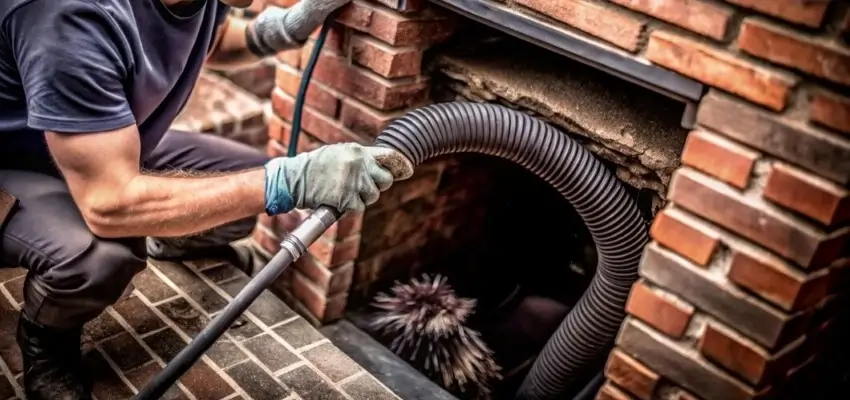
Maple Ridge homeowners: Chimney Cleaning with drop cloths down

Flue brushed end to end: Chimney Sweep around Maple Ridge
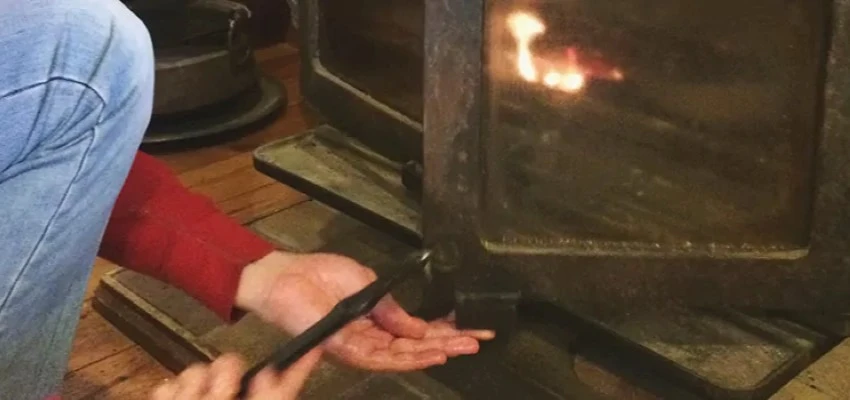
Smoky room or stuck damper? Chimney Sweep Services for Maple Ridge
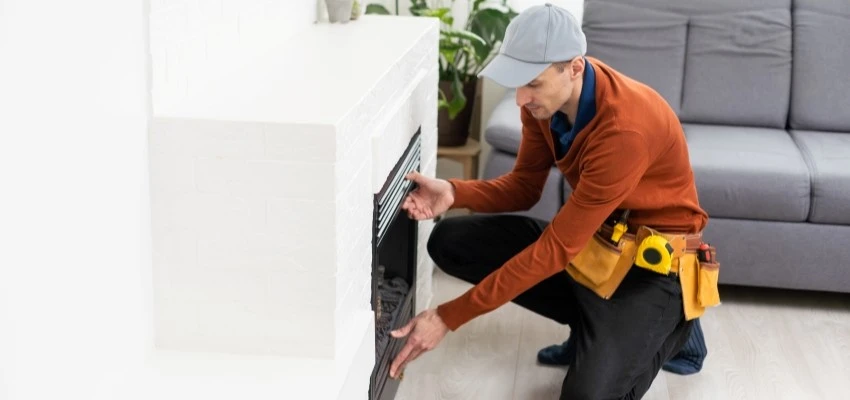
Calm, careful Fireplace Experts for Maple Ridge families
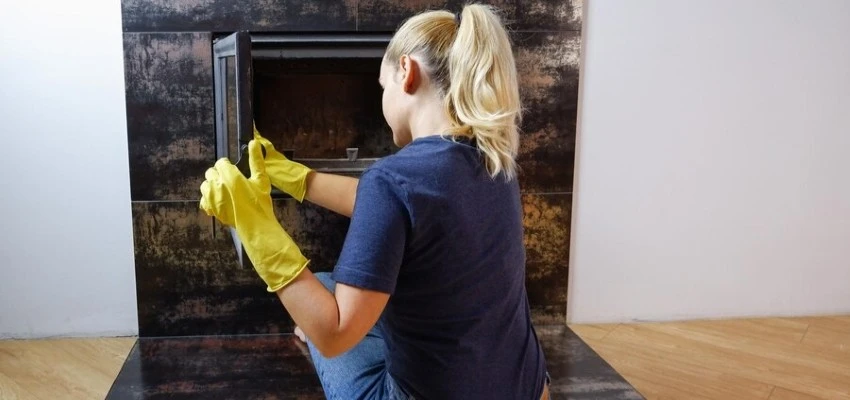
Glass film, cobwebs, dust: Gas Fireplace Cleaning across Maple Ridge
Gas Fireplace Maintenance: a checklist, not a quick wipe

