
Let us know what you are noticing with your fireplace or flue, and our team will reply with pricing for Chimney Damper Services Maple Ridge
A chimney stands out in the open all year, taking rain, wind, sun and, in many places, hard freezes with no shelter at all. Sooner or later something on it needs attention, whether that is a loose cap, a tired mortar joint or a part inside the flue. If you searched for “chimney damper services”, this page gathers the questions homeowners in Maple Ridge ask most often about chimney damper repair, answered plainly so you can judge what your own chimney needs and what can wait.

It depends on the damage, so the safe default is to hold off until someone has looked at it. Cosmetic problems on the outside, such as a stained brick face, rarely affect how a fireplace works. Damage inside the flue, a cracked liner, a damper stuck shut or a blocked vent is different, because smoke and hot gases may not leave the house the way they should. If you notice smoke spilling into the room, a strong smell or soot where there was none before, stop using the fireplace. Keep working carbon monoxide alarms on every level of the home either way.
A masonry chimney has more parts than most people realize, and each one can need repair on its own. From the top down, you will usually find:
Inside the house sit the damper, the smoke chamber, the firebox and sometimes an ash dump. Factory-built chimneys swap the brick for a metal flue inside a framed chase with a metal cover on top.
A closed damper that still lets in cold air is usually not sealing. Old throat dampers are metal plates resting on a metal frame, and once they warp or rust, gaps open around the edges. A damper that is not fully closed, because of creosote buildup or a bent handle, does the same. Cold air sinking down a chimney on an outside wall can also chill the firebox even when the damper is tight. If you searched for “chimney damper services” because of a drafty fireplace, a technician can check the seal with a light, adjust or repair the plate or suggest a top-sealing damper.
A stuck damper is usually rusted, warped or glued in place by creosote, and a light up the flue shows which. Heavy rust tells us water has been getting in from above, usually through a missing cap. A plate sitting crooked in its frame points to heat warping or a broken pivot. Creosote glazing around the edges can lock a damper in position. Sometimes the problem is simply a broken handle or a frayed cable on a top-sealing model. Depending on the cause, we free and adjust it, replace the worn parts or fit a new damper, and we look for the water source at the same time.
Yes, top-sealing dampers are commonly retrofitted on masonry chimneys. The unit mounts on top of the flue tile, often with a cap built in, and a stainless cable runs down to a handle fastened inside the firebox. The old throat damper is usually left open or removed if it is broken. The flue tile must be in good condition and the right size for the damper to seal well. Fireplaces with gas logs need special care, since the damper may have to stay partly open by design. When you compare quotes for “chimney damper services”, ask how the cable will be routed and secured.

Anything from a morning to several days, depending on the part, the access and the material. A damper repair or cap swap rarely keeps us past lunch. Flashing and chase covers depend on the roof, so a steep pitch or fragile shingles add hours. Masonry is the slow one, not because the work itself drags but because mortar and crown concrete need dry, mild weather and time to firm up between steps. A full rebuild above the roofline can stretch over several visits. When we quote, we give you a working estimate and tell you plainly what could push it longer, such as hidden damage.
Preparing for chimney repair mostly means clearing access inside and out. Stop using the fireplace or stove at least a day before so the firebox and flue are cool, and move decorations, screens, tools and furniture away from the hearth. Outside, move vehicles, patio furniture, planters and grills away from the side of the house where ladders will go, and unlock any gates. Let the company know about pets, an alarm system or anything fragile near the chimney. If the job involves the attic or basement, such as tracing a leak or emptying an ash pit, clear a path there too.
Compare the scope first, because most differences we see between quotes come from what is included, not from skill. One company may plan to coat a cracked crown; another may rebuild it. One includes new flashing; another reseals the old metal. Before choosing, line the quotes up and ask each company the same three questions: what exactly is being fixed, what is causing the problem and what is the plan if more damage turns up. The answers usually explain the price gap. A quote that deals with the cause, not just the symptom, generally gives more value over time, even when it is not the lowest figure on the table.
A few direct questions reveal a lot about a chimney repair contractor:
Clear, specific answers are a good sign. If the replies stay vague or the price changes without explanation, it is reasonable to get another opinion before agreeing to the work.

You can contact us just to ask whether a visit makes sense. If the answer is no, we will say so. If it is yes, we will explain why. Reach Chimney Sweep Maple Ridge at (778) 910-7487 for an honest opinion about your chimney.
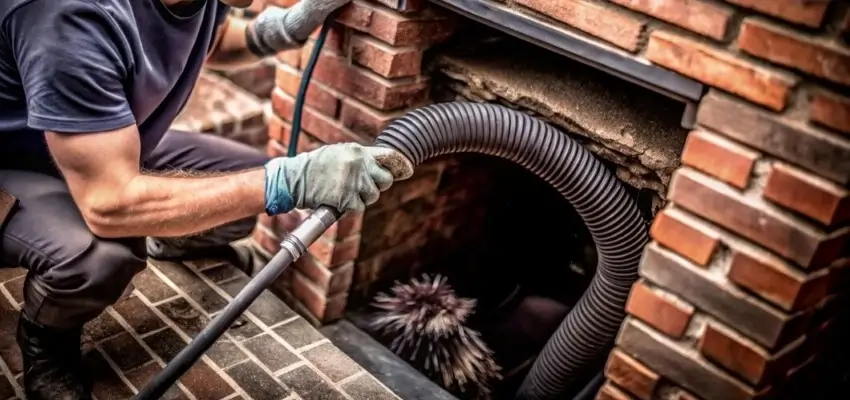
Maple Ridge homeowners: Chimney Cleaning with drop cloths down
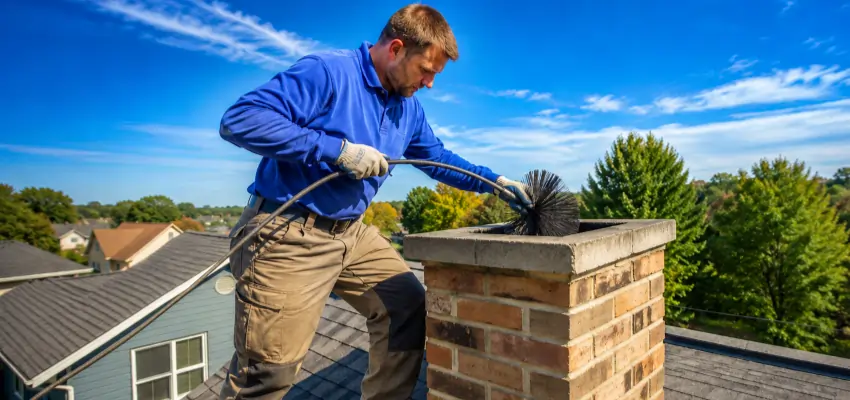
Flue brushed end to end: Chimney Sweep around Maple Ridge
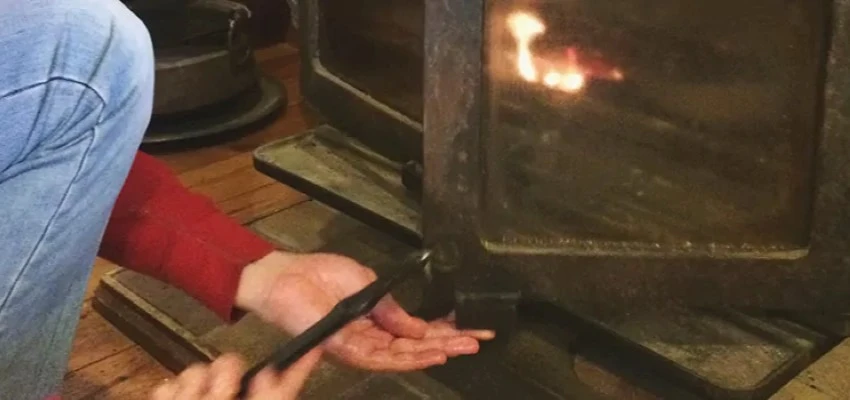
Smoky room or stuck damper? Chimney Sweep Services for Maple Ridge
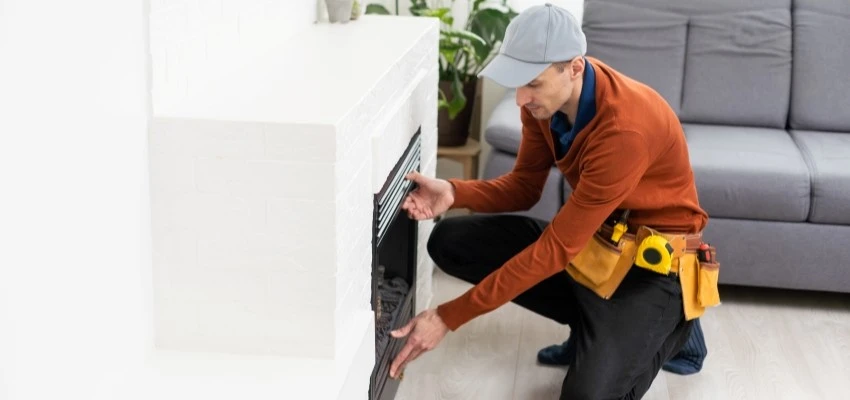
Calm, careful Fireplace Experts for Maple Ridge families
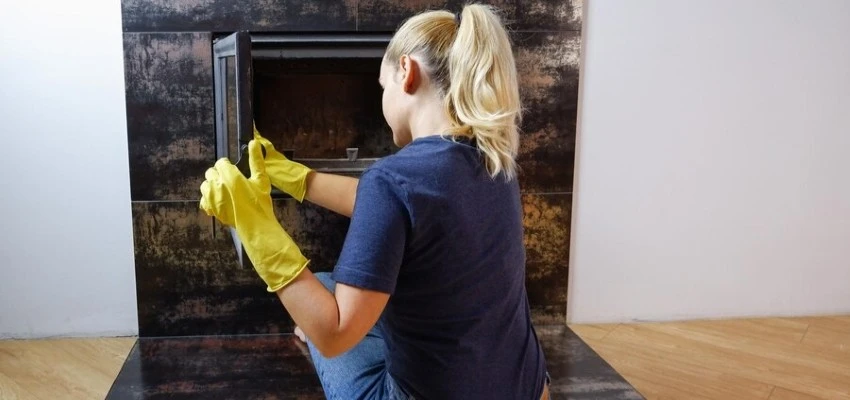
Glass film, cobwebs, dust: Gas Fireplace Cleaning across Maple Ridge
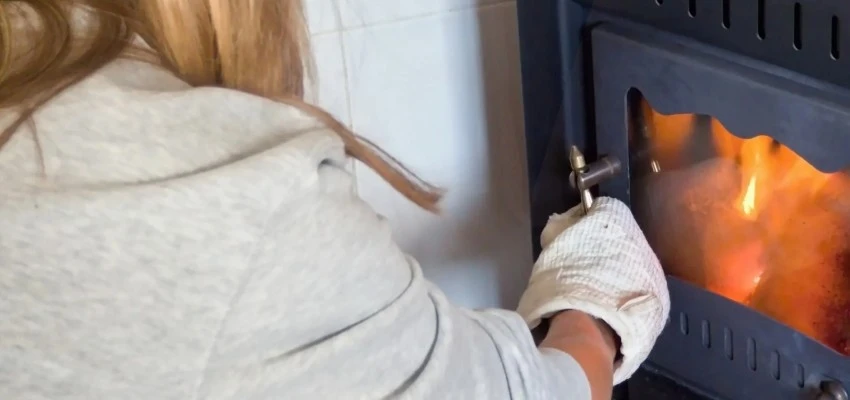
Gas Fireplace Maintenance: a checklist, not a quick wipe

