
Let us know what you are noticing with your fireplace or flue, and our team will reply with pricing for Chimney Flue Services Maple Ridge
A chimney has to cope with two hard jobs at once: weather on the outside, and heat and exhaust on the inside. Most specialty chimney work comes down to helping it do one or both of those jobs better. For anyone in Maple Ridge researching “chimney flue services”, this page walks through chimney flue service step by step, from the first signs that something is needed to the care that keeps the result in good shape.

As a rule, no. A fireplace or wood stove should have a flue of its own, because connecting a second appliance can upset the draft of both and let exhaust spill into the house. Some homes have a furnace and water heater joined into one flue through a purpose-designed connector, which is a separate case that a qualified technician should confirm. If you are unsure what is connected to each flue in your chimney, a chimney flue service visit can map it from the roof and the basement. Never add a new appliance to an existing flue without having it checked first.
A chimney works by letting hot exhaust rise through a sealed channel, the flue, and leave the house above the roofline. Warm gases are lighter than the cooler air outside, so they rise, and that rising column pulls fresh air into the fire behind it. This pull is called draft. Height helps, because a taller flue creates a stronger pull and clears nearby roof surfaces. Size matters too: a flue that is too large for the appliance cools the gases and weakens draft, while one that is too small cannot carry all the exhaust. Anything that blocks or leaks along the path disrupts the balance.
The clearest signs are water, debris and smoke where they do not belong. Watch for damp stains near the chimney, flakes of tile or brick in the firebox, rust on the damper or cap, a fireplace that smokes into the room and loose or leaning pieces at the top of the chimney. Outside, white staining on brick, gaps in mortar and plants or moss growing on top are worth noting. Any smell of smoke in rooms next to the chimney, or a carbon monoxide alarm, means stop using the appliance and have it checked before it is lit again.
Our days follow a pattern: walk-through, setup, work, check, clean-up. The walk-through is a quick conversation to confirm what we are doing and flag anything new. Setup means floor protection, ladder placement and any roof anchors. The work itself varies with the job, from fitting a pot to lowering a liner or applying a repellent. The check is where we test what we built, whether by running a smoke test, watching water bead or confirming a part is secure. Clean-up leaves the hearth and yard the way we found them, and then we show you photos from the roof.
A camera inspection shows the inside of the flue from top to bottom, which is the only way to see most flue damage. The technician feeds a small camera on a flexible rod up or down the flue and watches the image on a screen, often recording it. The footage reveals cracked or missing tiles, gaps at the joints, creosote buildup, blockages such as nests and the condition of any metal liner. Many companies share the video or still images with you. If you are comparing offers for “chimney flue services”, ask whether a camera check is included before any repair is quoted.

Yes for some jobs and no for others, so we check the forecast before almost every one. Rain and frost are the big two: wet brick will not take a repellent, freezing nights spoil fresh mortar and icy shingles make roof work unsafe. Extreme heat can be a problem too, drying mortar too fast. That is why spring and fall are our busiest seasons for masonry and waterproofing. Liners and pots are more flexible and can often be fitted in cooler months on a dry day. If a weather window closes, we move the date, because a rushed job in poor conditions rarely holds up.
A common guideline is a professional check once a year, often before the season when the fireplace or stove is used most. Chimneys that serve wood-burning appliances, have had recent work or face harsh weather benefit most from that yearly rhythm. Extra checks make sense after a storm, a chimney fire, a roof replacement or any change to the fireplace or appliance. Even a chimney that is rarely used should be looked at, because weather, animals and settling affect it whether or not you light fires.
Tell the company what the chimney is made of, what it serves and what you want done or have noticed. Mention the type of fireplace or appliance, how many stories the house has, how steep the roof is and whether the chimney is brick, stone or a framed chase. Share any history: past repairs, a chimney fire, recent roof work or a new appliance. A few photos of the chimney from the yard and of the fireplace help a lot. These details let the company bring the right parts and give you a realistic estimate.
A complete quote names the materials, sizes and steps, and when homeowners show us other offers, the gaps are usually in scope rather than price. One lists a stainless liner with insulation; another says just “liner.” One includes a new crown under the pot; another assumes the old one is fine. Check that each quote says who handles permits if any are needed and explains the plan for surprises. Then ask every company the same three questions: what is included, what is excluded and what could change the price. The answers reveal which offer really fits your chimney.

Once you know the work is due, the next step is simple. Tell us a little about your chimney and the days that suit you, and we will suggest a time that works. Request a quote and the Chimney Sweep Maple Ridge team will follow up with details.
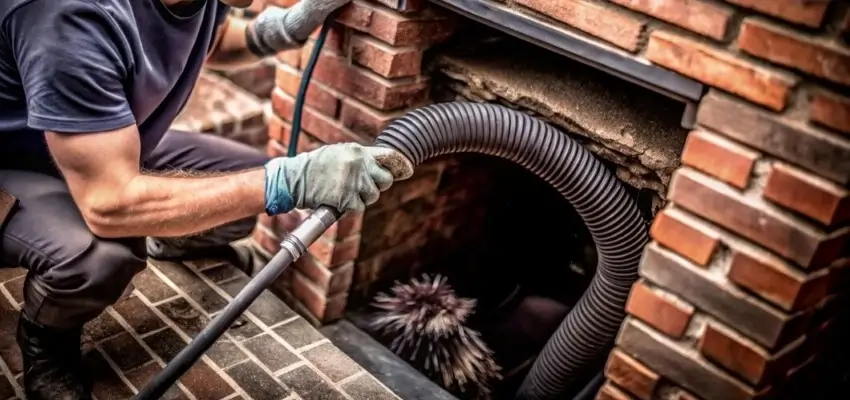
Maple Ridge homeowners: Chimney Cleaning with drop cloths down
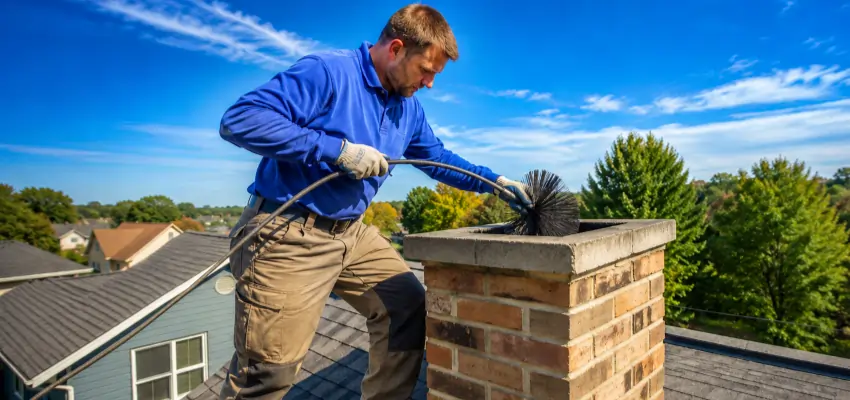
Flue brushed end to end: Chimney Sweep around Maple Ridge
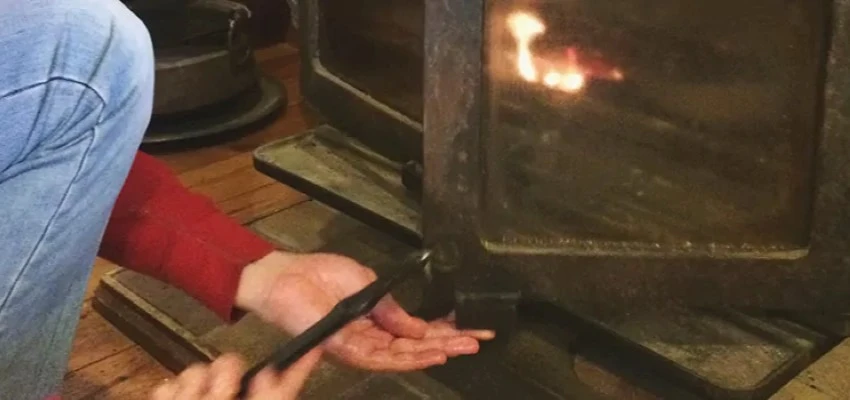
Smoky room or stuck damper? Chimney Sweep Services for Maple Ridge
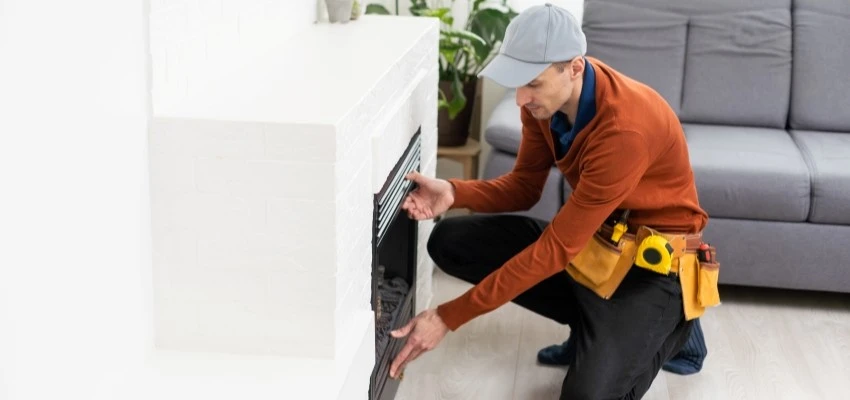
Calm, careful Fireplace Experts for Maple Ridge families
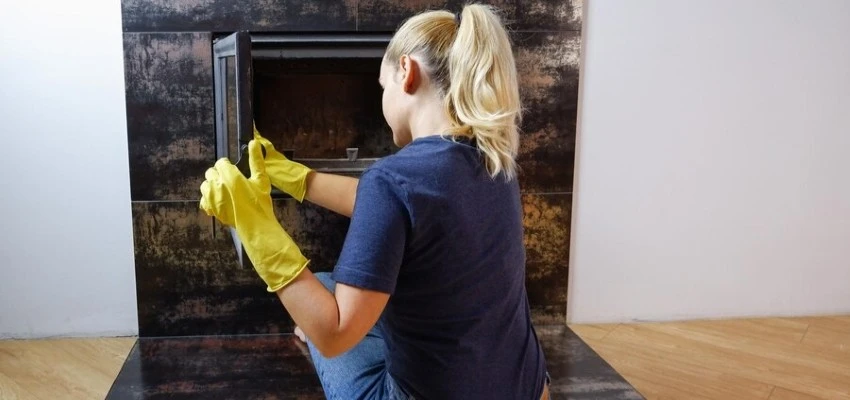
Glass film, cobwebs, dust: Gas Fireplace Cleaning across Maple Ridge
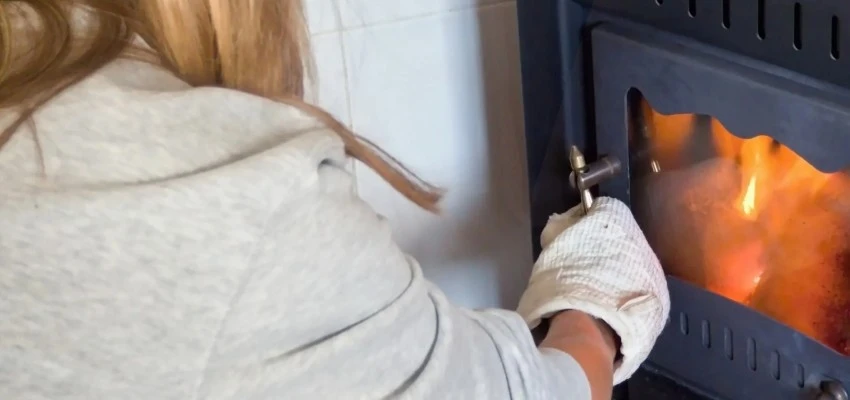
Gas Fireplace Maintenance: a checklist, not a quick wipe

