
Let us know what you are noticing with your fireplace or flue, and our team will reply with pricing for Chimney Inspection Services Maple Ridge
Maybe you just took over a property with a fireplace nobody explained to you. Maybe you have run the same stove for many winters and never thought much about the flue above it. Either way, looking up “chimney inspection services” means you are already asking the right questions. This page gathers what people in Maple Ridge usually want to know about chimney inspection, explained the way a technician would at your hearth.

A chimney needs sweeping because every fire leaves deposits inside the flue, and if they are never removed they turn into a fire hazard and an obstruction. The main culprit is creosote, a tarry residue from wood smoke that burns hot and fast once it ignites. Buildup also narrows the passage, so smoke drifts back into the room and fires get harder to start. A swept flue drafts better, smells less and gives whoever cleans it a clear view of the liner, damper and cap, which is often how cracks, rust and loose parts are caught while they are still small.
Creosote is condensed wood smoke, and its flammability is the main reason chimney sweeping exists. Smoke carries unburned particles and vapor, and when it meets a cooler surface those compounds stick. We find the heaviest deposits where gases slow down or lose heat quickly: the smoke chamber just above the damper, the bends in a stovepipe and the upper section of chimneys built on an exterior wall. That residue is fuel sitting inside a passage built to carry fire, so a spark or an overloaded firebox can ignite it. That is why we gauge its thickness on every visit and explain what it means for you.
A dedicated chimney check is worth arranging before you buy, because a general home inspection usually covers only what can be seen from the hearth and the roofline. The inside of the flue, where cracks and gaps hide, often goes unexamined. Ask the seller when the chimney was last swept and whether there were any repairs or past fires. A chimney technician can run a camera through the flue and give you a written summary before your inspection period ends. Finding a damaged liner or crown early gives you room to negotiate or plan a repair instead of discovering it after the first fire.
Smoke spills in when the draft is weaker than the push of the fire, and we usually trace it to one of a few causes. In tight, well-sealed houses, exhaust fans and dryers create enough suction that the chimney becomes an air intake instead of an exhaust. Short chimneys, nearby trees or a taller roofline beside the stack can disturb the airflow at the top. Inside the flue, heavy creosote, a nest or fallen debris narrows the path. Sometimes the fireplace opening is simply too large for the flue. Finding which one applies takes a look from both ends, and the fix ranges from a habit change to a repair.
During a chimney sweep, the technician scrubs the inside of the flue from top to bottom and removes the loosened buildup without spreading it through the room. A typical visit starts with drop cloths around the hearth and a powerful vacuum set up at the fireplace or stove opening. Brushes sized to the flue are run through on flexible rods, from below, from the roof or both. The smoke chamber, damper and firebox are cleaned as well. Most sweeps finish by checking the cap and the visible parts of the chimney and telling you what they saw, including anything that needs attention later.

Chimney inspections are commonly described in three levels, from a basic visual check to a full investigation, and the right one depends on whether anything about the chimney has changed. The first is a visual check of the accessible parts: the firebox, damper, the flue as far as it can be seen, the exterior and the cap. It suits a chimney used the same way every year with no known issues. The second adds a camera run through the whole flue and a look at attic or crawlspace areas next to the chimney, and is often suggested after a property sale, a chimney fire, storm damage or a change of appliance or fuel. The third, for serious hidden problems, involves opening parts of the structure.
The depth of the inspection is the biggest factor. A visual check of a single, easy-to-reach flue is relatively quick, while a camera scan of several flues, plus a look at attic and crawlspace areas, takes longer and usually costs more. Roof height and pitch, the number of appliances, whether an insert must be pulled for access and whether you need a formal written report all play a part. Before booking “chimney inspection services”, explain why you want the inspection, such as a home purchase, a new stove or a smell, so the company can match the visit to the purpose.
A chimney quote is mostly time, access and materials, in that order. A single-story house with a gentle roof pitch and one lightly coated flue is quick. A three-story chimney, a slate or tile roof that needs extra care, or a cluster of flues on an apartment building calls for more equipment and more hands. Condition matters too: a flue we can brush in one pass costs less than one that needs rotary tools or several trips. Parts such as caps, dampers or liner sections are separate from labor. We would rather explain those factors up front than surprise anyone later.
Preparation is similar to a sweep, with a few extras. Let the fireplace or stove cool completely, clear space in front of the hearth and make sure the roof can be reached. For a deeper inspection, the technician may also need to see the attic, crawlspace or basement areas next to the chimney, so clear a path to those hatches and doors and move stored boxes away. Have any paperwork about past repairs, liner installation or a previous chimney fire on hand. Telling the company these details when you book chimney inspection helps them plan the time needed.

That is a common place to start. A short conversation usually sorts out what kind of visit makes sense, from a focused check to a full service. Reach Chimney Sweep Maple Ridge at (778) 910-7487 and we will give you a straight answer for your home in Maple Ridge.
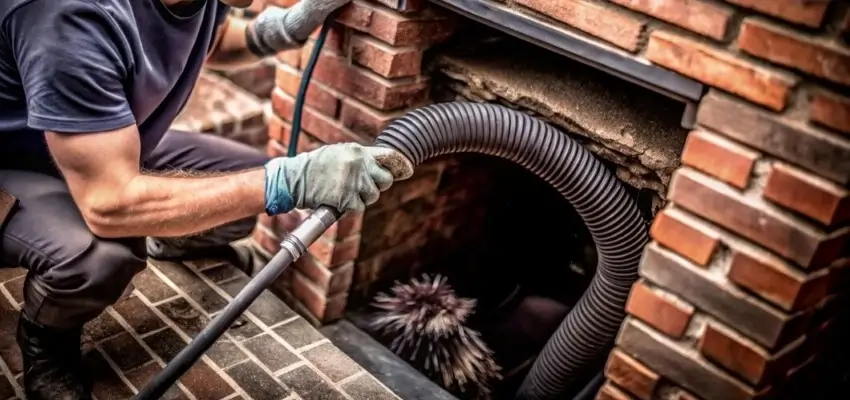
Maple Ridge homeowners: Chimney Cleaning with drop cloths down
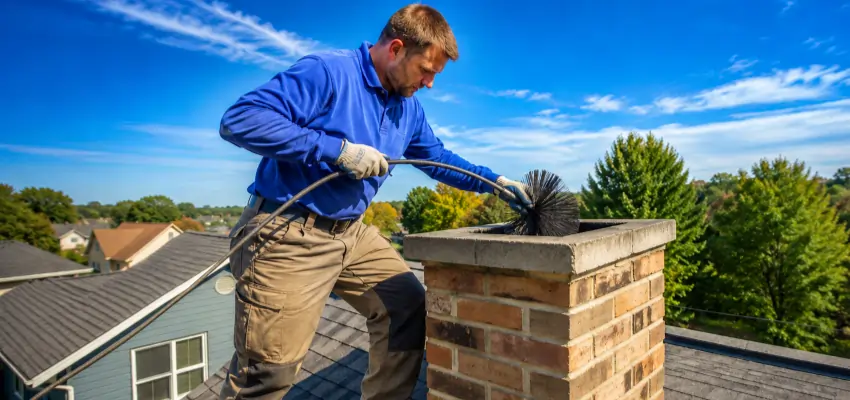
Flue brushed end to end: Chimney Sweep around Maple Ridge
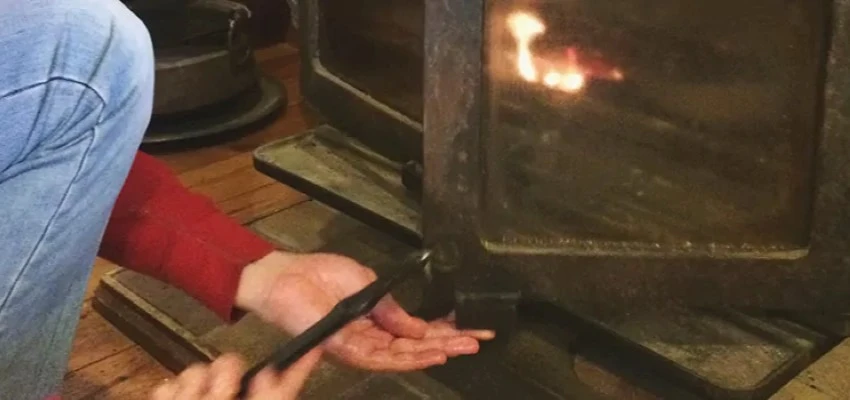
Smoky room or stuck damper? Chimney Sweep Services for Maple Ridge
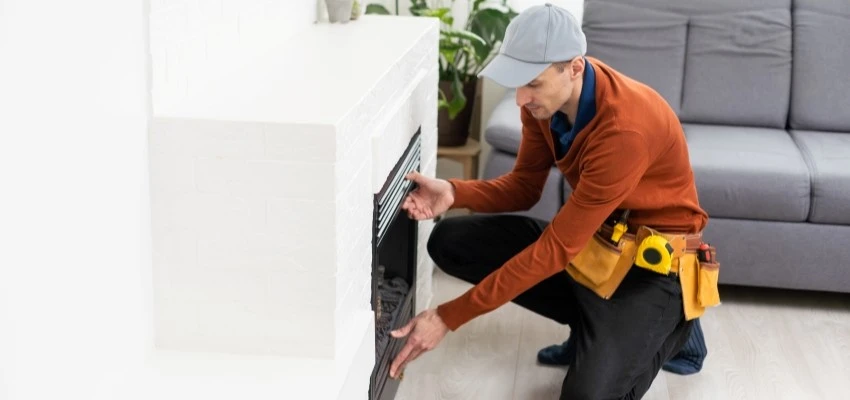
Calm, careful Fireplace Experts for Maple Ridge families
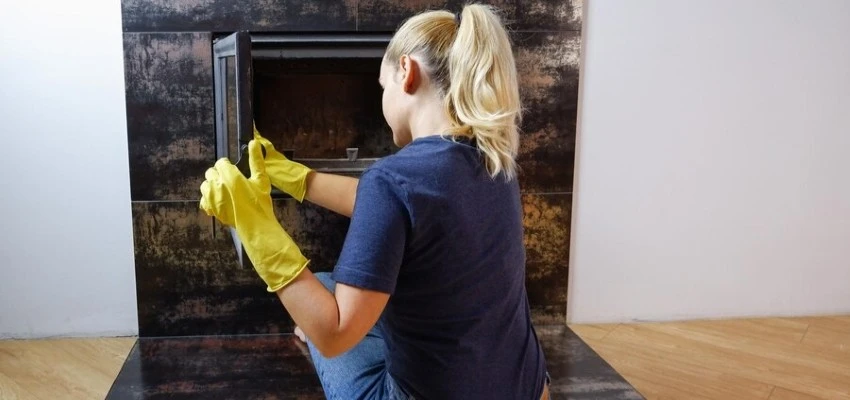
Glass film, cobwebs, dust: Gas Fireplace Cleaning across Maple Ridge
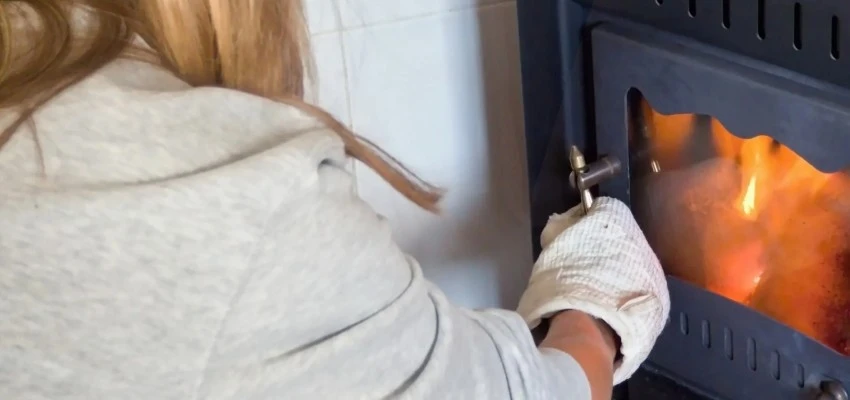
Gas Fireplace Maintenance: a checklist, not a quick wipe

