
Let us know what you are noticing with your fireplace or flue, and our team will reply with pricing for Chimney Liner Services Maple Ridge
Chimney problems are hard to judge from the ground, and climbing up for a closer look is not something we recommend. A clear explanation is the safer first step. This page covers what people in Maple Ridge usually want to know after a search for “chimney liner services”: what tends to go wrong, what a repair visit involves, what affects the price and how to tell a careful company from a hasty one. It is written to help you understand chimney liner service, not to push you into it.

A chimney needs a liner because the liner, not the brick, is the pipe the smoke is meant to travel through. The masonry around it is structure. When we run a camera up a flue, we are studying the liner for cracks, gaps between tiles, missing mortar at the joints and flaking from heat or moisture. Any of those lets heat reach the masonry and, over time, the framing beside it. Liners also have to suit the appliance. A fireplace, a wood stove and a gas furnace each need a different flue size, so changing an appliance often means changing the liner as well.
A masonry chimney has more parts than most people realize, and each one can need repair on its own. From the top down, you will usually find:
Inside the house sit the damper, the smoke chamber, the firebox and sometimes an ash dump. Factory-built chimneys swap the brick for a metal flue inside a framed chase with a metal cover on top.
Often it does. Every appliance needs a flue of the right size and material, and the old liner was sized for whatever used it before. A wood stove insert placed in a fireplace usually needs a stainless liner running from the insert to the top of the chimney. A gas furnace or water heater may need a smaller liner suited to its cooler, wetter exhaust. Skipping this step can cause poor draft, condensation damage or exhaust spilling indoors. When you plan an appliance change and look into “chimney liner services”, share the appliance details so the liner can be matched before installation day.
Tile shards in the firebox, a smoky odor in the next room and draft that suddenly turns weak are the usual signs, but only a camera run up the flue shows the liner’s real condition. On that video we look for vertical cracks in clay tiles, gaps at the joints where mortar has fallen out, tiles that have shifted out of line and surfaces flaking from heat or acidic condensation. Stainless liners can corrode or separate at a connection. Settling of the chimney and old, unnoticed flue fires are common causes. Any of these clues deserves a proper look before the flue is used again.
Not every repair needs the roof, and when one does, we plan safe access before we arrive. Work at the top of the stack means ladders, roof brackets or harnesses tied to a secure anchor, plus soft-soled footwear and pads to protect shingles. Steep or high roofs may call for extra equipment or a second technician. Wet, icy or very windy weather puts roof work on hold, because no repair is worth a fall. Jobs at the bottom of the chimney, such as an ash dump, a throat damper or a stove connection, keep us indoors, where the main concern is protecting floors and furniture from soot and dust.

There are three main types of chimney liner: clay tile, metal and cast-in-place. Clay tiles are common in older masonry chimneys and work well until they crack or shift, but replacing them inside an existing chimney is difficult. Stainless steel liners, rigid or flexible, are the usual choice for relining because they can be lowered down the existing flue, connected at the bottom and capped at the top, often with insulation wrapped around them. Cast-in-place liners use a cement-like mixture formed inside the flue. The right choice depends on the appliance, the flue size and the chimney’s condition.
A good stainless steel liner can last for many years when it is the right grade for the fuel, properly installed and kept clean. Lifespan shortens when a liner is undersized, when it serves an appliance it was not made for or when acidic condensation and creosote are left to sit inside it. Insulating the liner helps it stay warmer, which reduces condensation and buildup. Clay tile liners can also last a long time until a chimney fire or settling cracks them. Ask about the liner’s grade and the appliance it is meant for during chimney liner service, and keep the paperwork on file.
The repairs we make hold up longest when the rest of the chimney system is looked after too. That means a cap that stays in place with clear mesh, a crown kept free of leaves and moss, flashing left alone by anyone doing roof work and regular sweeping if you burn wood, because creosote and moisture attack the inside of the flue. We tell homeowners exactly how long to wait before the first fire after masonry work. After that, a glance at the chimney from the yard after big storms and a professional look once a year usually keeps surprises to a minimum.
A local company is often the practical choice because it knows the housing styles, roof types and weather your chimney deals with. Builders in the same area often used similar chimney designs, so a nearby crew may already know where yours is likely to fail. Local service also makes it easier to schedule follow-up visits, check a repair after the first big storm or answer a question months later. Before booking, confirm the company works in your area with its own crew, and ask how it handles return visits if something needs adjusting.

Our technicians work in homes across Maple Ridge and the surrounding area. When you reach out, we confirm a convenient arrival window, explain what the visit includes and answer any last questions before anyone arrives. Pick a time that suits you and we will take it from there.
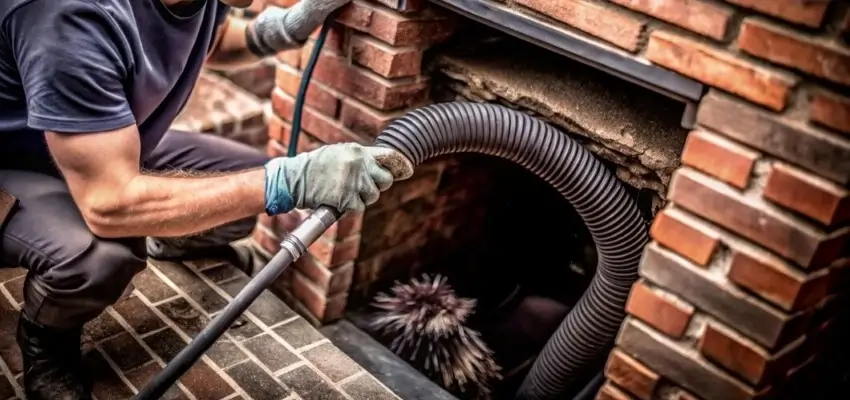
Maple Ridge homeowners: Chimney Cleaning with drop cloths down
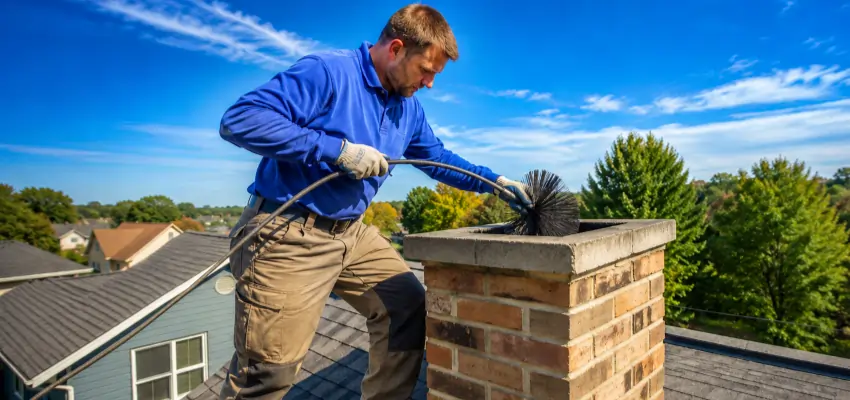
Flue brushed end to end: Chimney Sweep around Maple Ridge
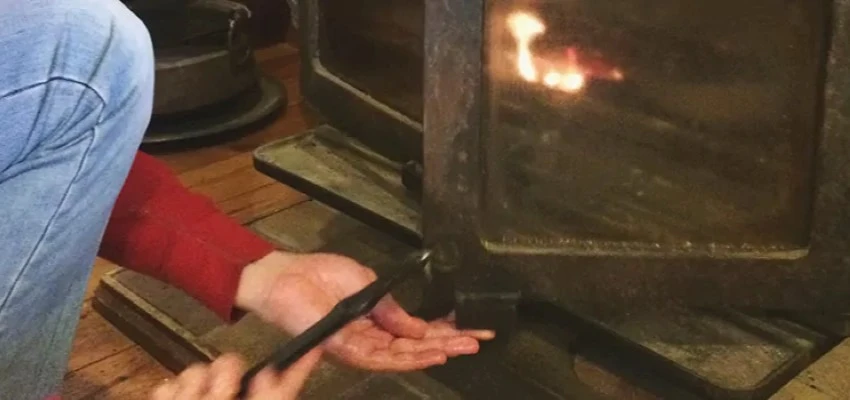
Smoky room or stuck damper? Chimney Sweep Services for Maple Ridge
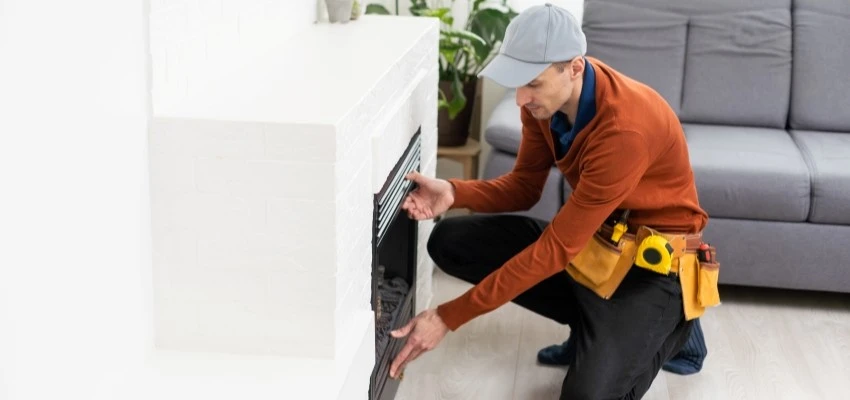
Calm, careful Fireplace Experts for Maple Ridge families
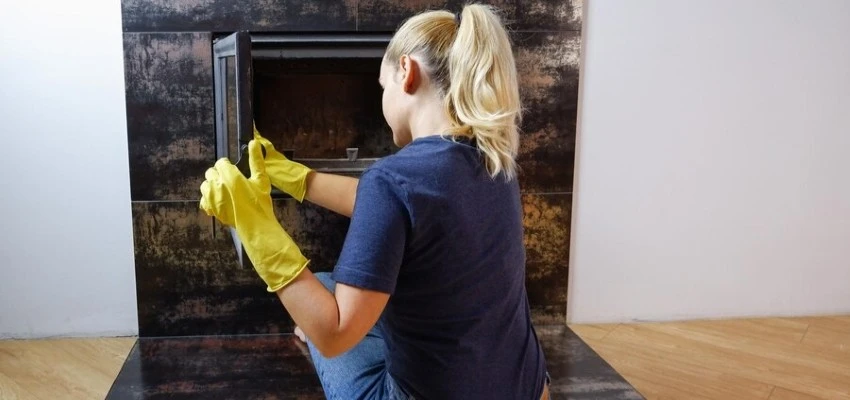
Glass film, cobwebs, dust: Gas Fireplace Cleaning across Maple Ridge
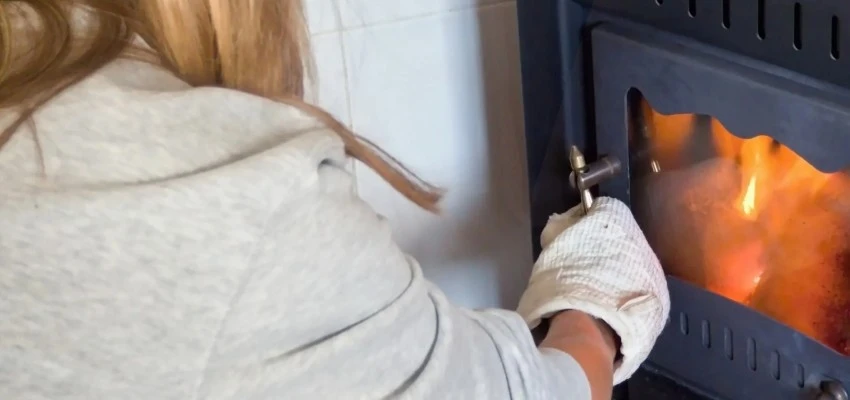
Gas Fireplace Maintenance: a checklist, not a quick wipe

