
Let us know what you are noticing with your fireplace or flue, and our team will reply with pricing for Chimney Nest Removal Maple Ridge
A chimney does its work out of sight, carrying smoke and combustion gases up and away while most of its inner surfaces stay hidden behind brick, metal or drywall. That is why so many questions come up once someone starts looking into “chimney nest removal”. Below, you will find direct answers about chimney nest clearing for properties in Maple Ridge, written by people who spend their days on roofs and at hearths. There is no jargon here and no pressure, just the practical side of the job.

Soot and creosote are different deposits: soot is a dry, powdery carbon dust, while creosote is a tarry residue from wood smoke that can be flaky, sticky or glassy. Soot comes from incomplete burning and can be left by wood, oil or a gas appliance that is not running cleanly. It is lighter and brushes away easily, but it still narrows the flue and can hold moisture and odors. Creosote is the bigger fire concern because of its oily base. Seen from the firebox, soot looks like fine black powder, while creosote looks crusty, shiny or tar-like. A technician adjusts the cleaning to match.
Black flakes dropping from the damper, a sluggish fire and a campfire smell that hangs around are the signs we see most, and any owner can spot them. When we open a damper and a shower of debris comes down, the flue is overdue. A fire that sulks, needs constant coaxing or leaves a haze in the room tells us the draft is restricted somewhere. A sharp odor long after the last fire usually comes from deposits in the flue. We also ask about the calendar: if nobody remembers when the chimney was last swept, that alone is reason enough to book a look before the next fire.
Yes, a nest made of dry twigs, grass and feathers can ignite from heat or sparks, and it can also block the flue enough to send smoke back into the room. That is why a fire should never be lit when you suspect a nest above the damper. Signs include twigs falling onto the grate, chirping or fluttering sounds and a smell of droppings. If you notice any of these, keep the damper closed. Some birds that nest in chimneys are protected, so an active nest stays in place until the young have flown; after that, arrange “chimney nest removal” before the next fire, along with a sweep and a check that the cap is in place.
Animals are removed humanely by giving them a safe way out rather than forcing them, and by keeping mothers and their young together. Depending on the animal, that may mean waiting until young birds have left the nest, fitting a one-way exit at the top so a squirrel or raccoon can leave but not return, or carefully lifting out a trapped animal and releasing it outdoors. Never light a fire or burn anything to drive an animal out, since it can trap the animal, ignite the nest and fill the house with smoke. Once the chimney is empty, the nesting material is cleared and a cap goes on.
Old nests are often harder to remove than fresh ones because they have been packed down, dried out and sometimes coated with soot. The technician usually breaks the material apart from below with hand tools or a rotary head, while a vacuum collects the debris before it reaches the room. Nests built higher in the flue may be pulled down from the roof. Once the bulk is out, the flue is swept and checked with a camera for leftover material wedged at ledges or joints. A careful “chimney nest removal” job also confirms the damper plate moves freely afterward.

From our side, the price follows the number of trips and the amount of material that has to come out. A visit to free one bird is short. A raccoon den usually means installing an exclusion door, coming back to confirm the chimney is empty, then hauling out bags of nesting material, sweeping and fitting a cap that will hold. Roof height and pitch matter as they do for any chimney job, and multi-flue chimneys may need one cover for all of them. We explain each step before starting, so the total makes sense and nothing on the invoice comes as a surprise.
Keep everything closed and quiet until help arrives; that is the advice we give on nearly every call like this. A shut damper keeps the animal on the chimney side, where it is safer for everyone. Many trapped animals settle once the house is calm, which makes removal easier. We ask owners not to try smoke, noise devices or poles, because a panicked animal can injure itself or end up behind a wall. The more you can tell us about the sounds, the time of day and whether they move up or down, the clearer our plan will be before we set up the ladder.
We recommend CO alarms on every floor of every home we work in, including one near the bedrooms, because a chimney is a safety system and alarms are its backup. Even a well-swept flue can be blocked overnight by a nest or a fallen tile, and a fireplace can spill fumes when exhaust fans pull against it. We also suggest a smoke alarm in or near the room with the fireplace or stove, placed as its maker directs rather than right above the hearth, and a fire extinguisher within reach. If your alarms are older than anyone can remember, replacing them is a small job with a large payoff.
You can handle simple upkeep yourself, but the sweeping is usually a job for a professional, and creosote sweeping logs only loosen some deposits rather than replacing a real cleaning. Safe tasks include removing cold ashes, keeping the hearth clear, looking up the flue with a flashlight when the fire is out and checking the cap from the ground with binoculars. Full sweeping means roof work, brushes matched to the liner and a way to contain soot indoors, and it skips the inspection a trained technician does at the same time. Leave anything involving the liner, masonry or gas parts to professionals.

We would rather you book the service you actually need than the biggest package on the list. Tell us what is going on and we will explain what we recommend for your chimney and why. Call (778) 910-7487 to speak with the team serving Maple Ridge.
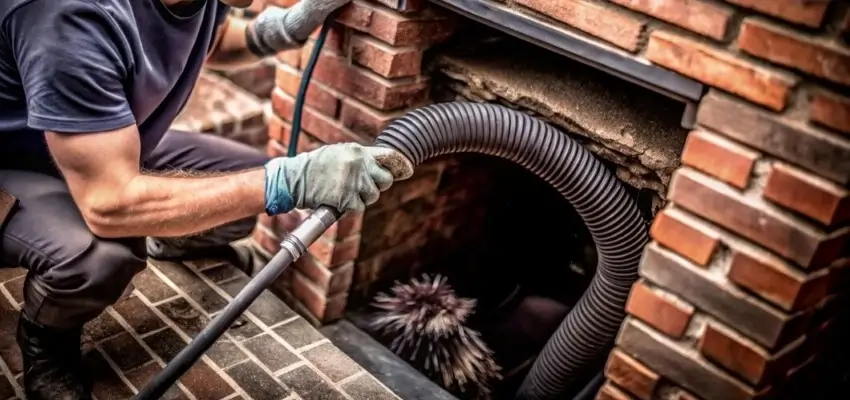
Maple Ridge homeowners: Chimney Cleaning with drop cloths down
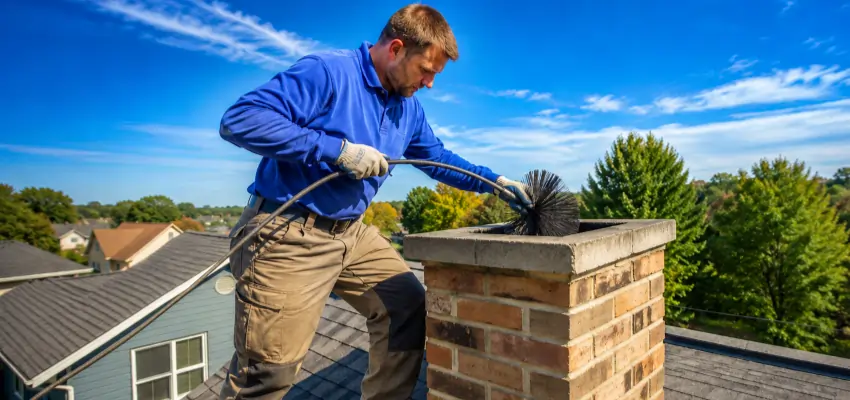
Flue brushed end to end: Chimney Sweep around Maple Ridge
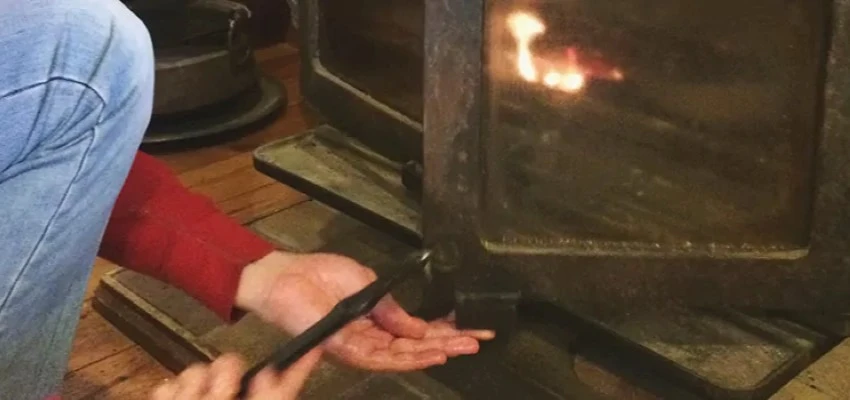
Smoky room or stuck damper? Chimney Sweep Services for Maple Ridge
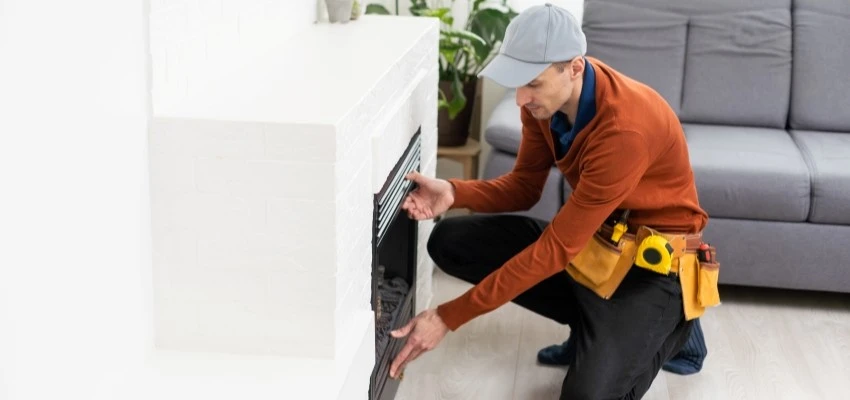
Calm, careful Fireplace Experts for Maple Ridge families
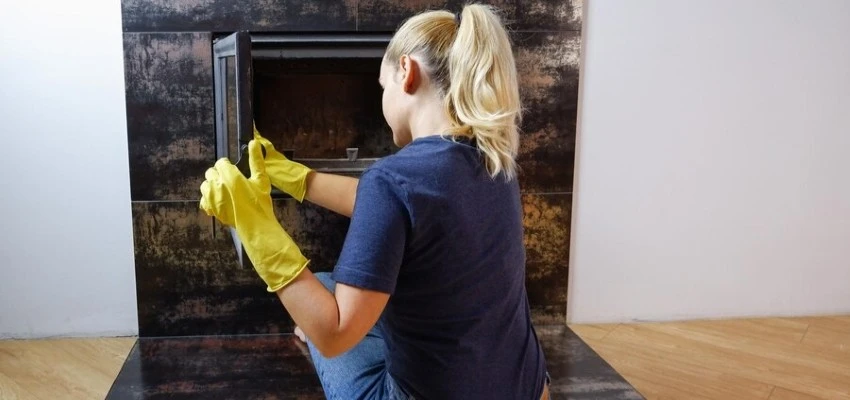
Glass film, cobwebs, dust: Gas Fireplace Cleaning across Maple Ridge
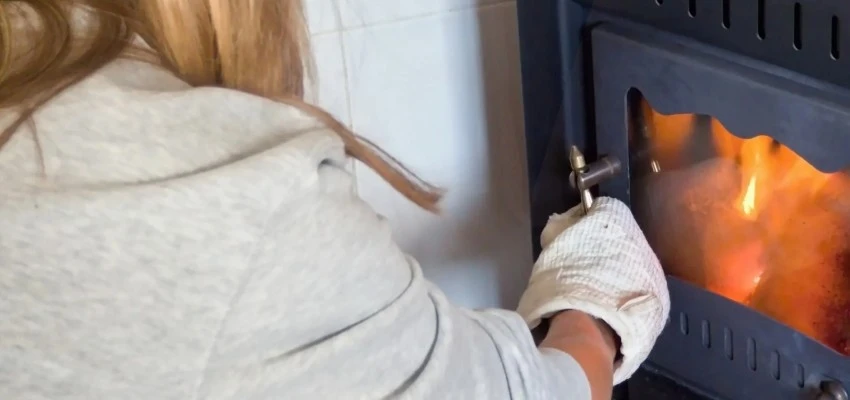
Gas Fireplace Maintenance: a checklist, not a quick wipe

