
Let us know what you are noticing with your fireplace or flue, and our team will reply with pricing for Chimney Odor Removal Maple Ridge
Heating season has a way of arriving all at once, and so do the calls to chimney companies. Reading up early, as you are doing by searching “chimney odor removal”, gives you time to plan instead of scramble. Here are clear, practical answers about chimney odor control for properties around Maple Ridge, each one short enough to read before you pick up the phone and specific enough to be useful once you do.
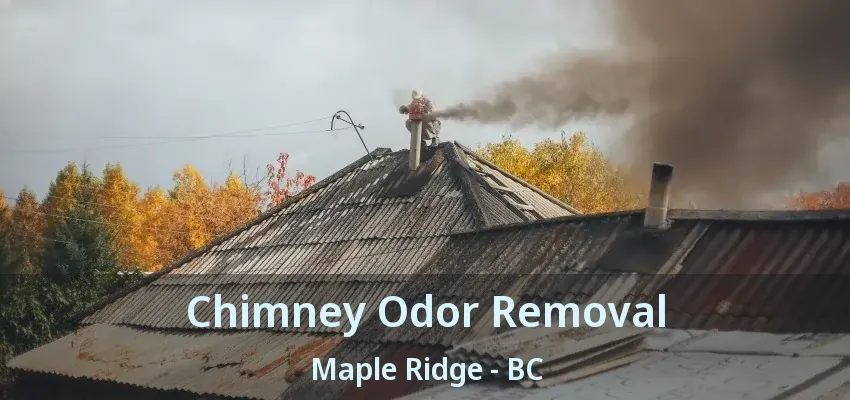
Creosote is the residue that forms when wood smoke cools on its way up the chimney and its tars, gases and moisture condense on the flue walls, and it is dangerous because it burns easily and very hot. A thick layer can catch from a stray spark or an unusually hot fire, and the resulting chimney fire can crack liners and push heat toward nearby framing. Creosote builds faster with damp wood, smoldering fires and chimneys on cold outside walls. It may look like black flakes, a sticky tar or a hard, shiny glaze. If you see any of these on the damper or around the firebox, book a sweep.
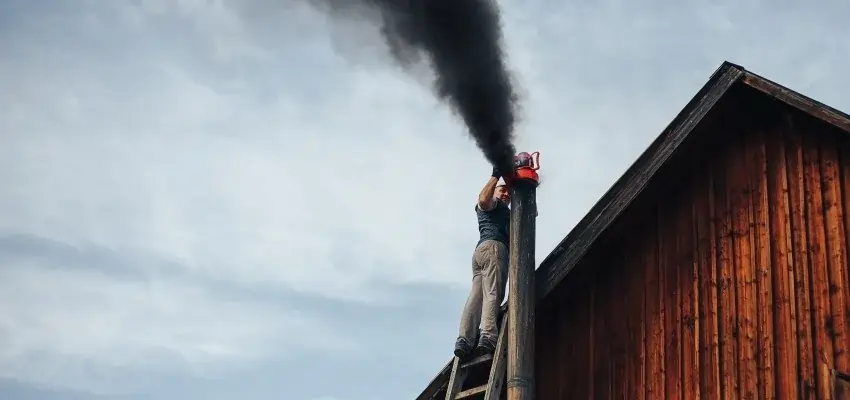
Signs of a chimney fire include a loud roaring or popping sound, dense smoke, a strong hot smell and sparks or flames from the top of the chimney, but many chimney fires burn quietly and are only discovered later. Afterward you might notice puffy, honeycomb-like flakes of creosote on the roof or ground, a warped damper or cap, cracked flue tiles or discolored metal. If you think a fire is happening, get everyone outside and call the fire department. If you suspect one happened in the past, stop using the fireplace or stove until the chimney has been inspected.
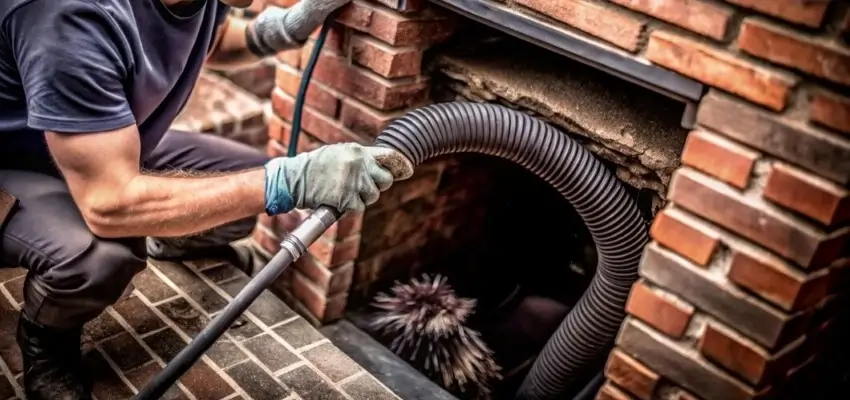
During a chimney sweep, the technician scrubs the inside of the flue from top to bottom and removes the loosened buildup without spreading it through the room. A typical visit starts with drop cloths around the hearth and a powerful vacuum set up at the fireplace or stove opening. Brushes sized to the flue are run through on flexible rods, from below, from the roof or both. The smoke chamber, damper and firebox are cleaned as well. Most sweeps finish by checking the cap and the visible parts of the chimney and telling you what they saw, including anything that needs attention later.
About an hour covers a typical single flue; when a visit runs longer, the chimney is almost always the reason. Laying drop cloths, setting up the vacuum, sweeping, cleaning the smoke chamber and packing up form the core. A wood stove or insert adds time because pipes and baffles come apart. Steep or slippery roofs slow everything down, since roof safety is not something we rush. Heavy creosote or a camera inspection add more. When we book, a few questions about the appliance and the roof let us give you an arrival time and an honest estimate of how long we will need.
Most of the smell fades soon after the deposits are removed, often within a few days of normal ventilation. A faint odor can linger longer in old, porous brick or mortar that has absorbed creosote over many years, and it tends to show up again on very humid days. Closing the damper and running fewer exhaust fans speeds things up. If a strong smell is still there a couple of weeks after “chimney odor removal”, ask for a follow-up look, because a second source, such as water entry or debris on the smoke shelf, may still be present.
Someone usually needs to be home during a chimney visit, because most of the work starts at the fireplace or stove inside. An adult who can let the technician in, show where the appliances are and answer a few questions is enough. Try to be around at the end too, when the findings are explained and you can ask about anything that was noted. Roof-only tasks, such as checking a cap, can sometimes be done while you are out, but agree on that in advance. Landlords can arrange for a tenant or property manager to be present instead.
Getting rid of a chimney smell starts with removing its source, which usually means sweeping out creosote, soot and any nesting material, and then stopping the moisture and downdraft that carry the odor indoors. A cap keeps rain out, and a damper that seals tightly, or glass doors on the fireplace, blocks most of the air movement. Running exhaust fans less, or opening a window slightly when they run, reduces the pull down the flue. A tray of baking soda or activated charcoal in the firebox can absorb lingering smells. If water is getting into the masonry, the leak needs repairing for the fix to last.
It can, if the conditions that caused it return. Creosote deposits rebuild every burning season, so a smell that disappeared after a sweep may creep back the following summer. A leak that was not fully sealed can bring the musty odor back after heavy rain, and an uncapped flue can collect another nest. Negative pressure in the house is also persistent: new exhaust fans or a tighter home after renovations can restart the downdraft. If the odor returns after chimney odor control, note when it is strongest, since that pattern usually points straight to the cause.
The smell lingers because the source is rarely just the animal; it is everything the animal left soaked into porous masonry. When we clean up after wildlife, we bag out the nest, scrape the smoke shelf and damper, sweep the full flue and look with a camera for anything wedged at tile joints. On brick that has absorbed a lot, we apply an enzyme-based or chimney-specific deodorizer and leave the damper closed while it works. Most odors fade noticeably after that. If one returns on muggy days, there is usually a pocket of material we have not reached yet, and a second look finds it.
Some questions are easier to answer in a quick call than in a form. Phone (778) 910-7487 and tell us about your chimney. We will explain the options, give you a sense of timing and book a visit in Maple Ridge if you decide to go ahead.
Maple Ridge homeowners: Chimney Cleaning with drop cloths down
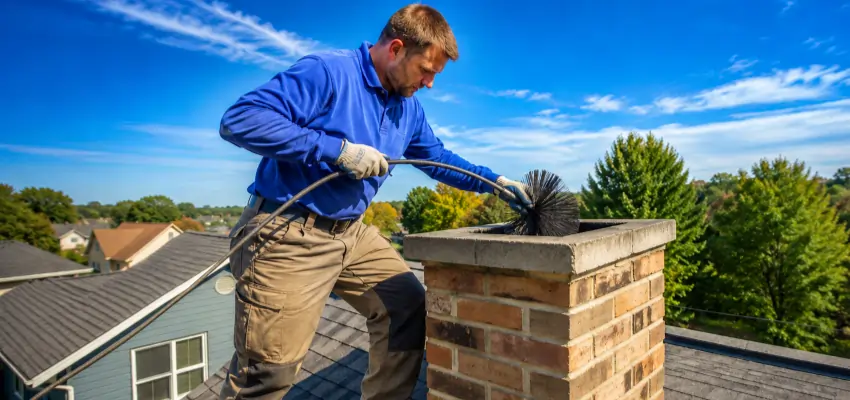
Flue brushed end to end: Chimney Sweep around Maple Ridge
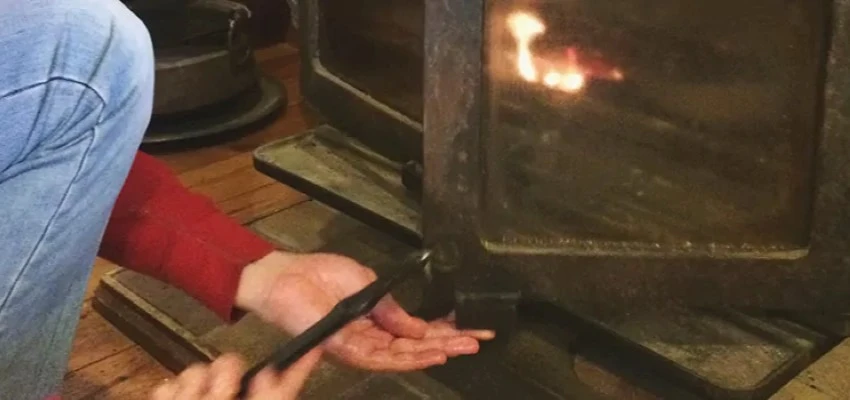
Smoky room or stuck damper? Chimney Sweep Services for Maple Ridge
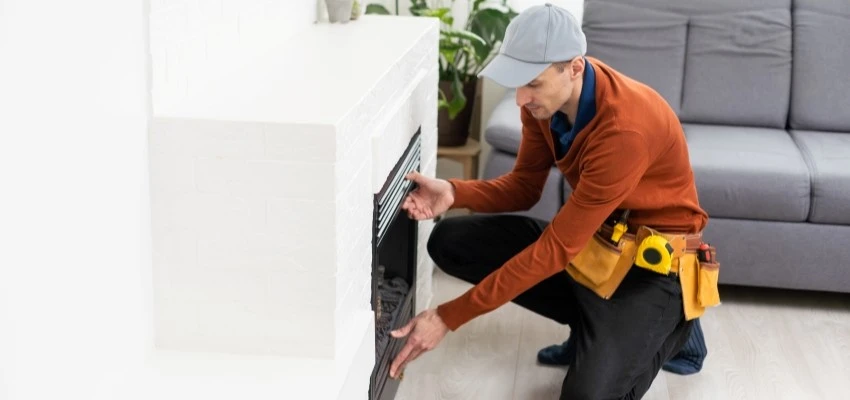
Calm, careful Fireplace Experts for Maple Ridge families
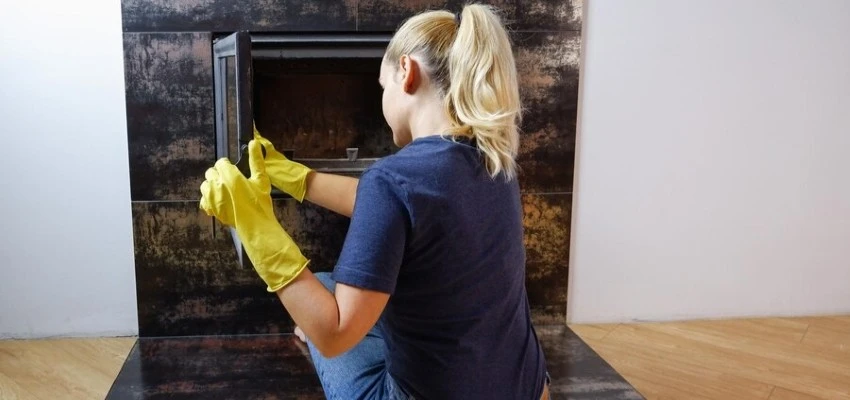
Glass film, cobwebs, dust: Gas Fireplace Cleaning across Maple Ridge
Gas Fireplace Maintenance: a checklist, not a quick wipe

