
Let us know what you are noticing with your fireplace or flue, and our team will reply with pricing for Chimney Remodel Maple Ridge
Planning chimney work is easier when you understand what the contractor is talking about. Flue sizes, liners, pots, chases and water repellents all come up in quotes, often without much explanation. This page is for people in Maple Ridge who looked up “chimney remodel” and want straight answers about chimney renovation: why it is done, how it is done and which details matter for an ordinary home.

A chimney is an engine that runs on temperature difference, and most of the problems we fix come from something upsetting it. Hot exhaust in the flue is lighter than the outdoor air, so it rises and draws combustion air into the firebox. A cold, oversized or leaky flue weakens that pull; a cap clogged with soot, a nest or a top that sits below a nearby roof peak can block or even reverse it. That is why we care about the height of the stack, the size and condition of the flue and whatever is sitting on top. Get those right, and smoke goes where it should.
An inspection should come first because it shows whether the planned work is the right work. A technician looks at the chimney from top to bottom, often with a camera inside the flue, and checks for hidden cracks, blockages, water damage and any mismatch between the flue and the appliance. Sometimes the inspection confirms the plan; sometimes it reveals that a leak comes from somewhere else or that a liner needs attention before anything cosmetic is done. Ask for photos or video and a short written summary so you can compare options with confidence.
Often, yes. Thin stone veneer, natural or manufactured, can be applied over sound brick or over a framed chase with the right backing, lath and drainage details. The existing surface must be solid and clean, and the veneer needs flashing and a way for moisture to escape at the base so water does not get trapped behind it. Weight is a consideration on older chimneys. If you are planning a “chimney remodel” with stone in mind, ask how the veneer will be attached, how the top will be finished and how the work will meet the roof.
Shortening, extending and refacing are all doable, and each comes with its own checks. Shortening means taking the stack down to a sound course, then either capping the flue with a vented cover or closing it off entirely if nothing uses it. Extending means building up in matching brick or adding a flue extension, then confirming the new top clears nearby roof surfaces. Refacing means a new skin over the old masonry, which only works if the masonry underneath is sound and the new finish lets moisture escape. We sketch the plan with you before any brick comes down.
Timing the two together usually saves money and gives a cleaner result. When the roof is being replaced, the area around the chimney is already open, so flashing, crickets and any change in chimney height can be handled before new shingles go on. Siding or stucco work around a chase is easier to match when both happen at once. The key is agreeing on who does what and in which order, so the chimney work is finished before roofing or siding seals it in. Share both schedules with each contractor when you plan chimney renovation.

The cost of chimney work depends on the scope, the materials, the height and pitch of the roof and the condition of what is already there. A short chimney on a gentle roof is simpler to reach than a tall one on a steep or three-story house. Materials range widely, from a repellent or standard pot to custom stainless parts, insulated liners or factory-built chimney kits. Hidden problems found once work begins, such as cracked tiles or rotted framing, add to the total. A written quote that lists each item lets you compare offers on equal terms.
Start by letting the fireplace or stove go cold at least a day before, and clear the hearth of screens, tools, logs and decorations. Move furniture and rugs back a few feet. Outside, clear the area below the chimney of cars, planters, bikes and patio furniture, and unlock gates so ladders can come through. Let the company know about pets, alarms, skylights or solar panels near the chimney. If the job involves the attic, a closet or the basement, make sure those spaces are reachable. A few minutes of preparation saves time on the day.
Burn dry wood, keep the top clear and book a yearly check; most of what keeps new chimney work in shape happens between our visits. Seasoned logs keep creosote down and protect liners and flue tiles. A cap or pot that stays clear lets the chimney draft properly. Water is the long-term enemy, so the crown, flashing and any repellent are worth a glance after big storms. We leave written notes on what we did and what to watch for. Homeowners who follow that routine rarely call us back for the same problem.
We would hire the company that asks the most useful questions. A contractor who knows chimneys wants to know the material, the height, the appliances and the history before naming a figure. On site, it should go up, look inside the flue and come back with photos. It should tell you what it will not do as clearly as what it will. Ask how it handles surprises mid-job and who will be on the roof. Companies that work in your area every week can also tell you what tends to fail on homes like yours, which is useful insight in itself.

When we know what to expect, we can usually plan everything for a single appointment. Share a few details about your home and your chimney ahead of time. Plan chimney renovation with Chimney Sweep Maple Ridge and keep the disruption small.
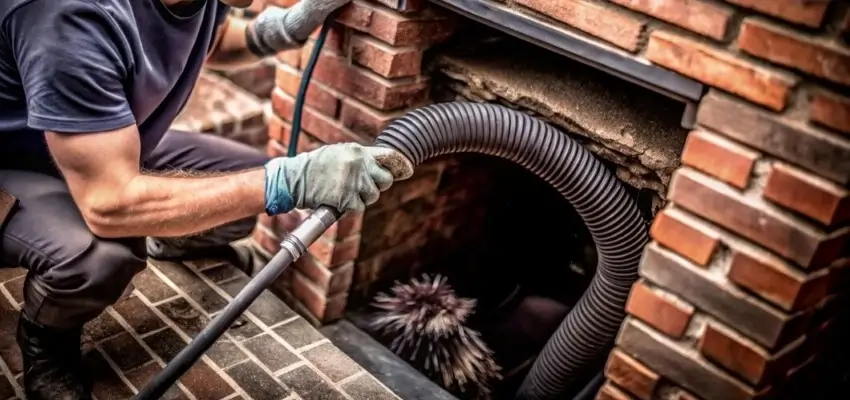
Maple Ridge homeowners: Chimney Cleaning with drop cloths down
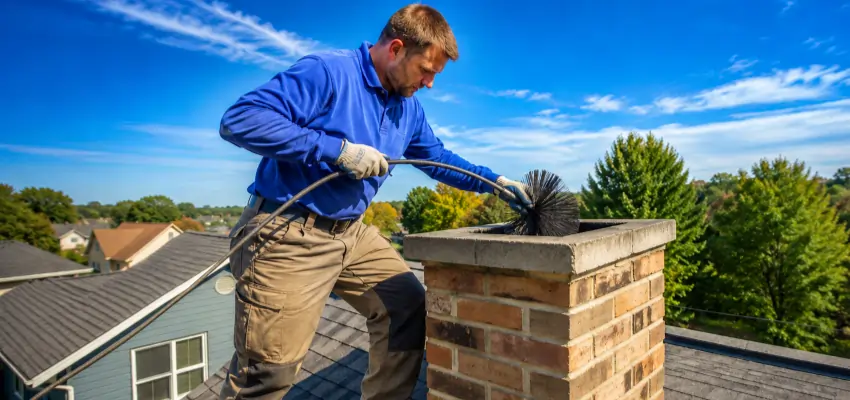
Flue brushed end to end: Chimney Sweep around Maple Ridge
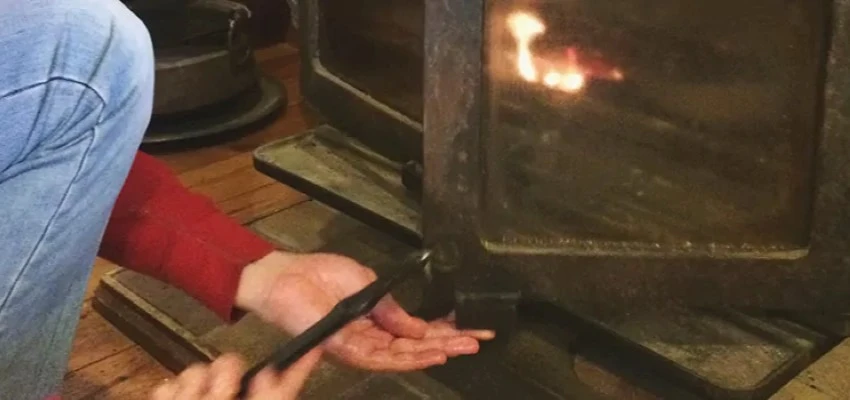
Smoky room or stuck damper? Chimney Sweep Services for Maple Ridge

Calm, careful Fireplace Experts for Maple Ridge families
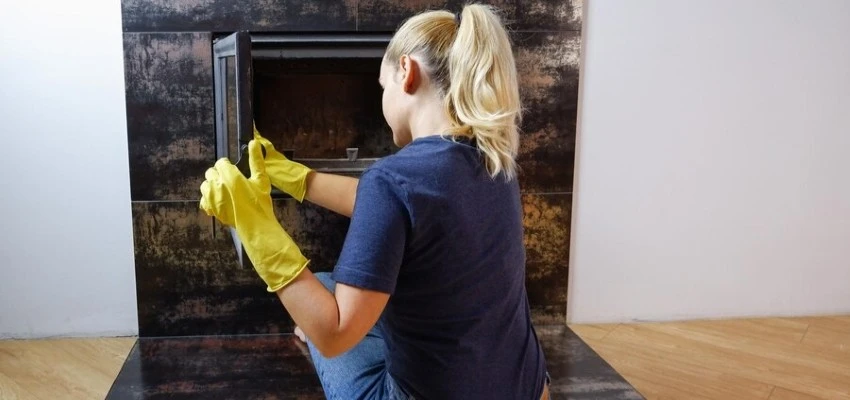
Glass film, cobwebs, dust: Gas Fireplace Cleaning across Maple Ridge
Gas Fireplace Maintenance: a checklist, not a quick wipe

