
Let us know what you are noticing with your fireplace or flue, and our team will reply with pricing for Chimney Soot Cleaning Maple Ridge
Some of the most useful chimney conversations happen after the tools are packed, when the owner finally asks what they have always wondered. This page puts those questions up front. If you searched for “chimney soot cleaning” in Maple Ridge, you will find how soot cleaning is usually approached, what differs from one flue to the next and where your own observations can help the technician do a more thorough job.
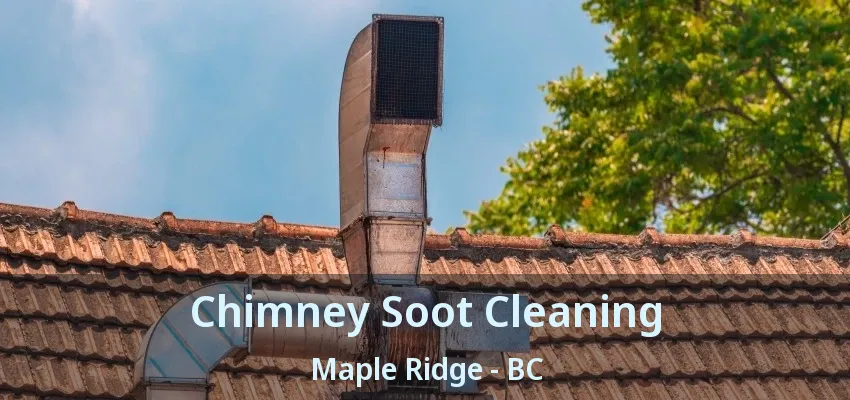
A chimney needs sweeping because every fire leaves deposits inside the flue, and if they are never removed they turn into a fire hazard and an obstruction. The main culprit is creosote, a tarry residue from wood smoke that burns hot and fast once it ignites. Buildup also narrows the passage, so smoke drifts back into the room and fires get harder to start. A swept flue drafts better, smells less and gives whoever cleans it a clear view of the liner, damper and cap, which is often how cracks, rust and loose parts are caught while they are still small.
Gas leaves far less buildup than wood, so a chimney serving only gas needs much less cleaning, but it still needs a regular check. Creosote is rarely the issue. The risks are different: nests, leaves and fallen debris can block the opening, and the water vapor in gas exhaust can wear down masonry and old liners over time. A blocked or damaged flue can push carbon monoxide back indoors, so keep working CO alarms on every level. Leave burners, valves and pilots to a qualified gas technician, and if you ever smell gas, leave the building and call your gas utility from outside.
A chimney often smells worse in summer because humid air dampens the creosote left from the heating season, and air drawn down the flue carries that sharp, smoky odor into the room. The downdraft happens when the house is under slight negative pressure, for example while exhaust fans, a range hood or a clothes dryer are running. Rain entering an uncapped chimney adds a musty note. Closing the damper and any glass doors helps, and a sweep in spring removes most of the deposits behind the smell. If the odor is rotten rather than smoky, an animal or nest may be in the flue.
Soot on the face of a fireplace, especially above the opening, usually means smoke is escaping into the room instead of rising up the flue. Common causes are a damper not fully open, a cold flue at start-up, a house short of fresh air, wet wood or buildup that has narrowed the chimney. Gas fireplaces can leave staining too when the burner is not running cleanly. The stain itself is a clue, so mention it when booking “chimney soot cleaning”. The technician can clear the flue and look for the draft problem that put the soot there in the first place.
Yes, a gas fireplace that leaves soot on its glass, logs or surround is telling you the flame is not burning cleanly. Causes include logs that have shifted out of position, a burner that needs cleaning or adjusting and venting that is partly blocked. Do not try to rearrange logs or adjust the burner yourself; that work belongs to a qualified gas technician. Keep working carbon monoxide alarms in the home, and if you ever smell gas, leave the building and call the gas utility from outside. A “chimney soot cleaning” visit can clear the vent, while the appliance itself is serviced separately.

Late spring and summer are often the easiest times to have a chimney swept. The burning season is over, so the flue holds a full year of deposits, and sweeping then clears them before humid weather brings out odors. Appointments are also easier to get than in early fall, when many people remember their chimney at the same moment. Fall still works if you book ahead and leave time for any repairs the visit turns up. Heavy wood burners may add a midwinter check. If something already seems wrong, book right away instead of holding out for a particular month.
We tell most owners to plan on a yearly visit and let the findings set the sweeping schedule. If we pull out a heavy load after one season, the chimney should be checked sooner next time; if the flue is lightly coated, stretching the interval is reasonable. Fuel and habits matter more than the calendar. Dry hardwood burned hot leaves far less behind than damp wood or a stove turned down overnight, and inserts and stoves often need attention more often than open fireplaces. Keeping a note of each visit and what came out makes the right rhythm for your chimney easy to see.
A cold firebox and a bare hearth help us more than anything else. Clear a few feet of floor for the vacuum and drop cloths, and lift screens and ornaments off the hearth itself. Warm ash is the most common reason a job starts late, since we cannot clean safely until it has cooled. Outside, we need a stable spot near the chimney for the ladder, so mention soft ground, flower beds or a deck that might be in the way. Tell us about alarm systems, a dog that dislikes visitors or a roof that is easier to reach from the back. Those small details save time on the day.
Look for a company whose technicians explain what they are doing as they do it; in our experience, that habit says more than any advertisement. Good chimney work is mostly visible only to the person on the roof, so the way a company shares photos, measurements and findings is your window into its standards. Ask how it protects floors and furniture, whether a camera check is included and who will actually come. Notice whether it separates urgent issues from ones that can wait. How a company handles your first phone call tends to match how it will handle your chimney.

No jargon, no surprise add-ons and no long sales pitch. We explain what the work on your chimney involves, what it costs and how long it takes, then you decide. Call (778) 910-7487 to talk it over with Chimney Sweep Maple Ridge.
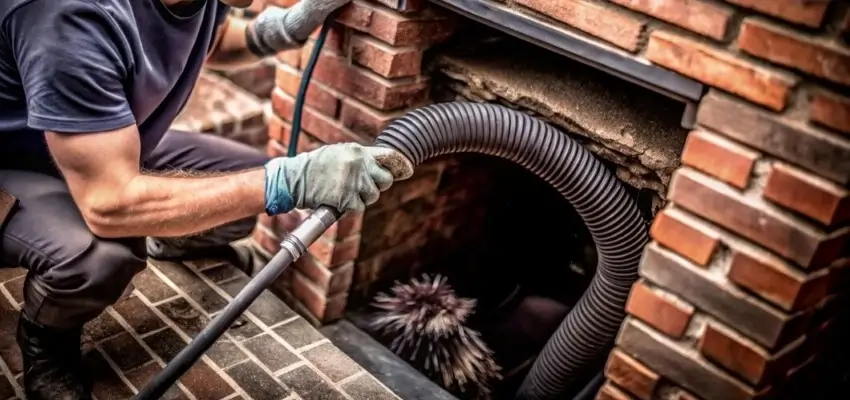
Maple Ridge homeowners: Chimney Cleaning with drop cloths down
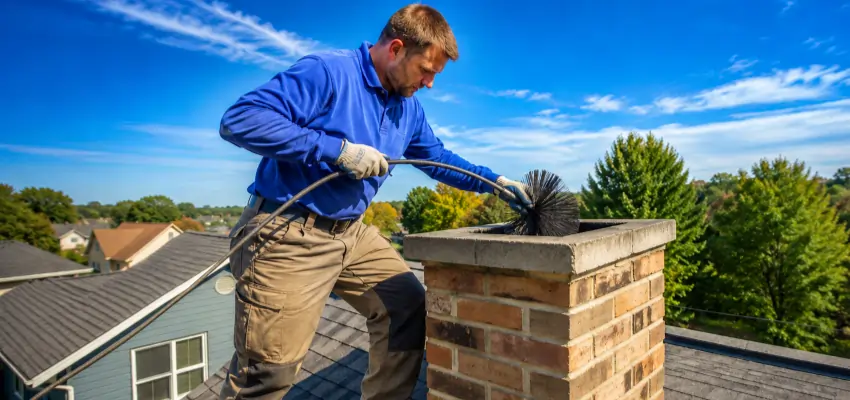
Flue brushed end to end: Chimney Sweep around Maple Ridge
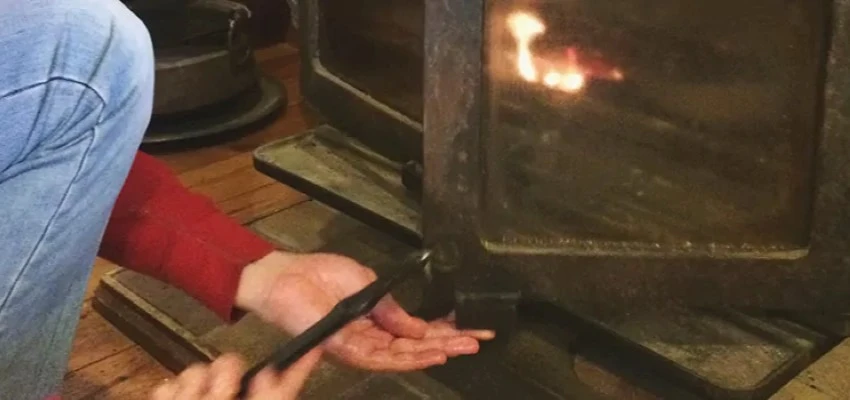
Smoky room or stuck damper? Chimney Sweep Services for Maple Ridge
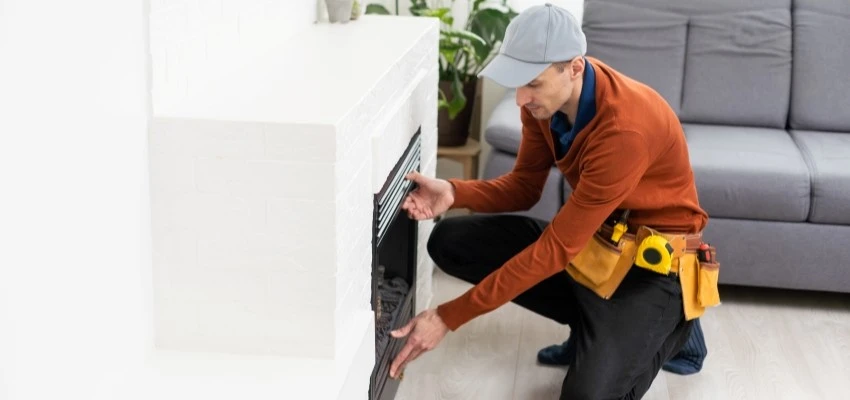
Calm, careful Fireplace Experts for Maple Ridge families
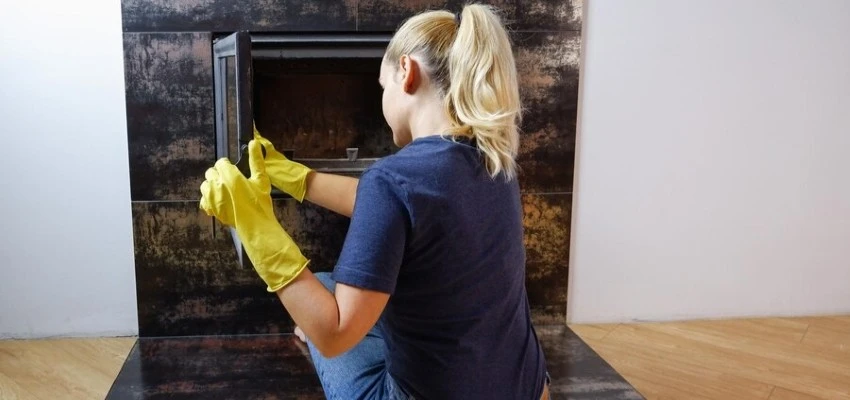
Glass film, cobwebs, dust: Gas Fireplace Cleaning across Maple Ridge
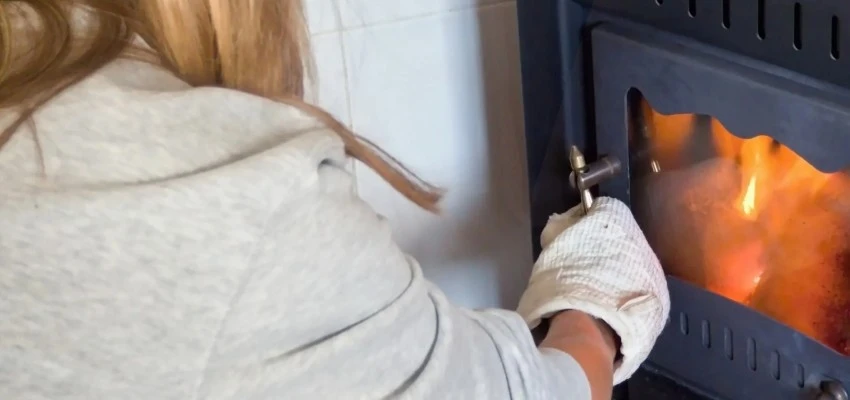
Gas Fireplace Maintenance: a checklist, not a quick wipe

