
Let us know what you are noticing with your fireplace or flue, and our team will reply with pricing for Fireplace Damper Services Maple Ridge
How long will it take? Can it be done without tearing everything out? When can we light a fire again? These questions come up in almost every conversation we have about fireplace work. For homeowners in Maple Ridge who searched for “fireplace damper services”, we have gathered the answers in one place, with practical notes on fireplace damper repair drawn from jobs in homes much like yours.

A damper is a movable plate that opens the chimney while a fire burns and closes it when the fireplace is not in use. Open, it lets smoke and gases escape; closed, it stops warm room air from flowing up the chimney and keeps cold drafts, rain and odors out. Most older fireplaces have a throat damper just above the firebox, while some homes have a top-sealing damper at the chimney top instead. If you started looking into “fireplace damper services” because of drafts or a stuck handle, knowing which type you have is the first step toward the right repair.
A damper that sticks, will not open or close fully, rattles in the wind or lets cold air and odors into the room when the fireplace is off is usually worn or damaged. Look for rust flakes falling into the firebox, a handle or chain that moves without the plate following, light visible around a closed plate and smoke in the room even with the damper open. Rust, warping from heat and debris lodged on the smoke shelf are the common causes. A damper stuck closed is a safety issue, so do not light a fire until it has been checked.
An inspection comes first because it shows whether the fireplace is safe to use and sound enough for the planned work, so you do not spend money on a new face over a failing core. A technician typically checks the firebox walls and floor, the damper and throat, the smoke chamber, the flue and the clearances around the opening, often with a camera for the hidden parts. If problems turn up, they can be fixed before finishes go on, when access is easiest. It is a sensible routine on its own too: many homeowners have the fireplace and chimney inspected once a year.
When we price fireplace work, we are estimating labor hours, materials and risk. Labor depends on how much needs to come apart, how tight the space is and whether the job calls for skilled masonry, carpentry or gas fitting. Materials range from inexpensive tile to heavy natural stone that needs extra support. Risk is the unknown: an old surround can hide damaged brick or framing that has to be fixed before anything new goes on. We explain up front how any extra work would be handled and priced, so a surprise behind the wall does not become a surprise on the invoice.
Describe how the damper is operated, whether by a handle, a rotating knob, a chain or a cable, and what happens when you use it: stiff, loose, stuck open, stuck closed or noisy in the wind. Mention when you first noticed the problem, whether rust flakes or debris fall into the firebox and whether you smell soot when the fireplace is off. A photo looking up from the firebox, taken with a flashlight, is helpful. If your search for “fireplace damper services” ends in a booking, these details let the visit start with the right parts on hand, whether that means a new handle, a cleared smoke shelf or a replacement damper.

It depends on where you live and what the work involves. Purely cosmetic changes, such as painting brick or swapping a mantel shelf, often need no permit, while gas line work, installing a new insert or fireplace, changes to the chimney or structural masonry frequently do. Rules differ from one municipality to the next, so check with your local building department or ask the contractor to confirm. A professional company should know the local requirements and tell you whether it will arrange the permit and inspection or whether that falls to you. Get that answer in writing before work begins.
We give every customer a first-fire date, and it is set by the slowest-curing material in the job. Fresh mortar and refractory products hold water, and heating them too fast turns that water to steam inside the joint, which can crack it before it has hardened. So after firebox, throat or smoke chamber work, we recommend a few small fires before a full one. Tile and stone surrounds have their own adhesive cure times. Gas units are lit and tested on installation day, then left ready to use. Call us if anything looks or smells unusual during those first fires.
Not safely, beyond the basics. We often find homemade repairs inside fireboxes: hardware-store mortar that has already crumbled, silicone smeared into joints and bricks set without proper bonding. Those fixes usually have to come out before the real repair can start, which adds work. What helps us most is a homeowner who watches for changes, keeps ash from piling up against the walls, avoids roaring fires and calls when something looks different. A yearly inspection then takes care of the parts you cannot see, such as the smoke chamber and the back of the damper.
When homeowners show us competing quotes, the gap usually comes from scope. One quote may cover a new surround but say nothing about the cracked firebricks behind it; another includes the repair and the curing time. We suggest laying them side by side and asking three questions of each: what exactly is being fixed, what exactly is being installed and what happens if something unexpected turns up when the old finish comes off. Clear, specific answers point to a contractor who has thought the job through. Vague ones usually mean extras later.

When you call, you speak with people who know the work and can answer practical questions about your fireplace. Reach Chimney Sweep Maple Ridge at (778) 910-7487 and we will help you decide on the next step for your home in Maple Ridge.
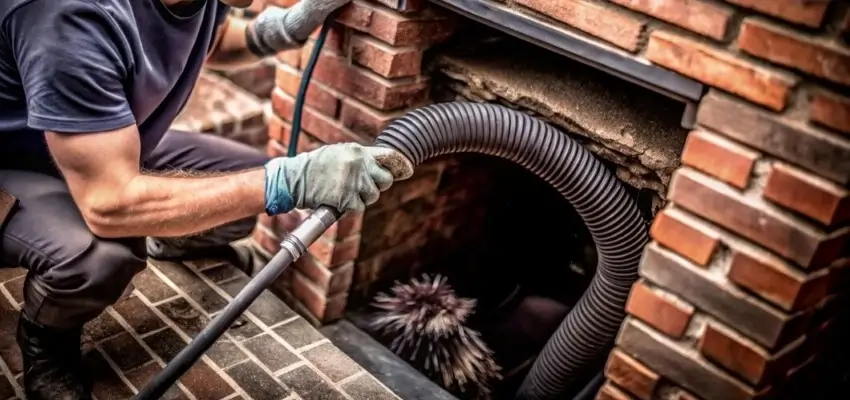
Maple Ridge homeowners: Chimney Cleaning with drop cloths down
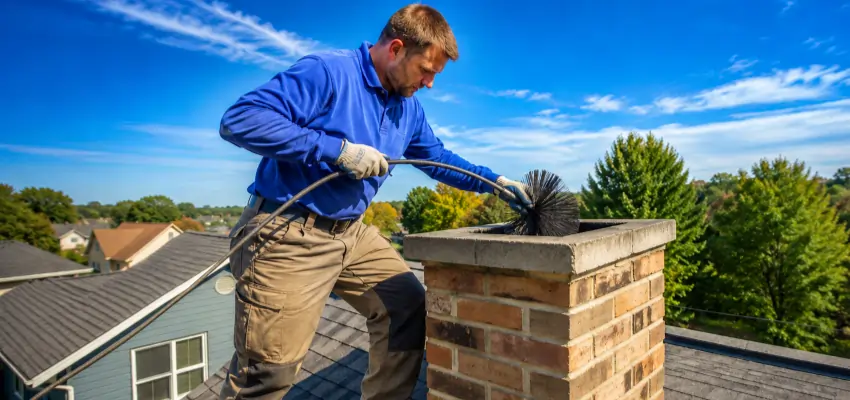
Flue brushed end to end: Chimney Sweep around Maple Ridge
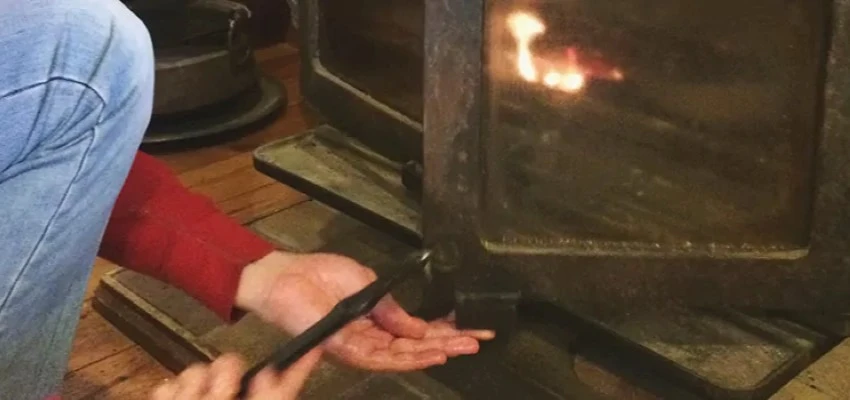
Smoky room or stuck damper? Chimney Sweep Services for Maple Ridge
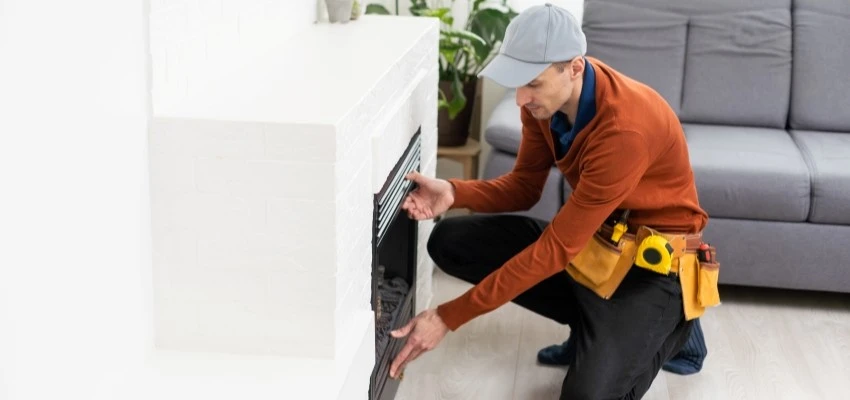
Calm, careful Fireplace Experts for Maple Ridge families
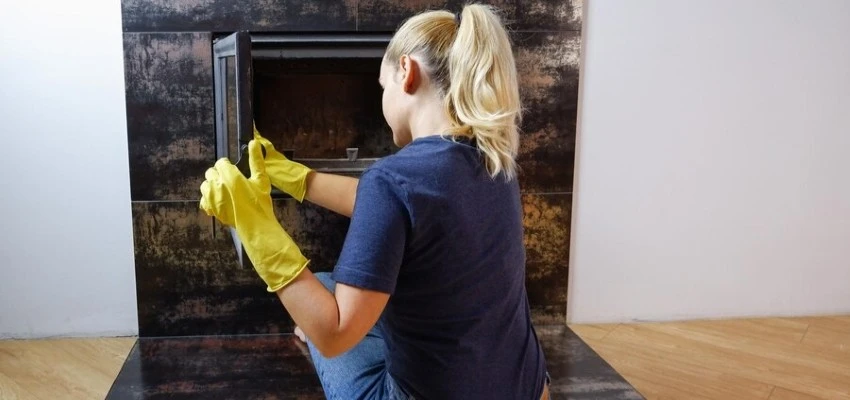
Glass film, cobwebs, dust: Gas Fireplace Cleaning across Maple Ridge
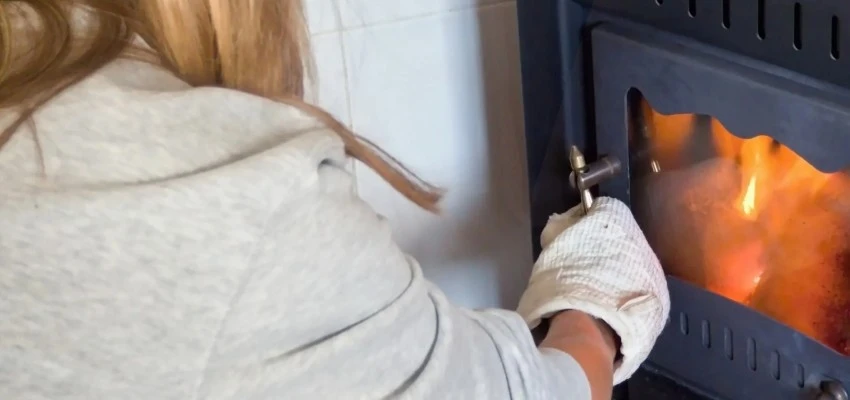
Gas Fireplace Maintenance: a checklist, not a quick wipe

