
Let us know what you are noticing with your fireplace or flue, and our team will reply with pricing for Fireplace Restoration Maple Ridge
Some fireplace projects start with a wish for a fresh look; others start with a crumbling brick, a stuck damper or a smoky room. Either way, people around Maple Ridge who search for “fireplace restoration” tend to ask the same practical questions. This page answers them plainly, from what the work involves and how long it takes to how to prepare and what to ask before hiring anyone, so you can plan hearth and firebox restoration with fewer surprises.

Restoration is usually the stronger choice when the structure is sound and the fireplace has character worth keeping, such as original brick, tile, cast iron or carved woodwork. Restoring means repairing the firebox, damper and smoke chamber, then cleaning, repairing or refinishing the visible parts. Replacement makes more sense when the firebox is failing badly, the fireplace was poorly built for safe use or you want a completely different style or fuel. An inspection shows which path fits, and many homeowners end up with a mix: restored structure and refreshed surfaces.
In an older home, fireplace restoration means bringing the original fireplace back to safe working order while keeping the features that give it character. That can involve rebuilding a worn firebox, repairing the damper and smoke chamber, lifting long-built-up soot from brick, resetting original tiles and refinishing cast iron or wood. The aim is authenticity as well as safety, so materials are matched as closely as possible. If you searched for “fireplace restoration” because the fireplace came with the house and its history is a mystery, an inspection will show what can be saved and what must be rebuilt.
The line we draw is between the parts you see and the parts that handle fire and smoke. Remodeling deals with surfaces and fuel: tile, stone, mantels, surrounds and conversions. Repair deals with the working core: the firebox, the throat and damper, the smoke chamber and the metal components that seal or protect them. On real jobs the two often overlap. Pull off an old surround and you may find gaps that let heat reach framing; open the damper and you may find a crumbling smoke shelf. We sort each finding into must-fix and nice-to-have so you can plan sensibly.
The problems that concern us most are the ones that let heat or smoke go where they should not. Open cracks in the firebox, mortar joints washed out deep enough to catch a fingernail, a smoke chamber shedding chunks onto the smoke shelf and a damper plate rusted through all fall into that group. Cosmetic issues, like hairline crazing in a tile surround or a scuffed mantel, can be planned around your schedule. When homeowners send photos, we usually ask for three: the firebox walls, the view up past the damper and the outside of the chimney.
Firebricks crack mainly from repeated heating and cooling, which expands and contracts the brick every time a fire burns. Very hot fires, fires built against the back wall, water from a leaky chimney and logs dropped onto the floor speed it up. Hairline surface cracks are common and often harmless, but cracks that go through the brick, loose or missing pieces and eroded mortar joints let heat reach the masonry and framing behind the firebox. Those need repair before the next fire. A technician can tell you which cracks are cosmetic and which are structural.

Because what we find inside often changes the plan, every project should begin with an inspection. A makeover quote means little if the firebox behind it is cracked, and a gas conversion depends on the condition of the flue it will vent through. We look at the masonry joints, the damper and its frame, the smoke chamber walls above it and the liner or flue tiles, and we measure the opening. Then we tell you what the existing fireplace can support. Doing this first also avoids the worst outcome: covering damage that someone later has to tear out again.
Most firebox damage is repaired by repointing worn joints and replacing cracked bricks, without rebuilding the whole firebox. Old, loose mortar is raked out and replaced with refractory mortar made for direct heat, since ordinary mortar breaks down quickly in a firebox. Bricks that are cracked through or crumbling are cut out and replaced with matching firebrick. When large areas are failing, or the back wall has bulged, a section or the full firebox lining is rebuilt. Afterward, the repairs need time to cure, and the first fires should be kept small.
Often it can, because cast iron rusts on the surface long before it fails. Period fronts, decorative inserts and summer covers are usually taken apart, stripped of old paint and rust, and finished with a graphite polish or a heat-tolerant coating that suits the original look. Hairline cracks in a front that sits away from direct flame can sometimes be repaired by a specialist, while a section that has split through, or a missing piece, may be replaced with a casting made to match. The firebox and damper behind the front still need checking, since a handsome front does not make an unsafe opening usable. Ask about both when planning hearth and firebox restoration.
We protect the room with floor coverings, sealed openings and a contained work area, and the setup takes time on purpose because masonry dust travels. The floor is covered from the door to the hearth, plastic is taped around the fireplace opening and, for messy demolition, we build a small enclosure so dust stays in one spot. Cutting is done with dust collection where the tools allow, and mixing happens outside or on protected ground. At the end of each day we vacuum and tidy. Some fine dust can still escape on a demolition day, but it should be minor.

We would rather explain one thing clearly than list ten things you do not need. Ask us what matters for your home in Maple Ridge and we will give you a straight reply. Get in touch with Chimney Sweep Maple Ridge whenever you are ready.
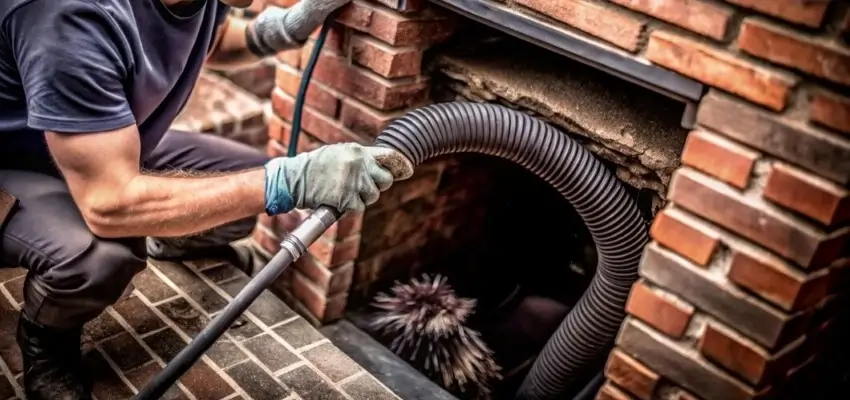
Maple Ridge homeowners: Chimney Cleaning with drop cloths down
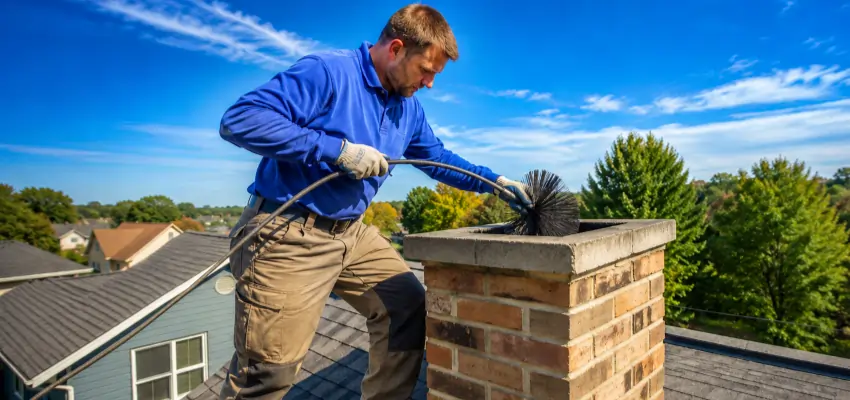
Flue brushed end to end: Chimney Sweep around Maple Ridge
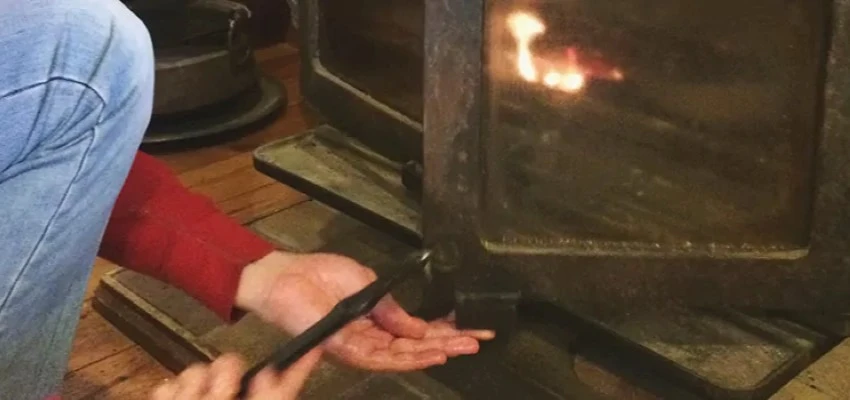
Smoky room or stuck damper? Chimney Sweep Services for Maple Ridge
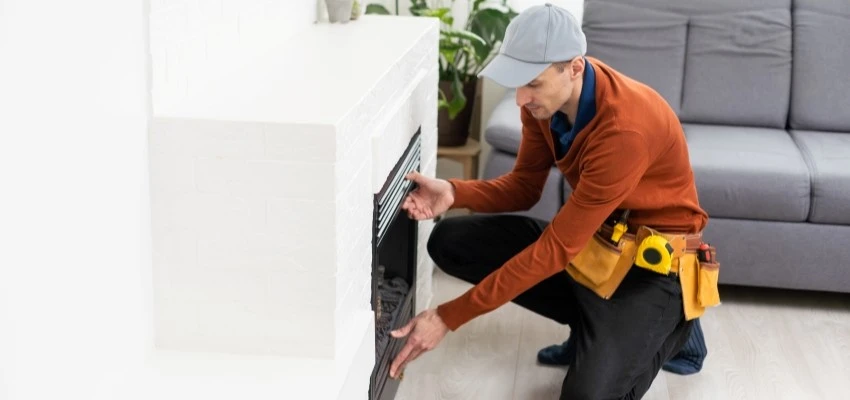
Calm, careful Fireplace Experts for Maple Ridge families
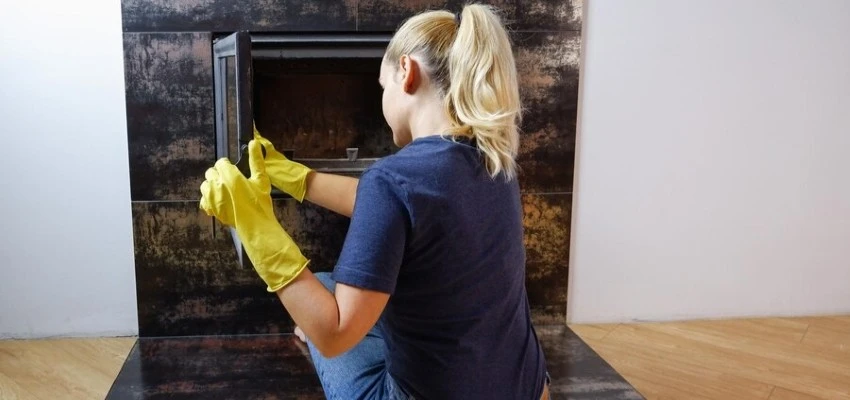
Glass film, cobwebs, dust: Gas Fireplace Cleaning across Maple Ridge
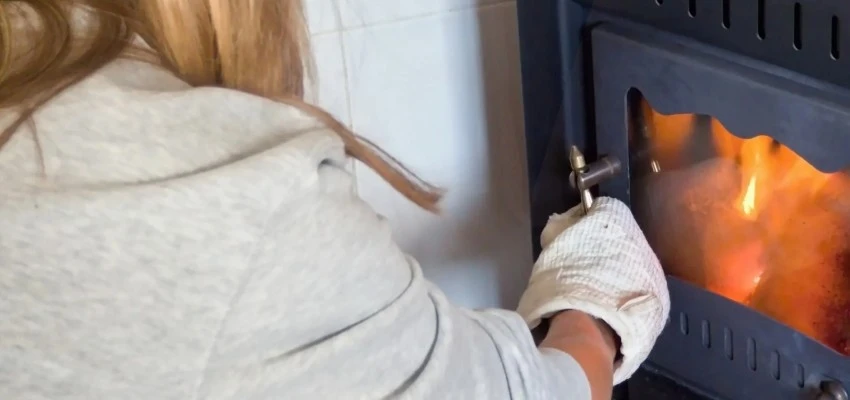
Gas Fireplace Maintenance: a checklist, not a quick wipe

