Let us know what you are noticing with your fireplace or flue, and our team will reply with pricing for Fireplace Service Company Maple Ridge
Some households light a fire every evening all winter; others use theirs a handful of times a year. Both need attention, just on a different schedule. Whatever your routine, if you have been looking up “fireplace service company”, this page explains fireplace service in a way that fits real homes around Maple Ridge, from what wears out first to how often a technician should take a look at your fireplace.
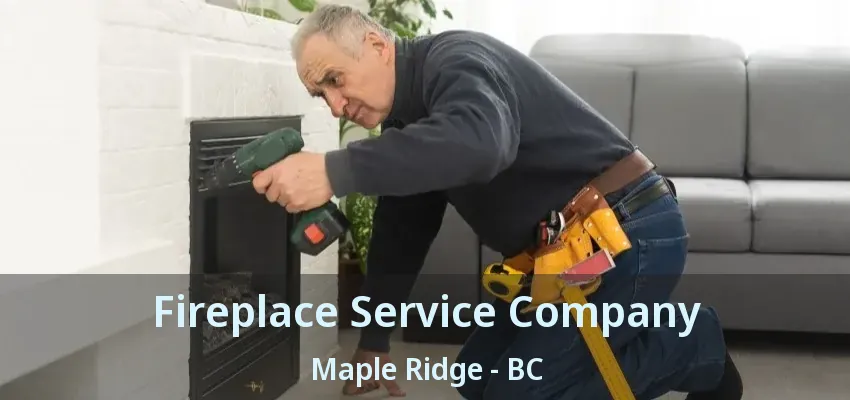
During a fireplace sweep, the technician cleans the full smoke path from the firebox to the top of the chimney while keeping soot out of your room. A typical visit starts with drop cloths and a sealed opening, with a vacuum running to hold fine dust back. Brushes on flexible rods are then run through the flue, from below, from the roof or both. The smoke shelf and smoke chamber above the damper are cleared, the damper is cleaned and tested, and ash and debris are removed from the firebox. You should get a short summary of what was found.
The cost depends mainly on how much work the visit involves and how hard the chimney is to reach. Key factors include the height of the chimney and the pitch of the roof, the number of flues, how much creosote has built up and whether it has glazed, and whether the visit includes an inspection or a camera scan. Stoves with pipe to take apart and older fireplaces with rough smoke chambers can add time. Repairs and parts are normally quoted separately. A written quote that lists what is included makes it easier to compare companies fairly.
One to two hours covers most cleaning and inspection visits we make, with the chimney deciding which end of that range applies. Setup and floor protection take a few minutes, brushing takes the bulk of the time, and clean-up plus a walkthrough close things out. Tall chimneys, steep roofs and several flues stretch the visit, as do thick layers that need extra passes or special tools. Repairs are their own matter: a damper handle may be fixed on the spot, while firebrick or crown work gets a separate appointment. Since time shapes the price, an accurate description up front helps everyone.
Start with a cold firebox and clear floor space; those two things make the biggest difference on the day. Ashes need to be cool enough to handle safely, so skip the fire the evening before, and we need room in front of the hearth to lay down covers and set up a vacuum. Fragile pieces on the mantel are better moved by you than by us. Outside, we look for a level spot for a ladder and an easy route to it. A dog that dislikes visitors, an alarm code or a sticky gate are all worth mentioning ahead of time.
The most useful details are the type of appliance, the height of the house, when it was last serviced and what you have noticed. Say whether you have a masonry fireplace, a factory-built fireplace, an insert or a freestanding stove, and roughly how many stories the chimney passes. Mention how often you burn and any symptoms, such as smoke in the room, odors, loose bricks or a damper that sticks. Photos of the fireplace opening or stove and of the chimney top are a bonus. A steep roof or a shared wall in a townhouse is worth noting too, since access shapes the visit.

Remove ashes only when they are completely cold, using a metal shovel and a metal container with a tight lid. Ashes can hide live embers for several days, so wait well after the last fire and stir them gently to check for warmth. Set the closed container outside on a non-combustible surface, away from the house, decks and anything that burns, and never put ashes in a paper bag, plastic bin or household vacuum. In an open fireplace, a thin bed of ash can help the next fire, while stoves need more regular emptying so air can reach the coals.
Organization shows before, during and after the visit. Before, you should get a confirmed appointment, an arrival window and a reminder of how to prepare. During, the technician arrives with the right equipment for the job described, protects the room and keeps you informed. After, you receive notes or photos, a clear invoice and an easy way to ask questions. When you are comparing results for “fireplace service company”, small details such as returned calls and accurate paperwork are a good preview of how carefully the work itself will be done.
On the first call, a good company should explain what a visit includes, what affects the cost and what it needs to know about your fireplace. Expect questions about the type of fireplace, how often you burn and what problems you have noticed. The person should be willing to explain cleaning, inspection and repair in plain terms, give a realistic arrival window and describe how findings are shared. If a “fireplace service company” offers a firm repair price over the phone without seeing the fireplace, treat it as a rough guess only.
Ask about scope, evidence and pricing, since those answers reveal most of what you need to know:
It is also fair to ask whether they work on your type of appliance. Specific, confident answers are reassuring; vague ones are a cue to compare another company.
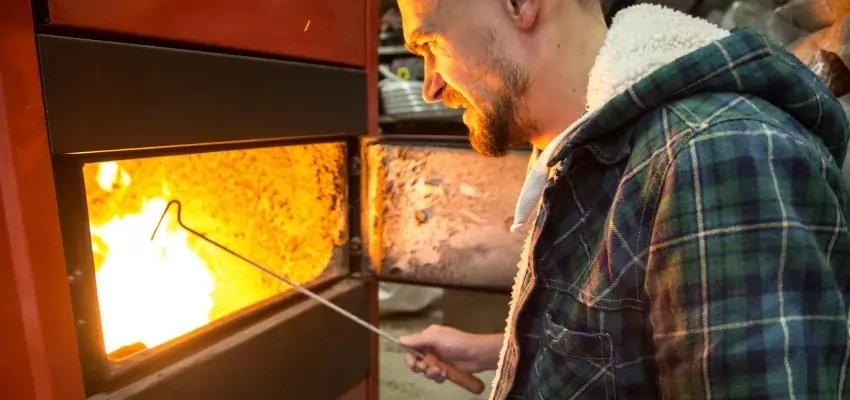
A recent look at the parts of a home buyers ask about can make a sale go more smoothly. We can fit fireplace service around showings, inspections or move-in dates. Tell us your timeline and we will plan around it.
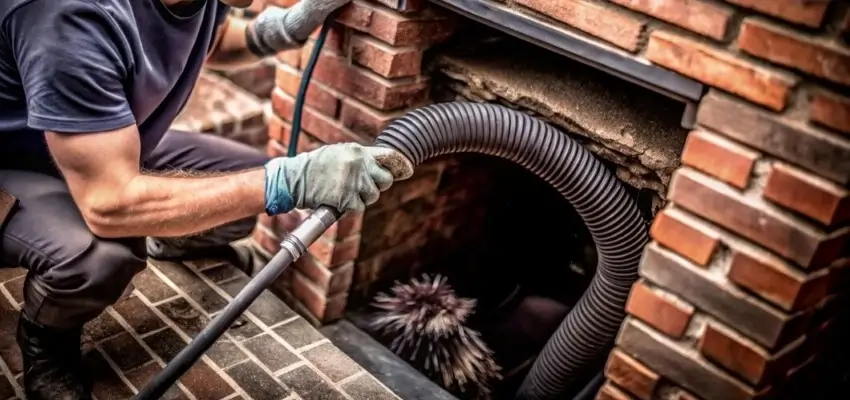
Maple Ridge homeowners: Chimney Cleaning with drop cloths down
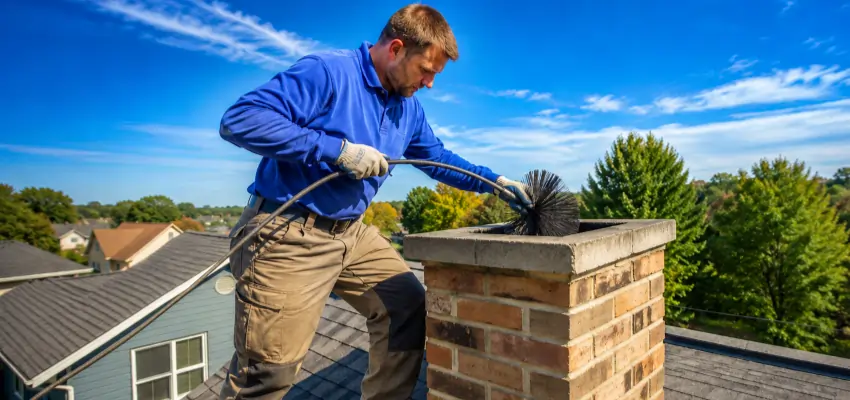
Flue brushed end to end: Chimney Sweep around Maple Ridge
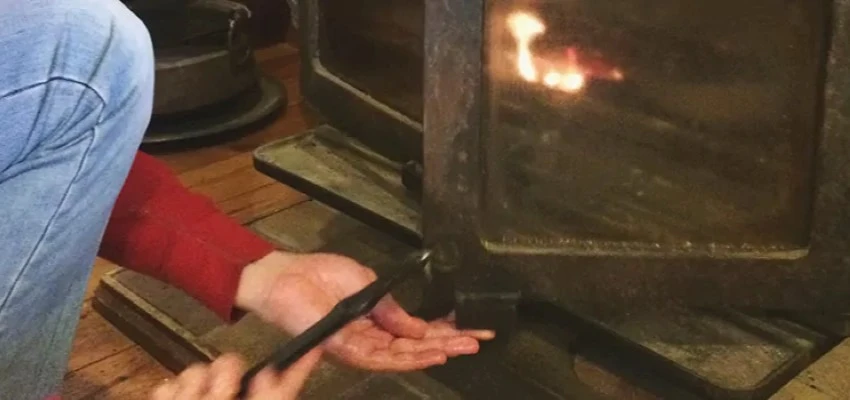
Smoky room or stuck damper? Chimney Sweep Services for Maple Ridge
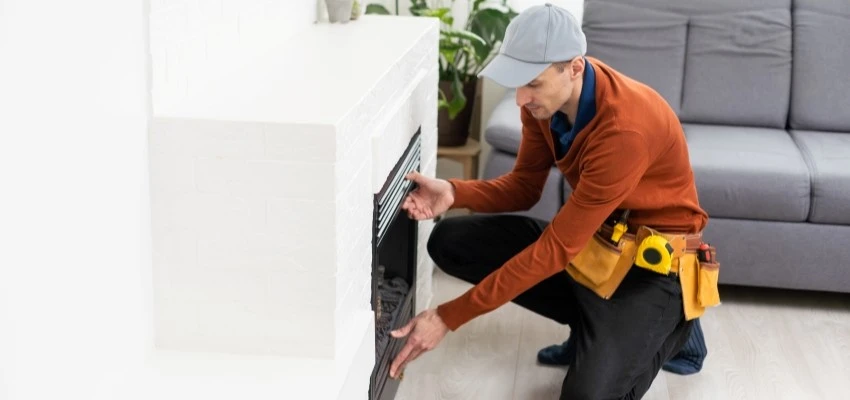
Calm, careful Fireplace Experts for Maple Ridge families
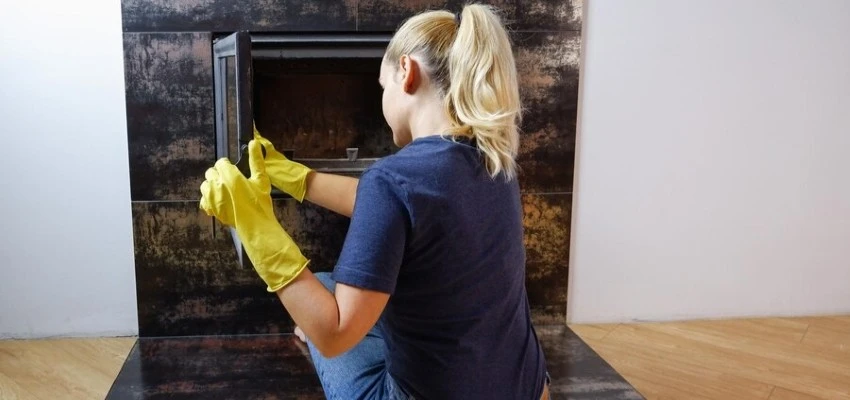
Glass film, cobwebs, dust: Gas Fireplace Cleaning across Maple Ridge
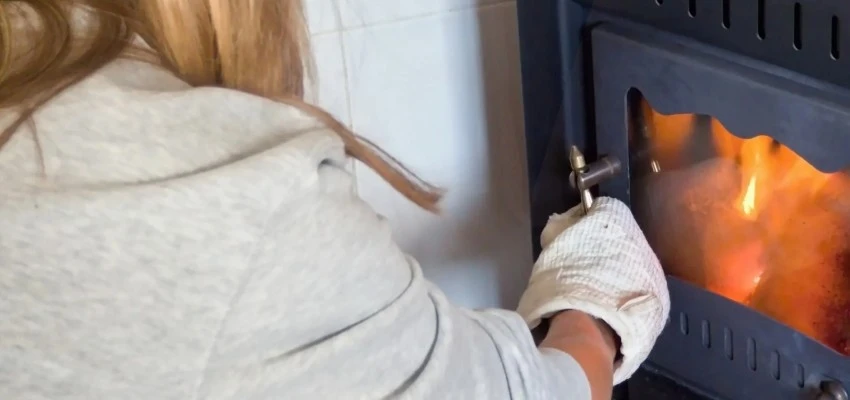
Gas Fireplace Maintenance: a checklist, not a quick wipe