
Let us know what you are noticing with your fireplace or flue, and our team will reply with pricing for Fireplace Vent Cleaning Maple Ridge
Some households light a fire every evening all winter; others use theirs a handful of times a year. Both need attention, just on a different schedule. Whatever your routine, if you have been looking up “fireplace vent cleaning”, this page explains fireplace flue cleaning in a way that fits real homes around Maple Ridge, from what wears out first to how often a technician should take a look at your fireplace.

On a wood-burning fireplace, the vent is the flue: the passage inside the chimney that carries smoke and gases outdoors. In a masonry chimney it is usually lined with clay tiles or a metal liner; in a factory-built fireplace it is an insulated metal pipe designed for that unit. Some fireplaces also have a small outside air vent that feeds the fire. When people search for “fireplace vent cleaning”, they generally mean cleaning the flue, though the outside air vent and the chimney cap screen can collect debris too and are worth checking.
They are two different jobs, and we usually do them in the same visit. Sweeping is physical work: brushes and a vacuum clear the flue and everything between it and the fire until the surfaces are clean. Inspecting is looking and judging: we check for cracked flue tiles or firebrick, open mortar joints, a damper that no longer seals, a missing cap and combustible trim sitting too close to the heat. Doing both at once makes sense, because a freshly brushed flue reveals defects that a coated one conceals. The inspection notes are what tell you whether the fireplace is ready for the season.
You know it is time when the flue shows visible buildup or the fire starts behaving differently. With everything cold, shine a flashlight up past the open damper or into the stove outlet: a layer of soot or creosote that you can scrape with a poker is a common sign. Other clues include fires that are harder to start or keep going, smoke lingering in the room, a strong smoky smell, black flakes falling onto the hearth and stove glass that darkens quickly. If nobody remembers the last cleaning, that alone is a good reason to book one.
Yes. When the flue is blocked by a nest, fallen debris, collapsed liner pieces or heavy creosote, smoke and gases have nowhere to go but back into the room. Carbon monoxide can build up even when little smoke is visible, which is why working alarms matter in any home with a fireplace. Signs of a blockage include a fire that smolders, smoke that rolls out of the opening and a smell that lingers after the fire is out. Stop using the fireplace and book “fireplace vent cleaning” before lighting another fire.
Very little soot should reach the room when the job is set up correctly. Soot is very fine and rides the slightest air current, so our setup is built around containment. Covers go down first, the opening is sealed, and a vacuum with fine filtration runs throughout, pulling air toward the equipment. Brushing loosens the deposits, which fall into the firebox to be collected rather than scattered. The messiest moments are usually dismantling a stovepipe or reaching past a stubborn damper, and we slow down there. Before packing up, we vacuum the hearth and check the floor around it.

We take care of the smell by removing its source first and then cutting off its path indoors. Cleaning removes most of the odor-producing deposits, including the sticky layer that builds up on the smoke shelf or behind a stove baffle. Then we look at why air is flowing down the chimney: a damper that does not seal, a missing cap letting rain soak the soot, or a house pulling air through exhaust fans. Fixes range from a new damper gasket to a top-sealing damper or a cap. Odor that survives all that sometimes comes from deposits soaked into the masonry, which may call for a deodorizing product applied by the technician.
The schedule depends on how much you burn and how cleanly, more than on the calendar. For a household with occasional fires, a yearly visit usually finds a light layer ready to come out. Someone heating with a stove every day may need cleaning before the season ends, especially if the wood is not fully seasoned. Signs between visits help too: black flakes on the hearth, slower starts and darker glass all suggest buildup is growing. Jot down the date of each sweep along with how heavy the deposits were, and after a season or two the right interval becomes clear.
Ashes are cleaned out safely by waiting until they are cold, scooping them into a lidded metal bucket and taking that bucket straight outside. Cold ash only, every time; any warmth deep in the pile means it waits. Once outside, the bucket belongs on bare ground or concrete, where a surviving ember can do no harm. We have seen ash buckets left on wooden decks and in garages, which is exactly where they should not be. Daily stove users may empty the pan every day or two, and ash vacuums made for the job are an option once everything is fully cold.
You can keep things tidy between visits, but the flue is where do-it-yourself efforts fall short. We regularly find chimneys that were brushed from below with a kit that missed the smoke shelf, pushed debris onto a closed damper or knocked soot loose without anyone noticing a cracked tile. Any work on the liner or masonry belongs with a professional. A sensible split is simple: ashes, glass, alarms and firewood are yours; sweeping, inspection and anything structural go to a technician. That division keeps you safe and puts experienced eyes on the parts that matter.

You do not need to know the right terms before you call. Describe the problem in your own words and we will translate it into a plan for your fireplace. Reach us at (778) 910-7487 or ask for a quote online, whichever is easier for you.
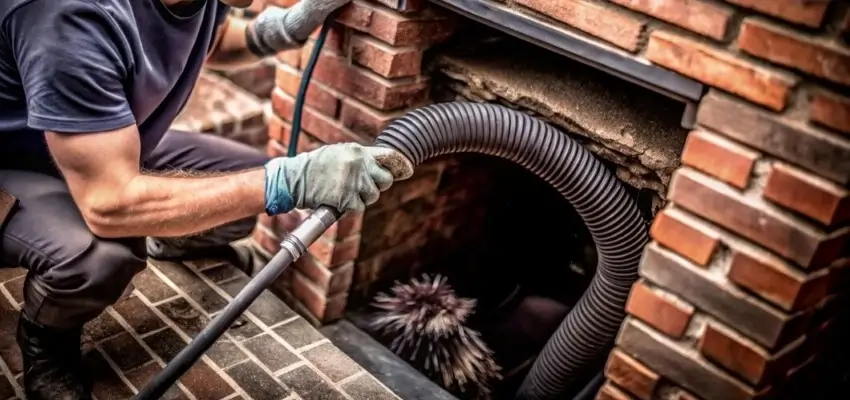
Maple Ridge homeowners: Chimney Cleaning with drop cloths down
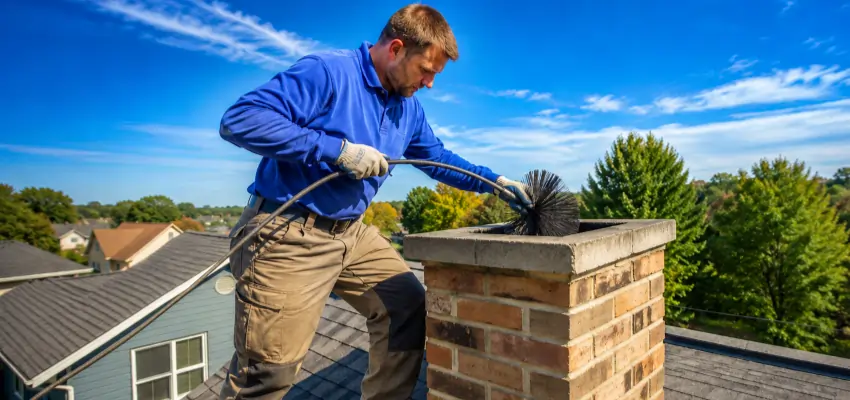
Flue brushed end to end: Chimney Sweep around Maple Ridge
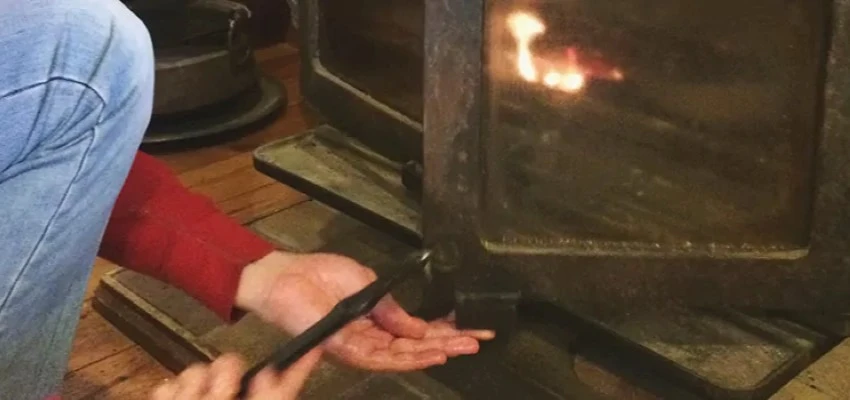
Smoky room or stuck damper? Chimney Sweep Services for Maple Ridge
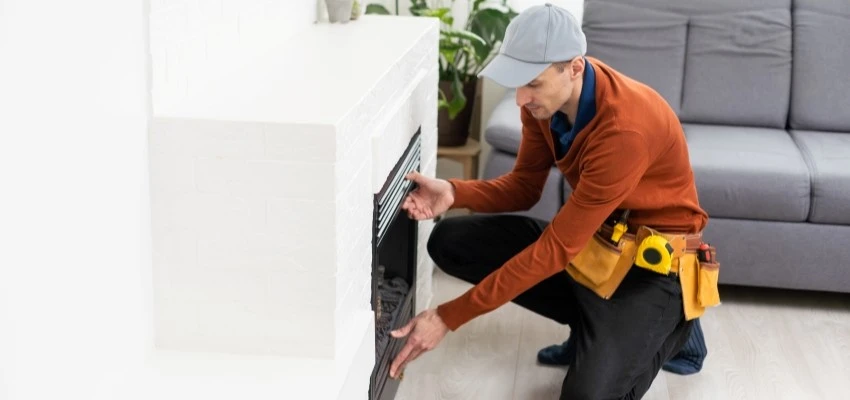
Calm, careful Fireplace Experts for Maple Ridge families
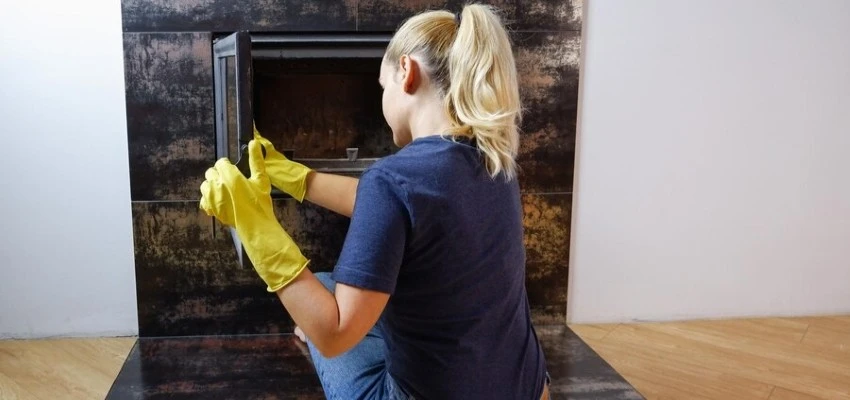
Glass film, cobwebs, dust: Gas Fireplace Cleaning across Maple Ridge
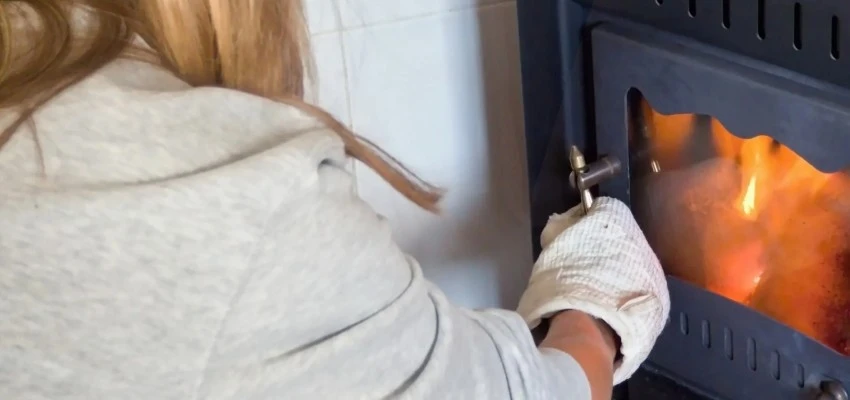
Gas Fireplace Maintenance: a checklist, not a quick wipe

