
Let us know what you are noticing with your fireplace or flue, and our team will reply with pricing for Fix Blocked Chimney Maple Ridge
Looking after a chimney comes down to a few ideas that are easy to grasp once someone lays them out. Every answer below leads with the point and then gives the reasoning, so you can read one or all of them. It is written for anyone in Maple Ridge who arrived after searching “fix blocked chimney” and wants to understand blocked chimney clearing well enough to ask good questions and spot a vague answer.

Creosote is the residue that forms when wood smoke cools on its way up the chimney and its tars, gases and moisture condense on the flue walls, and it is dangerous because it burns easily and very hot. A thick layer can catch from a stray spark or an unusually hot fire, and the resulting chimney fire can crack liners and push heat toward nearby framing. Creosote builds faster with damp wood, smoldering fires and chimneys on cold outside walls. It may look like black flakes, a sticky tar or a hard, shiny glaze. If you see any of these on the damper or around the firebox, book a sweep.
The obvious signs are noise, smoke and flames at the top, but the ones we look for are what a fire leaves behind. Creosote that has burned swells into a light, porous crust that looks a little like charcoal sponge. Clay tiles crack or shift, metal liners and caps can buckle or turn blue, and the mortar near the top may show heat damage. We sometimes find these marks in chimneys whose owners had no idea anything happened, because a slow fire can burn out on its own. That is why a camera inspection is the usual next step whenever there is any doubt about a past fire.
Black flakes dropping from the damper, a sluggish fire and a campfire smell that hangs around are the signs we see most, and any owner can spot them. When we open a damper and a shower of debris comes down, the flue is overdue. A fire that sulks, needs constant coaxing or leaves a haze in the room tells us the draft is restricted somewhere. A sharp odor long after the last fire usually comes from deposits in the flue. We also ask about the calendar: if nobody remembers when the chimney was last swept, that alone is reason enough to book a look before the next fire.
A chimney that blocks again and again usually has an underlying cause that was never fixed. The most common is a missing or poorly fitted cap, which lets leaves, nests and animals in repeatedly. Overhanging branches feed debris into the opening. A deteriorating liner sheds tile pieces or mortar into the flue, and heavy creosote can flake off in sheets if burning habits stay the same. Clearing it each time deals only with the symptom. If you searched for “fix blocked chimney” hoping to solve it for good, ask the technician what caused this blockage and what would stop the next one.
A blocked chimney is cleared by first finding where the obstruction sits, often with a camera, and then breaking it up and removing it with rods, retrieval tools and a strong vacuum, working gently enough to protect the liner. Some blockages come out through the fireplace or stove opening; others are easier to reach from the roof. Once the flue is open, it is swept and checked again, because whatever caused the problem, such as a broken tile or a missing cap, still needs fixing. Avoid poking at a blockage yourself with poles or a hose, which can jam it tighter or crack the flue.

Usually not. Most blockages are made of debris such as leaves, nests or fallen creosote, and once that is cleared the chimney often works normally again with nothing more than a sweep and a new or refitted cap. Bigger work comes into play only when the blockage was caused by the chimney breaking down, for example flue tiles that have cracked and slid or a liner that has come apart. Even then, relining the flue is a far more common answer than rebuilding the chimney. Ask to see camera footage before agreeing to anything large after blocked chimney clearing, since it shows plainly whether the structure is part of the problem.
We tell most owners to plan on a yearly visit and let the findings set the sweeping schedule. If we pull out a heavy load after one season, the chimney should be checked sooner next time; if the flue is lightly coated, stretching the interval is reasonable. Fuel and habits matter more than the calendar. Dry hardwood burned hot leaves far less behind than damp wood or a stove turned down overnight, and inserts and stoves often need attention more often than open fireplaces. Keeping a note of each visit and what came out makes the right rhythm for your chimney easy to see.
We ask owners to leave the appliance off until we have cleared the flue, even when a fire seems to burn normally. A partial blockage is deceptive: on a mild day the draft may carry most of the smoke, then on a cold or windy night it fails and the room fills. We also see cap screens clogged solid with creosote, especially above wood stoves, which chokes the draft without any nest or debris inside. Nests above the damper can catch fire from below. While you wait, keep the damper shut so nothing falls into the room, and note any smells or sounds to tell us when we arrive.
A good report names the appliance and flue, rates each component, describes any deposits and backs it all with captioned photos, so that a stranger could read it a year later and understand exactly what we saw. We state clearly whether the system is ready to use as it is. Repairs are listed separately, each with a short reason and its urgency, and we also note what is in good shape, since that matters when future visits are compared. If you receive a report full of alarming terms without photos or explanations, it is fair to ask for both. The point is to leave you better informed, not more worried.

You can contact us just to ask whether a visit makes sense. If the answer is no, we will say so. If it is yes, we will explain why. Reach Chimney Sweep Maple Ridge at (778) 910-7487 for an honest opinion about your chimney.
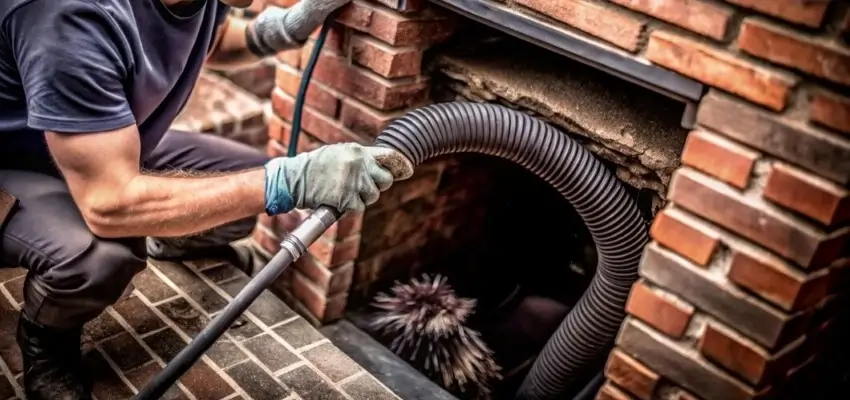
Maple Ridge homeowners: Chimney Cleaning with drop cloths down
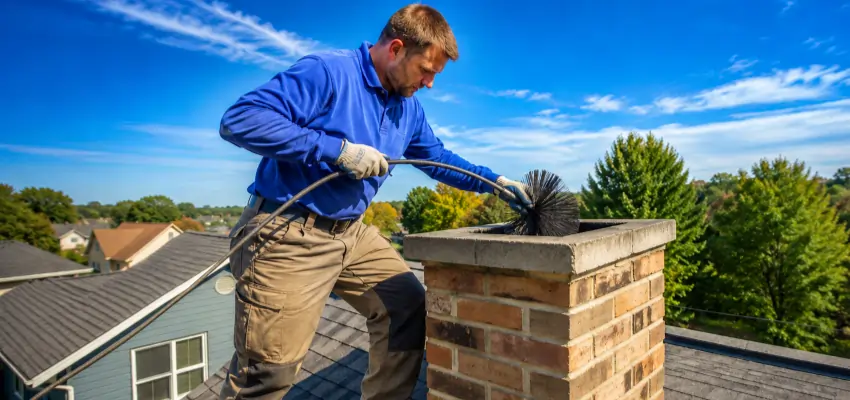
Flue brushed end to end: Chimney Sweep around Maple Ridge
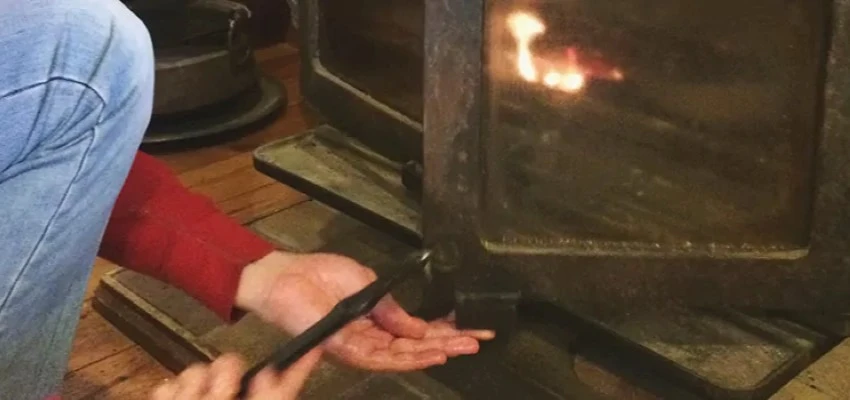
Smoky room or stuck damper? Chimney Sweep Services for Maple Ridge
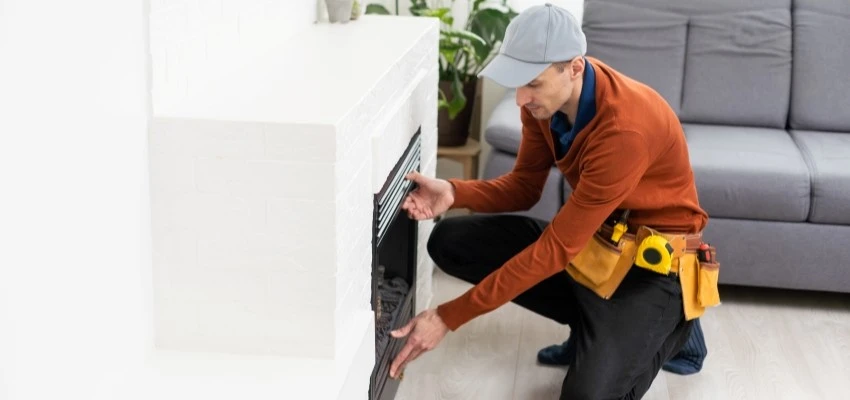
Calm, careful Fireplace Experts for Maple Ridge families
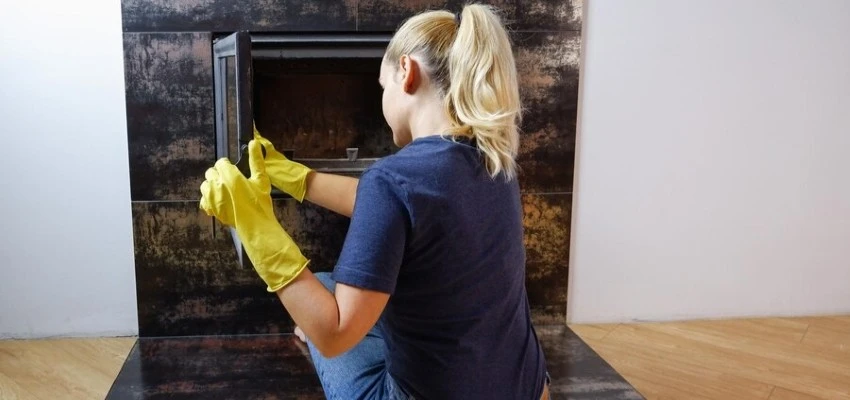
Glass film, cobwebs, dust: Gas Fireplace Cleaning across Maple Ridge
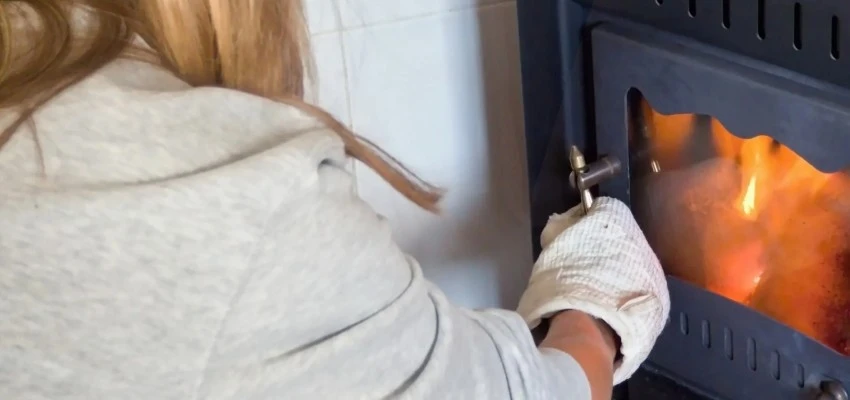
Gas Fireplace Maintenance: a checklist, not a quick wipe

