
Let us know what you are noticing with your fireplace or flue, and our team will reply with pricing for Gas Fireplace Cleaning Maple Ridge
Many people only think about their gas fireplace on the first chilly evening of the year, which is exactly when small faults decide to show up. A pilot that will not stay lit, a remote that does nothing or glass clouded with a white haze can spoil the moment. If “gas fireplace cleaning” is what brought you here, read on for clear answers about gas fireplace tune-up and cleaning for homes in Maple Ridge, from what causes common problems to what a service visit actually includes.

Yes, regular service is worth it, because most of the faults we are called out for start small and grow quietly. A pilot slowly coated with dust burns weaker each season until its sensor no longer gets hot enough. A vent cap with a bird nest or spider webs restricts exhaust. Glass gaskets dry out and stop sealing evenly. None of these announce themselves, and a homeowner rarely sees them from the front of the unit. A routine visit once a year lets us clean, measure and adjust before the fire becomes unreliable, and it gives you a chance to mention anything that has seemed different lately.
Yes, a gas fireplace can produce carbon monoxide if the gas does not burn cleanly or the exhaust cannot leave the house properly. A blocked vent, a damaged gasket, logs knocked out of position or a burner clogged with debris can all contribute. Carbon monoxide has no color or smell, so you will not notice it on your own. Keep working carbon monoxide alarms on each level of the home and near bedrooms, test them regularly and have the fireplace serviced on a schedule. If an alarm sounds, get everyone outside into fresh air and call 911 from there.
Good flames rise evenly from the burner ports, dance a little and stay clear of the glass, and we judge them by shape and steadiness as much as by color. When flames roll toward one corner, the vent may be drawing unevenly or a gasket may be letting air in. Flames that are short and pale often mean the burner is not getting full gas pressure, while tall, dirty-orange flames that leave soot suggest too little air. Comparing what we see with the description in the owner’s manual tells us whether the fire is behaving as intended or needs correction.
A gas fireplace usually refuses to light because of a power, signal or ignition problem rather than anything dramatic. Start with the safe checks: replace the batteries in the remote and, if your model has one, in the battery pack or receiver; confirm the wall switch is on; and make sure the home’s gas service is working by checking that another gas appliance lights. If the unit runs on household power, look at the breaker. Beyond that, the cause is often a dirty pilot, a worn sensor or an igniter that no longer sparks, and those parts belong to a qualified gas technician. If you smell gas at any point, leave and call the utility from outside.
A gas fireplace service typically includes cleaning, inspection and a test run. The technician shuts off the gas to the unit, removes the glass front and cleans the inside of the glass, the logs or media and the firebox. The burner and pilot are cleared of dust and debris, the logs go back in their correct positions and the glass gasket is checked. Ignition, safety sensors and controls are tested, gas connections are checked for leaks and the outdoor vent termination is looked at for blockages. Finally, the fireplace is run to confirm a clean, steady flame and a proper shutdown.

Cleaning usually covers the glass, the firebox interior, the logs or decorative media, the burner surface, the pilot assembly and the area around the controls, plus the louvers and any fan. Other parts are inspected rather than cleaned: the gasket around the glass, the gas connections, the vent and its outdoor cap, the safety sensors and the ignition. That split matters, because a visit described only as “gas fireplace cleaning” may or may not include the testing side. Ask whether the price covers both, since a sparkling fireplace with an untested safety shutdown is only half the job.
Most gas fireplace repairs involve the pilot assembly, a thermocouple or thermopile, the igniter, a remote receiver, the control valve or the glass and its gasket, and each one starts with confirming the exact fault. The part responsible is then cleaned or replaced and the whole unit is tested afterward. Some faults turn out to be simple, such as dead batteries or a switched-off receiver. Parts should match the make and model, since gas components are not interchangeable from one fireplace to the next. A sound repair ends with a leak test and a full burn cycle.
A routine gas fireplace service usually takes about an hour, sometimes a little longer for a large unit or one that has not been cleaned in years. Repairs vary more. A simple part swap may fit into the same visit, an intermittent fault can take longer to track down, and a part that has to be ordered means a second appointment. The fireplace also needs time to cool before the glass can come off, so if it has been running, switch it off well before the technician arrives. Plan to be home for the whole visit and for the final test run.
Wait until the fireplace is off and completely cool, then use a vacuum with a soft brush attachment on the outside louvers and grilles above and below the glass. Many fans draw air through the lower louver, so dust there affects how quietly the fan runs and how well it moves warm air. Wipe painted surfaces with a dry or barely damp cloth. Do not reach into the control compartment, remove panels that expose gas parts or spray cleaners into the openings. If the fan is noisy or the lower area is heavy with pet hair, leave the deeper cleaning for your next service visit.

If you have never had this done before, it helps to know what to expect. We walk you through the visit, how long it usually takes and what you will see when we finish. Start with a quote and ask us anything along the way.
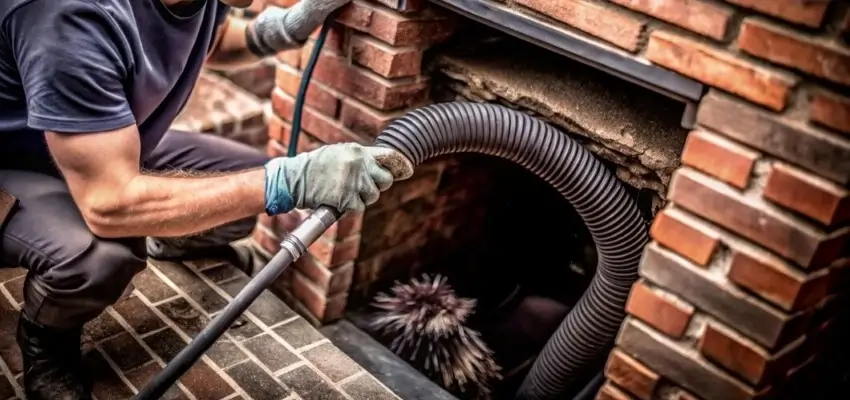
Maple Ridge homeowners: Chimney Cleaning with drop cloths down
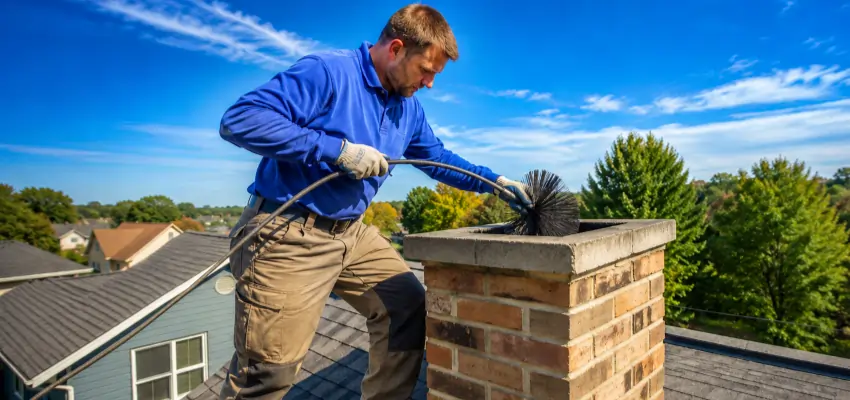
Flue brushed end to end: Chimney Sweep around Maple Ridge
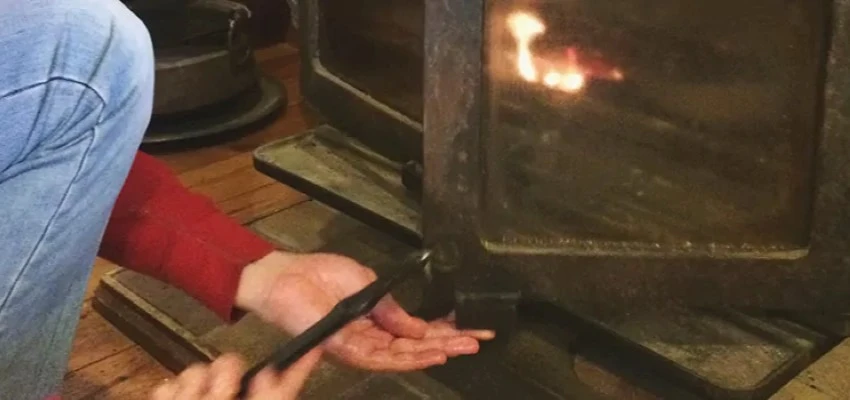
Smoky room or stuck damper? Chimney Sweep Services for Maple Ridge
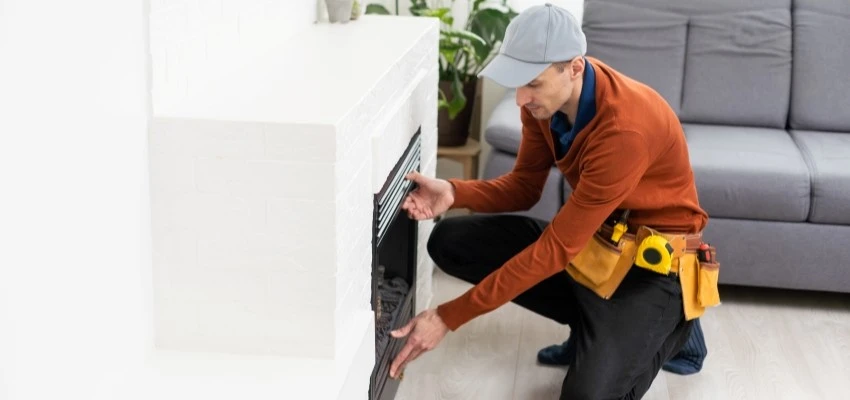
Calm, careful Fireplace Experts for Maple Ridge families
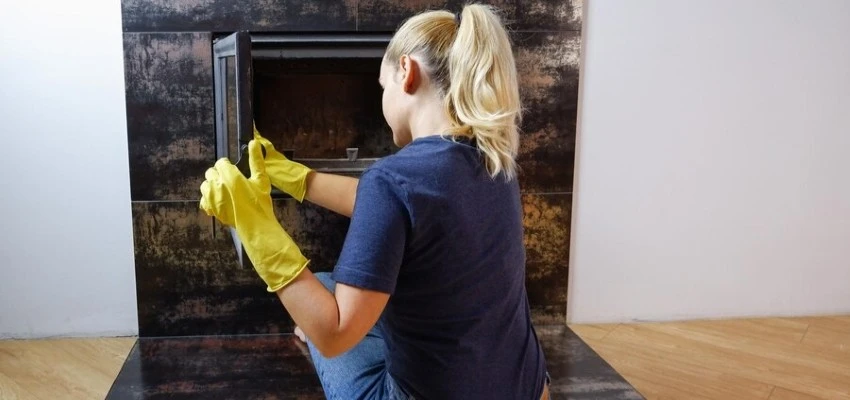
Glass film, cobwebs, dust: Gas Fireplace Cleaning across Maple Ridge
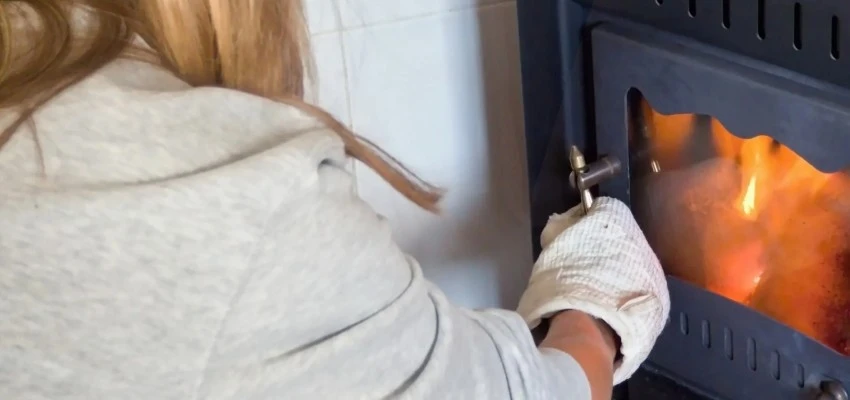
Gas Fireplace Maintenance: a checklist, not a quick wipe

