Let us know what you are noticing with your fireplace or flue, and our team will reply with pricing for Heat & Glo Fireplace Repair Maple Ridge
Fireplaces and stoves tend to show their faults when they go back to work after a long rest: a pilot that will not catch, glass that clouds over or, on a wood unit, smoke that puffs out when the door opens. If that sent you looking for “heat & glo fireplace repair”, you are in good company, and most of these problems have ordinary explanations. Below, households in Maple Ridge will find practical answers about Heat & Glo gas fireplace repair: what tends to wear out, what a technician checks and what you can safely look at yourself.

Usually, yes, provided the structure is healthy. When we assess an older unit, we look past the symptom to the shell: is the firebox intact, is the glass frame straight, are the vent connections solid? If those check out, repairing it is normally the sensible route. The picture changes when a gas control has been discontinued with no approved substitute, when steel has corroded from condensation, or when a stove has been overfired until its plates warped. In those cases we compare what it would take to keep it running with the option of replacing it, and the decision stays with you.
A rotten-egg smell, a strong smoky odor in the room, a bang or whoosh when the burner lights and a grinding blower are the ones to take seriously. If you smell gas, do not touch switches or the fireplace controls; leave the home and call your gas utility from outside. For a delayed, booming ignition or smoke that keeps escaping, stop using the unit and book a check. Some sounds and smells are normal, though: light ticking as metal heats and cools, and a paint or oil smell during the first fires after new parts are fitted. Working carbon monoxide alarms add an extra layer of protection.
Clicking with no flame means the igniter is sparking but the pilot is not catching. Many built-in gas fireplaces, including plenty of the units behind “heat & glo fireplace repair” searches, use electronic ignition that lights the pilot only when heat is called for. The usual suspects are a pilot hood clogged with dust, a worn or misaligned spark electrode, air in the gas line after a long idle spell, a supply valve left closed after other work or a control module that is failing. Let it click for a short while only, then switch it off. Repeated attempts are not a fix, and a qualified gas technician should trace the cause.
Most branded fireplaces wear out in predictable places, whatever name is on the front. Typical problems include:
None of these is unusual, and most can be repaired once the cause is confirmed.
A thorough gas fireplace check covers the parts that keep the flame clean and the exhaust moving outdoors. Typical steps include cleaning the pilot assembly and burner, testing the ignition and flame sensor, checking gas connections for leaks and confirming the flame looks right. On sealed units, the glass is removed, cleaned and its gasket inspected. Logs or decorative media are set back in the layout the manual shows, since misplaced pieces cause soot. Outside, the vent termination should be clear of nests, plants and debris. Ask for a short summary of what was found and anything that needs attention.
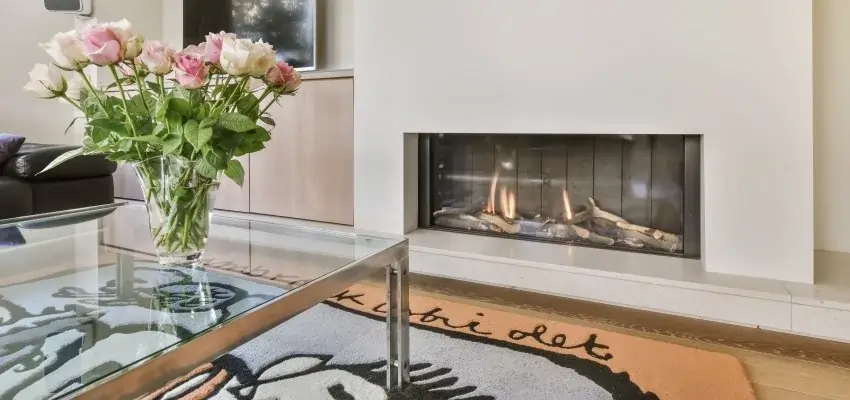
Many fireplace repairs are finished in a single visit of an hour or two, especially when the problem is a common wear part the technician carries. Longer visits happen when the fault is intermittent, when an insert has to be pulled forward or when several issues turn up together. If the needed part is not in stock, expect a diagnosis visit followed by a second appointment once it arrives, which can take days or weeks for older or less common models. Ask for a realistic timeline before work starts, especially if you rely on the fireplace for heat.
Once a year suits most households, and we adjust from there. A gas fireplace that runs every evening through the colder months collects more dust in the burner and more wear on its ignition than one lit a few times a season. A wood stove used as a main heat source may need its flue swept more than once in a winter. We note what we find at each visit, such as how dirty the burner was or how much creosote came out, and suggest the next date from that. Your manual’s recommendation is the baseline; your usage fine-tunes it.
That depends on the model. Fireplaces with electronic ignition need power for the spark and controls, and many are designed to accept a battery backup so they can still light when the electricity goes out; your manual says whether yours has one and where the batteries go. Older standing-pilot designs make their own small current from the pilot flame, so they often keep working, although blowers and lights stop. If yours will not light during an outage, do not force it. Note the behavior and mention it when you book Heat & Glo gas fireplace repair, because a backup that has quietly failed is a common find.
After a repair, the unit should start and run normally, though a brief smell from new parts, gaskets or paint is common during the first hour or two of use. Open a window and let the fireplace run for a while to help it burn off. Ask the technician what was replaced and keep that note with your manual. Watch the flame or fire for the first few uses: it should look steady and clean, without soot on the glass. If the original problem returns or a new symptom appears, call back promptly rather than waiting for it to settle.
A good visit looks at the whole system around your fireplace, not just the part you asked about. That is how Chimney Sweep Maple Ridge approaches every home in Maple Ridge. Book Heat & Glo gas fireplace repair and get a complete, honest overview of where things stand.
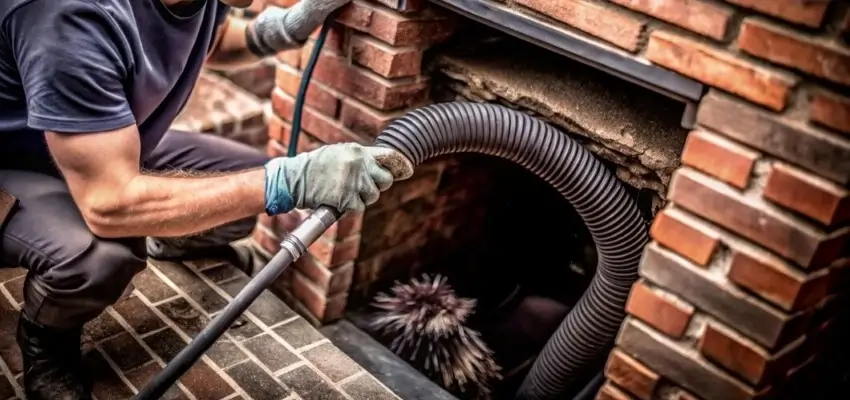
Maple Ridge homeowners: Chimney Cleaning with drop cloths down
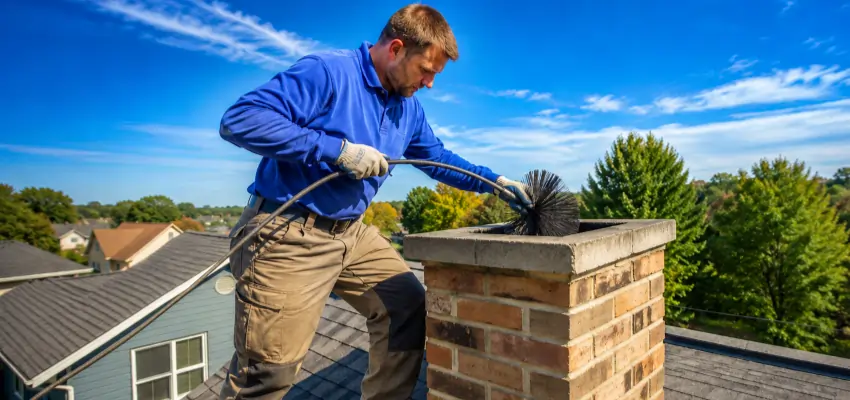
Flue brushed end to end: Chimney Sweep around Maple Ridge
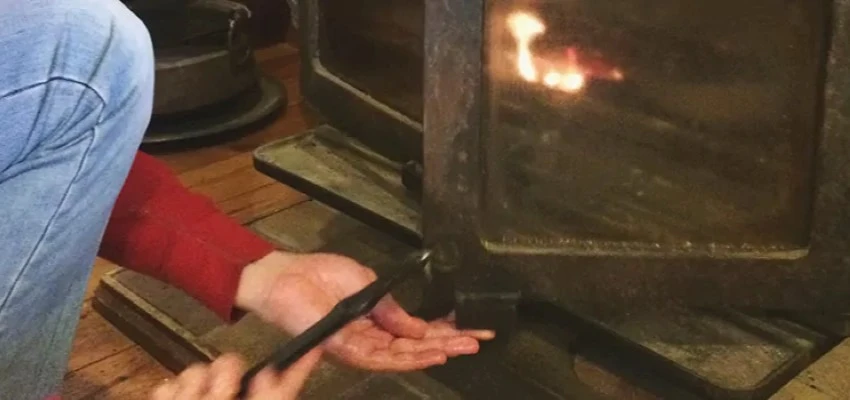
Smoky room or stuck damper? Chimney Sweep Services for Maple Ridge
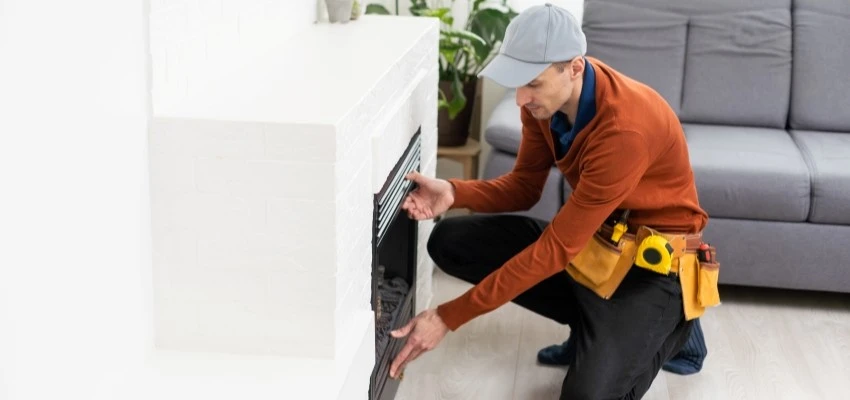
Calm, careful Fireplace Experts for Maple Ridge families
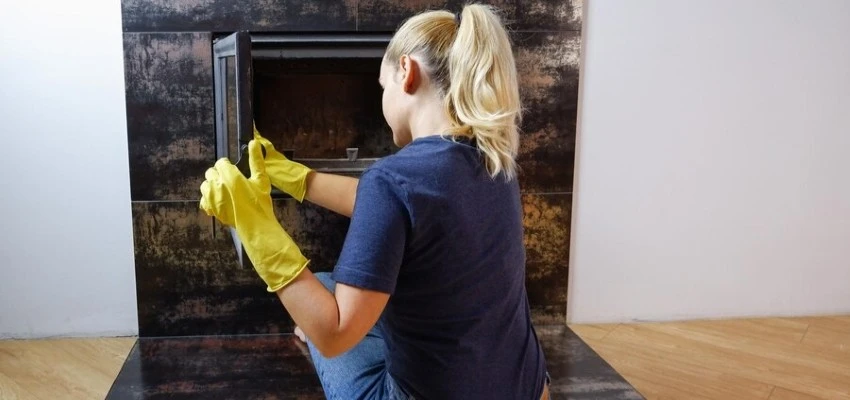
Glass film, cobwebs, dust: Gas Fireplace Cleaning across Maple Ridge
Gas Fireplace Maintenance: a checklist, not a quick wipe