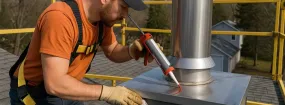
Let us know what you are noticing with your fireplace or flue, and our team will reply with pricing for Prefab Chimney Installation Maple Ridge
Houses change over time. Fireplaces get converted, rooms are added, roofs are replaced and old chimneys are left doing jobs they were never designed for. When that happens, a search for “prefab chimney installation” is a natural next step. Here you will find practical answers about factory-built chimney installation for homes in Maple Ridge, written to help you weigh your options calmly before you commit to anything or anyone climbs a ladder.
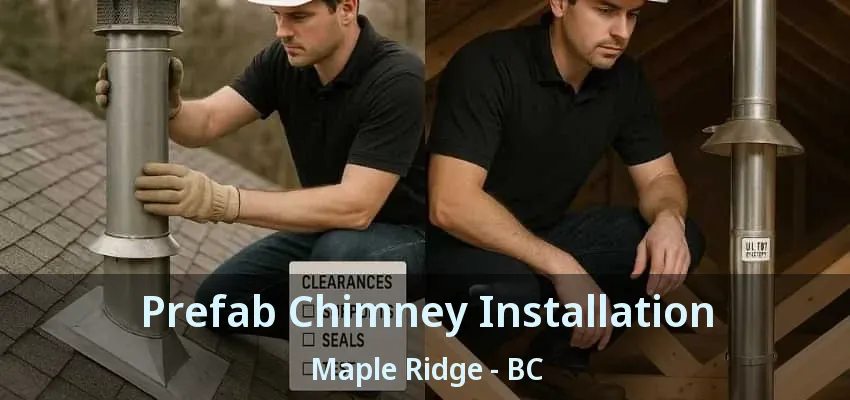
Usually when a new fireplace or wood stove is being added where there is no chimney, or when an existing prefab chimney has worn out, been damaged or no longer matches the appliance. Common signs of a worn system include rust, separated pipe sections, a damaged cap or chase cover and warped parts after a chimney fire. Factory-built chimneys are also used on additions and basements where a masonry chimney would be impractical. If you are researching “prefab chimney installation”, start by confirming exactly which fireplace or stove the chimney will serve, since that decides which system can be used.
A chimney is an engine that runs on temperature difference, and most of the problems we fix come from something upsetting it. Hot exhaust in the flue is lighter than the outdoor air, so it rises and draws combustion air into the firebox. A cold, oversized or leaky flue weakens that pull; a cap clogged with soot, a nest or a top that sits below a nearby roof peak can block or even reverse it. That is why we care about the height of the stack, the size and condition of the flue and whatever is sitting on top. Get those right, and smoke goes where it should.
The clearest signs are water, debris and smoke where they do not belong. Watch for damp stains near the chimney, flakes of tile or brick in the firebox, rust on the damper or cap, a fireplace that smokes into the room and loose or leaning pieces at the top of the chimney. Outside, white staining on brick, gaps in mortar and plants or moss growing on top are worth noting. Any smell of smoke in rooms next to the chimney, or a carbon monoxide alarm, means stop using the appliance and have it checked before it is lit again.
A careful crew protects your home by covering the hearth and nearby floor, sealing the fireplace opening when soot or dust could escape and using vacuums with fine filters for any debris. Outside, tarps go over shrubs, decks and roof sections where tools or materials sit, and ladders are padded where they touch gutters or siding. Some jobs create very little mess, while others, such as removing old flue tiles, produce more. Ask what protection is planned for your job, and move valuables and furniture away from the fireplace before the crew arrives.
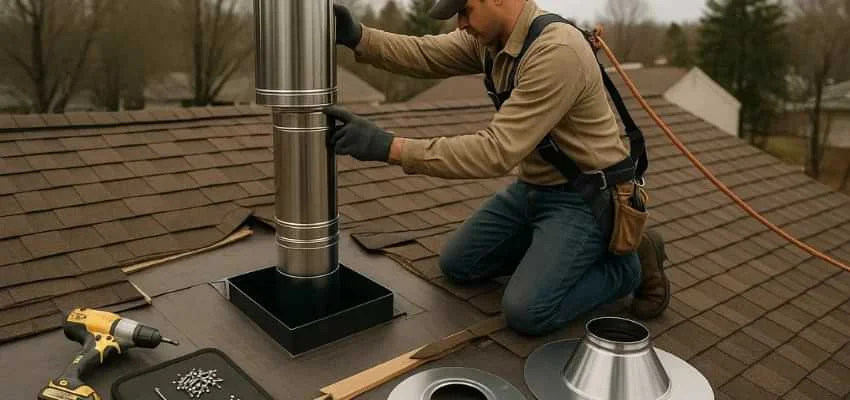
It goes in from the appliance up, after careful planning: we match the chimney system to the fireplace or stove, measure the route and check the framing above for joists, wiring and ducts in the way. Then we cut and frame openings, set firestops at each floor or ceiling, assemble the pipe and support it at the intervals the manual requires. On the roof we flash the penetration, fit the storm collar and termination cap and confirm the height above the roof. A simple run often finishes in a day; a run that needs a new chase takes longer.
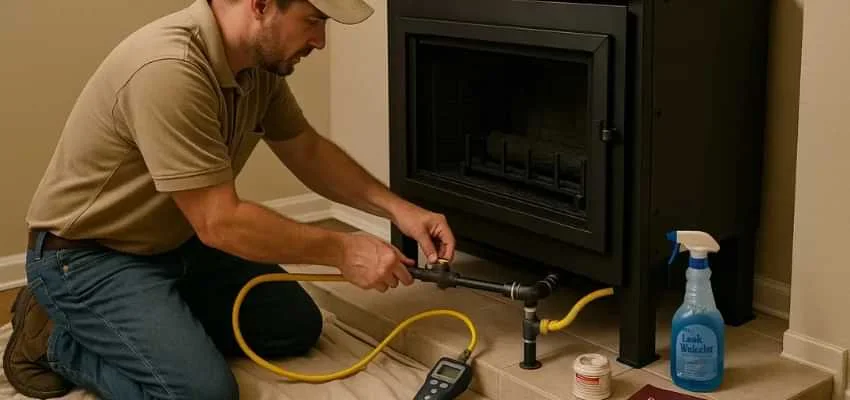
Many chimney jobs take a single day, while larger projects can run several days or more. Fitting a pot or cap, applying a water repellent or making a small flue repair is usually done in one visit. Relining a flue or installing a factory-built chimney often takes a full day, sometimes two. Remodeling, rebuilding or replacing large sections of masonry stretches longer, because mortar and concrete need curing time between steps. Weather can add days to any outdoor work. Ask for both the hours on site and the total span from start to finish.
Our estimates come down to labor, access and parts, with an allowance for what the chimney might be hiding. Labor depends on how many steps the job has and whether curing time stretches it over several days. Access depends on the roof and the yard: steep slopes, tall stacks and tight spaces add setup. Parts range from a repellent or a clay pot to a full liner or a factory-built system that has to match the fireplace. We would rather explain all of that before the job than surprise you halfway through, so we price each part separately.
Plan the route and the finish together. Decide where the fireplace or stove will sit, then check what lies above it, such as joists, wiring, plumbing or ducts, because the chimney needs a clear path with the required space to combustible materials. Think about how it will look outside: a metal pipe with a cap, or a framed chase finished to match the siding. Ask whether a permit or inspection is required where you live. Sharing photos of the room and roof when you request quotes for “prefab chimney installation” helps the installer plan accurately.
Choose a chimney contractor that inspects before quoting, explains the cause of the problem and shows you evidence. Look for a company that does the specific work you need, whether flue repair, chimney pots, waterproofing or factory-built chimney installation, and ask to see photos of similar jobs. A clear written quote, a realistic timeline and an explanation of how the home will be protected are good signs. Read recent reviews for comments about communication and tidiness. Be cautious with anyone who pushes a large job without photos or pressures you to decide on the spot.
We work with people who live in their homes and with people who look after rental units around Maple Ridge. Either way, you get a clear explanation of the work and what we found. Request a quote for one home or several and we will plan the visits with you.
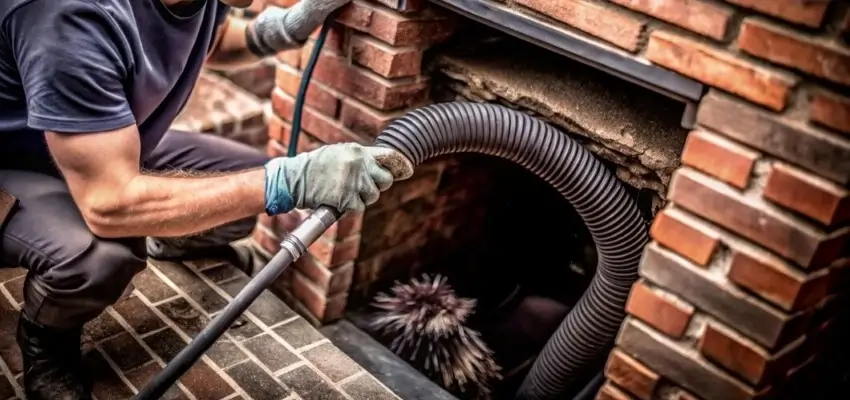
Maple Ridge homeowners: Chimney Cleaning with drop cloths down
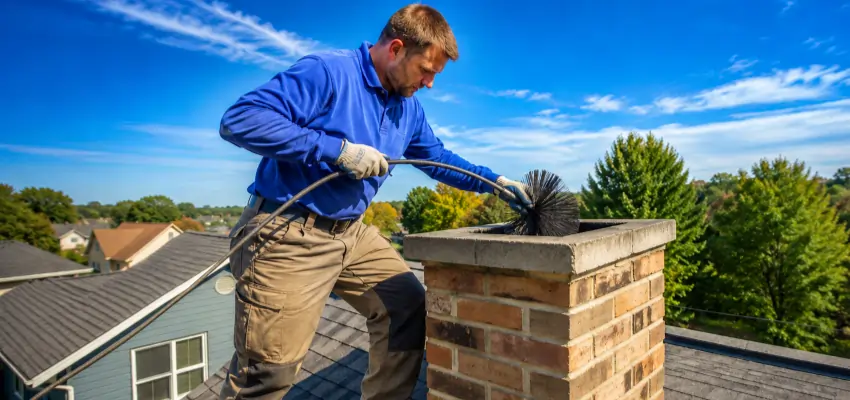
Flue brushed end to end: Chimney Sweep around Maple Ridge
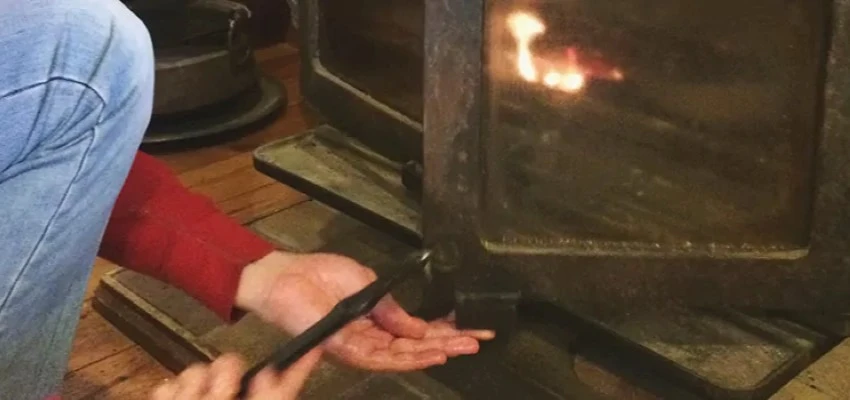
Smoky room or stuck damper? Chimney Sweep Services for Maple Ridge
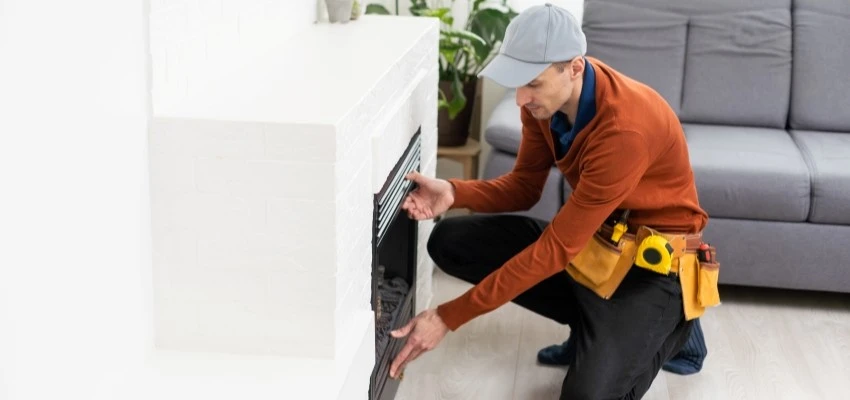
Calm, careful Fireplace Experts for Maple Ridge families
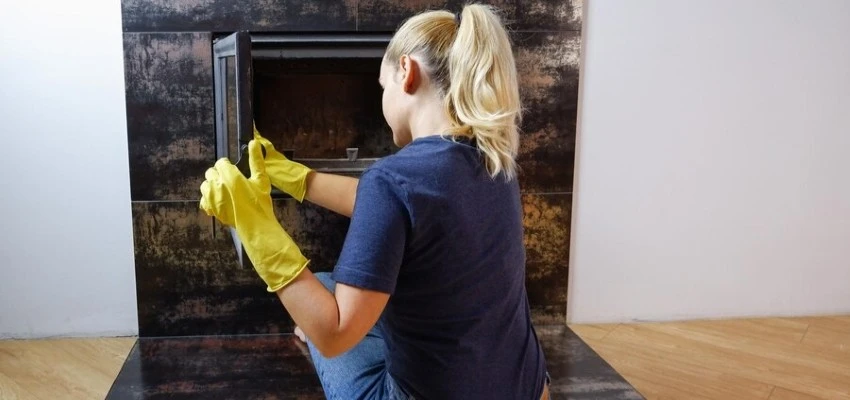
Glass film, cobwebs, dust: Gas Fireplace Cleaning across Maple Ridge
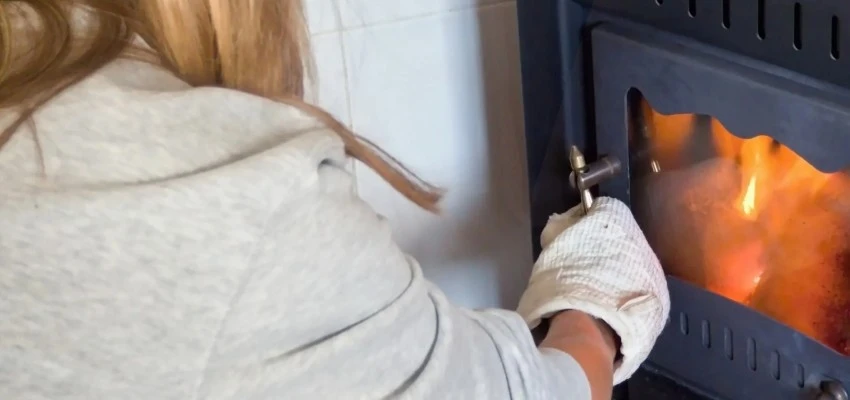
Gas Fireplace Maintenance: a checklist, not a quick wipe