
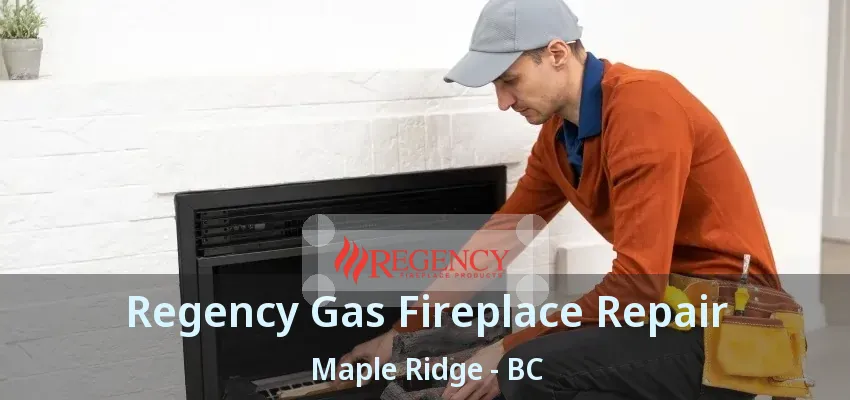
Ignition, valve, burner, controls, and venting on these fireplaces and inserts across Maple Ridge are work for a licensed gas fitter, and that is who Chimney Sweep Maple Ridge sends. Fronts, interiors, media appearance, fans, and lights are on the appliance page. Here we cover the control generations, the faults behind most calls, the venting, and the steps of a gas visit.
Older Liberty, Panorama, and Sunrise units, and some current models with a C suffix and an on/off remote, use a standing pilot and a millivolt valve. The pilot burns continuously, its thermopile powers the valve, and the fireplace works without household power. A no-heat call on one of these leads to the pilot hood, the thermocouple, the thermopile under load, and the switch wiring.
Models with an E in the suffix use electronic ignition. Bellavista and several Horizon units pair it with the Proflame I GTMF handset, while current Grandview EC and EH models, the G1200, and the Ultimate line use Proflame II GTMF. The GTMF handsets combine a room thermostat, flame height modulation, and fan control; Proflame II adds lighting and finer adjustment. Their faults begin in the electronics: receiver batteries, pairing, the flame sensor, and the module, with the valve examined last.

Once the generation is known, the symptoms on these units become fairly predictable. Below are the five we meet most, with the part we test first for each.
Flame drops and rises on its own - a GTMF handset in thermostat mode modulating as the room warms, which is normal operation rather than a fault.
Horizon flame patchy through the crystals - media laid over ports, or fine debris inside the burner under the bed.
Spark but no pilot on an E model - pilot gas not arriving, from a partly closed manual valve or a clogged pilot orifice.
Standing pilot dies in windy weather - a termination facing the wind, or a thermocouple that no longer holds the valve through a gust.
Liberty insert pilot unstable - a liner loose at its collar or a damaged cap on the old chimney.
Should the room smell of gas while the fire is out, shut the appliance valve, keep away from switches and flames, and ring us from outdoors.

Built-in zero-clearance units exhaust through concentric pipe that ends at a cap on an outside wall or the roof. The Liberty, Horizon, and Energy inserts instead breathe through a pair of flexible liners threaded up an existing chimney. Outdoor Horizon units have their own requirements and are inspected separately. On an insert, the liners often take a beating where they pass the old damper frame, and a kink there starves the burner of air. If the chimney above once carried wood smoke, we also look for loose creosote that may have fallen onto the cap or the liner tops.
We trace the full vent route on every gas visit, from the cap back to the collar on the appliance. A wall cap near a deck or a downspout tends to ice over in winter, and a roof cap can collect leaves in autumn. Any fireplace that burns gas should share the home with a working carbon monoxide alarm; if it ever sounds while the fire runs, turn the fire off and let fresh air in before calling.
Our routine runs in a fixed order. Venting comes first, because a restricted path can imitate almost any burner fault. Controls follow, matched to the generation: switch wiring on a standing pilot unit, or handset mode, receiver cells, and pairing on a Proflame model. The pilot flame, thermocouple, thermopile, or flame sensor come next, depending on the generation.
A manometer then confirms supply and burner pressures for the fuel on the plate. The burner is checked last, with media lifted, ports cleared, and media or logs reset before the flame is judged with the front in place. Every fitting we opened gets a leak test before we leave, and the readings are noted for next year. On that routine, these fireplaces give many seasons of steady use. Owners with a Proflame II unit also get a quick walk-through of the handset's thermostat and timer, since many of the calls we receive turn out to be settings rather than faults.
The quickest bookings come with the model code from the plate, the type of handset, and a note of whether the pilot shows. With that we can tell the generation and bring the right receiver, sensor, or pilot assembly for your Regency Gas Fireplace Repair Maple Ridge visit. Chimney Sweep Maple Ridge is licensed for gas work and insured for it, and most gas fireplace repair visits on this brand are completed in one trip.
Dial (778) 910-7487 to arrange gas fireplace repair, or contact us online if writing is easier. A confirmed slot comes back to you with the parts we plan to carry.

Keep your home safe and your chimney spotless in Maple Ridge. Our professional chimney cleaning team removes buildup so your fireplace works as it should.

Experience the difference a thorough chimney sweep can make in Maple Ridge. We clear soot, blockages, and hazards so your home stays warm and secure.

Comprehensive chimney sweep services are just a call away in Maple Ridge. From creosote removal to smoke draft solutions, we’ve got your chimney covered.

Need reliable fireplace solutions in Maple Ridge? Our fireplace experts handle everything from inspections to complete restorations with precision.

Restore the clean, cozy feel of your fireplace in Maple Ridge. Our gas fireplace cleaning removes buildup and leaves your unit running smoothly.

Stay warm all season long with expert gas fireplace maintenance in Maple Ridge. We inspect and service all key components to prevent issues before they start.

