Let us know what you are noticing with your fireplace or flue, and our team will reply with pricing for Regency Fireplace Products Maple Ridge
Many people assume only the store that sold their fireplace can repair it. In practice, independent technicians work on a wide range of brands, guided by the model label and the manufacturer’s instructions. If you searched for “regency fireplace products” because you were not sure who to call in Maple Ridge, read on. You will see how Regency fireplace and stove service usually unfolds, which details speed things up and which warning signs mean the unit should stay off until someone has looked at it.
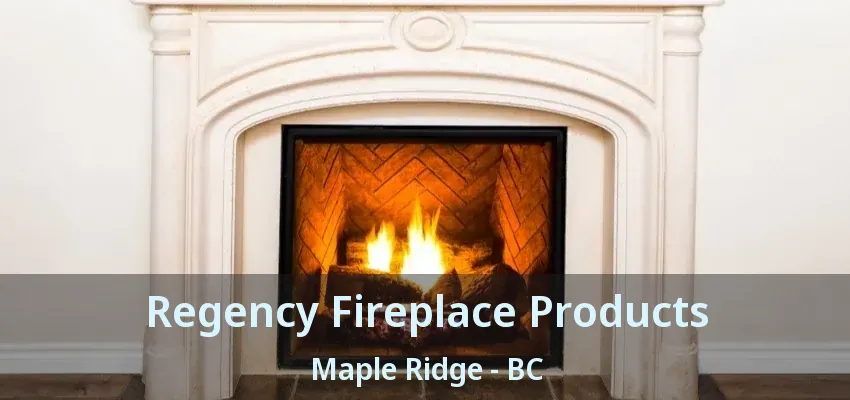
Regency’s range covers gas and wood-burning fireplaces, inserts and stoves, so the answer depends on your home. People searching for “regency fireplace products” often have one of these types in mind without knowing which. The quickest way to tell is the rating label and a look inside: a burner with logs or stones means gas, while firebricks and an air control mean wood. Knowing the type matters for service, because gas units need ignition and venting checks and wood units need seals, baffles and chimney care. Chimney Sweep Maple Ridge services both as an independent company.
A fireplace insert slides into an existing fireplace, while a freestanding stove stands on its own hearth pad, and that difference mostly affects how easily a technician can reach the parts. Both can burn gas or wood. An insert is framed by a decorative surround and connected to a liner running up the chimney, so some repairs mean easing it partway out of the opening. A stove is open on every side and joins the chimney through a visible pipe, which makes many jobs quicker. Knowing which one you have, and mentioning it when you call, helps the visit go smoothly.
A pilot that will not stay lit usually points to a weak flame sensor, a pilot assembly clogged with dust or a draft problem in the venting. On many fireplaces, a small sensor called a thermocouple or thermopile sits in the pilot flame and holds the gas valve open; when it wears out or the flame no longer reaches it, the valve shuts. Low gas supply and a blocked vent can cause the same symptom. Leave the unit off rather than relighting it again and again, and book a technician. If you ever smell gas, leave the home and call your gas utility from outside.
Yes, the accessories that come with or are added to a fireplace, such as blowers, remotes, wall thermostats and decorative surrounds, can usually be serviced or replaced on their own. Blower kits wear out from dust and heat, remote systems lose their pairing or batteries, and thermostats can drift. The key is matching the accessory to your exact model, since kits are designed for specific units. When you book Regency fireplace and stove service, list any add-ons your unit has, so the technician can check them along with the main appliance rather than on a separate visit.
We work from the symptom backward. If a gas fireplace will not light, we watch what it does when you press the button or flip the switch: is there a spark, does the pilot form, does the main burner try? Each step narrows the problem to the ignition, the sensor, the valve or the supply. With a wood stove, the questions are about draft, sealing and wear, and the answers come from the gaskets, the baffle and how the fire behaves. Testing comes before replacing anything, so you are not paying for parts that were never the problem.

Prepare by letting the unit cool completely and clearing the space around it. Turn a gas fireplace off several hours before the appointment, and do not light a wood stove that day so the firebox is cold. Remove decorations, screens, rugs and anything stored on the hearth or mantel, and leave a clear path from the door. If the vent ends outside, make sure the technician can reach it. Have the manual and any past service paperwork ready, keep pets in another room and plan to be home to describe the problem and hear what was found.
Yes, photos often help a technician prepare and bring the right parts. The most useful ones show the rating label, the whole unit from the front, the control area behind the lower grille if it is easy to see, and the flame or fire while it is running. A short video of what happens when you try to start it can reveal a lot. For wood stoves, include the door gasket, the glass and the stovepipe. Do not remove panels or touch gas parts to get a shot. Photos cannot replace a hands-on check, but they can shorten it.
Give the technician the brand, model and serial number, the fuel type and whether it is a built-in fireplace, an insert or a freestanding stove. Then describe the problem as precisely as you can: what happens, when it started, whether it is constant or comes and goes and anything that changed around that time, such as a power outage, new batteries or renovation work. Mention any blinking lights or sounds, and what you have already tried. Photos of the label, the controls and the flame help a lot. Clear details often mean the right part arrives with the first visit.
After a repair, the unit should start and run normally, though a brief smell from new parts, gaskets or paint is common during the first hour or two of use. Open a window and let the fireplace run for a while to help it burn off. Ask the technician what was replaced and keep that note with your manual. Watch the flame or fire for the first few uses: it should look steady and clean, without soot on the glass. If the original problem returns or a new symptom appears, call back promptly rather than waiting for it to settle.
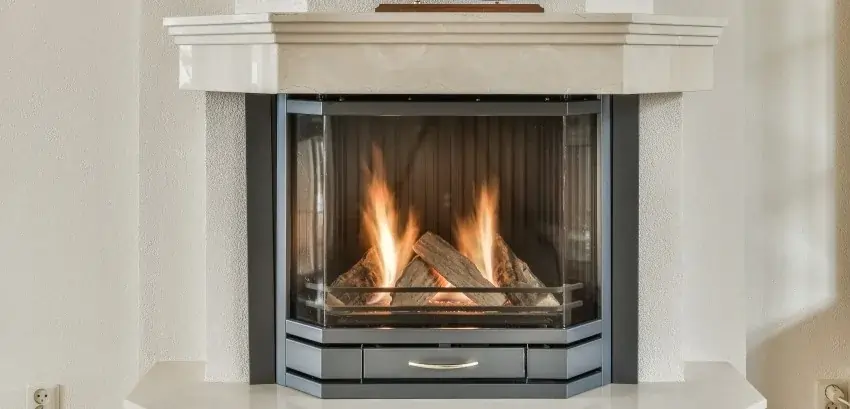
That is a smart move. Ask each company what is included, how long the visit takes and what you will be shown afterward. We are happy to answer those questions in writing. Request a detailed quote from Chimney Sweep Maple Ridge for your home in Maple Ridge.
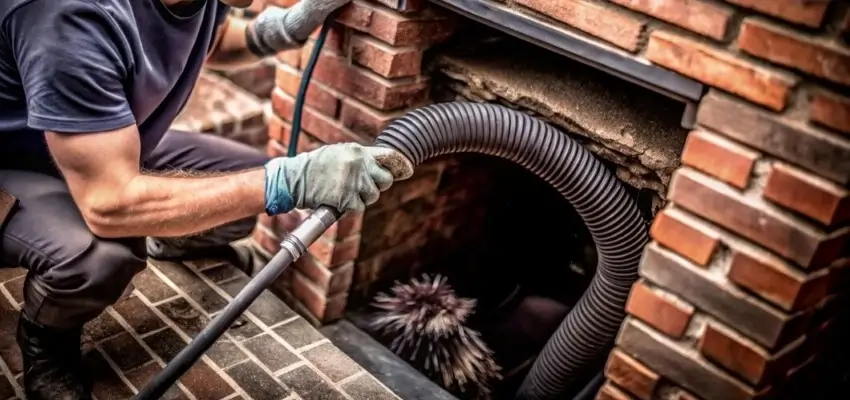
Maple Ridge homeowners: Chimney Cleaning with drop cloths down
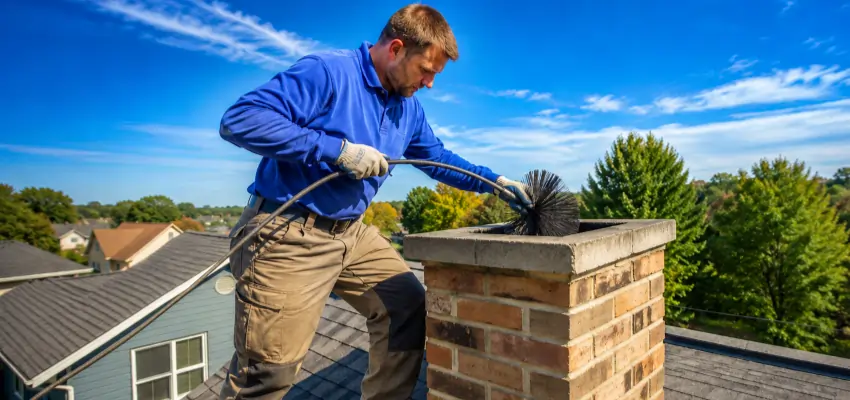
Flue brushed end to end: Chimney Sweep around Maple Ridge
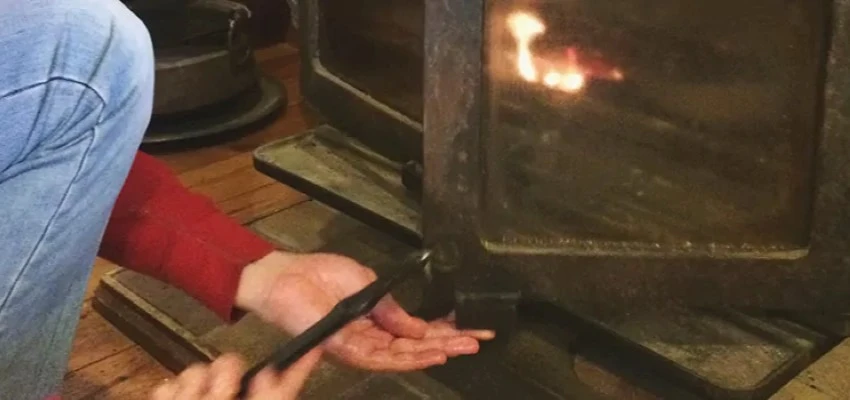
Smoky room or stuck damper? Chimney Sweep Services for Maple Ridge
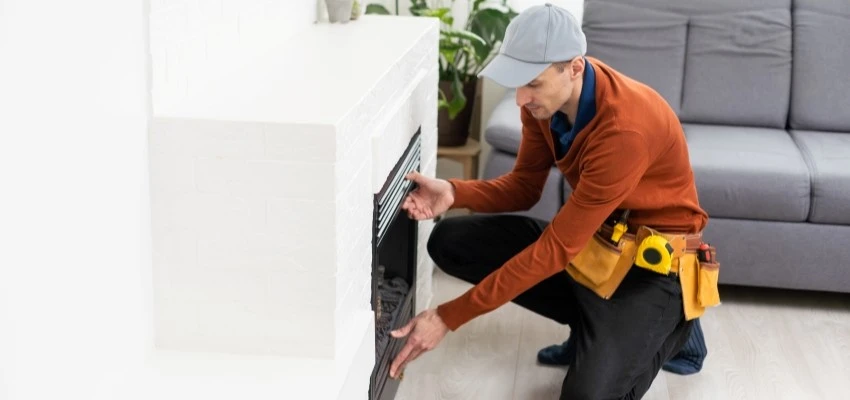
Calm, careful Fireplace Experts for Maple Ridge families
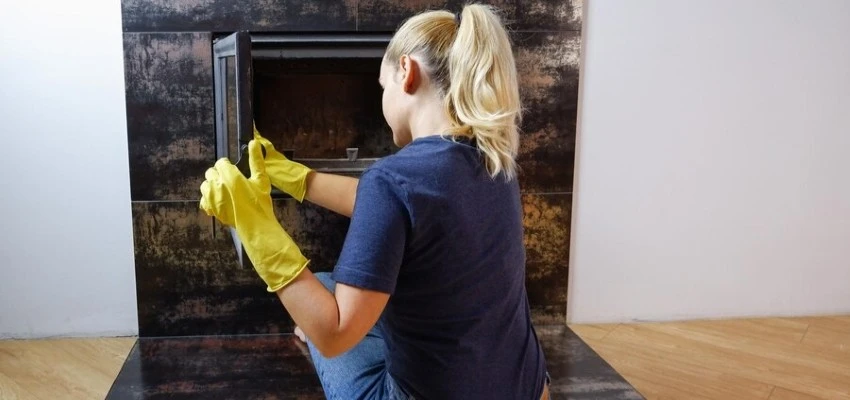
Glass film, cobwebs, dust: Gas Fireplace Cleaning across Maple Ridge
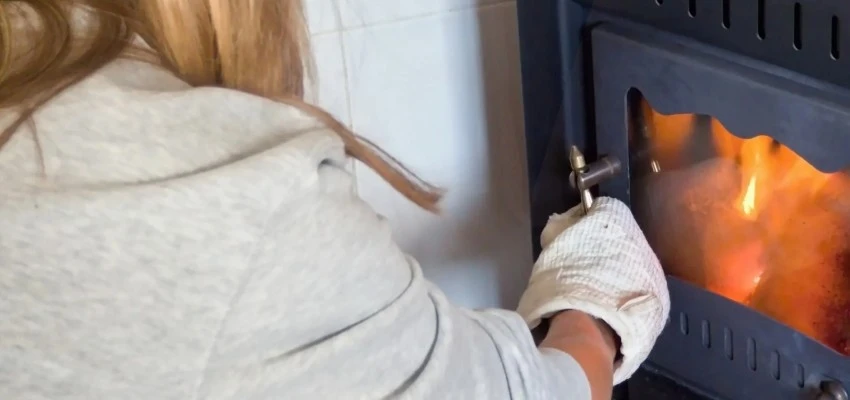
Gas Fireplace Maintenance: a checklist, not a quick wipe